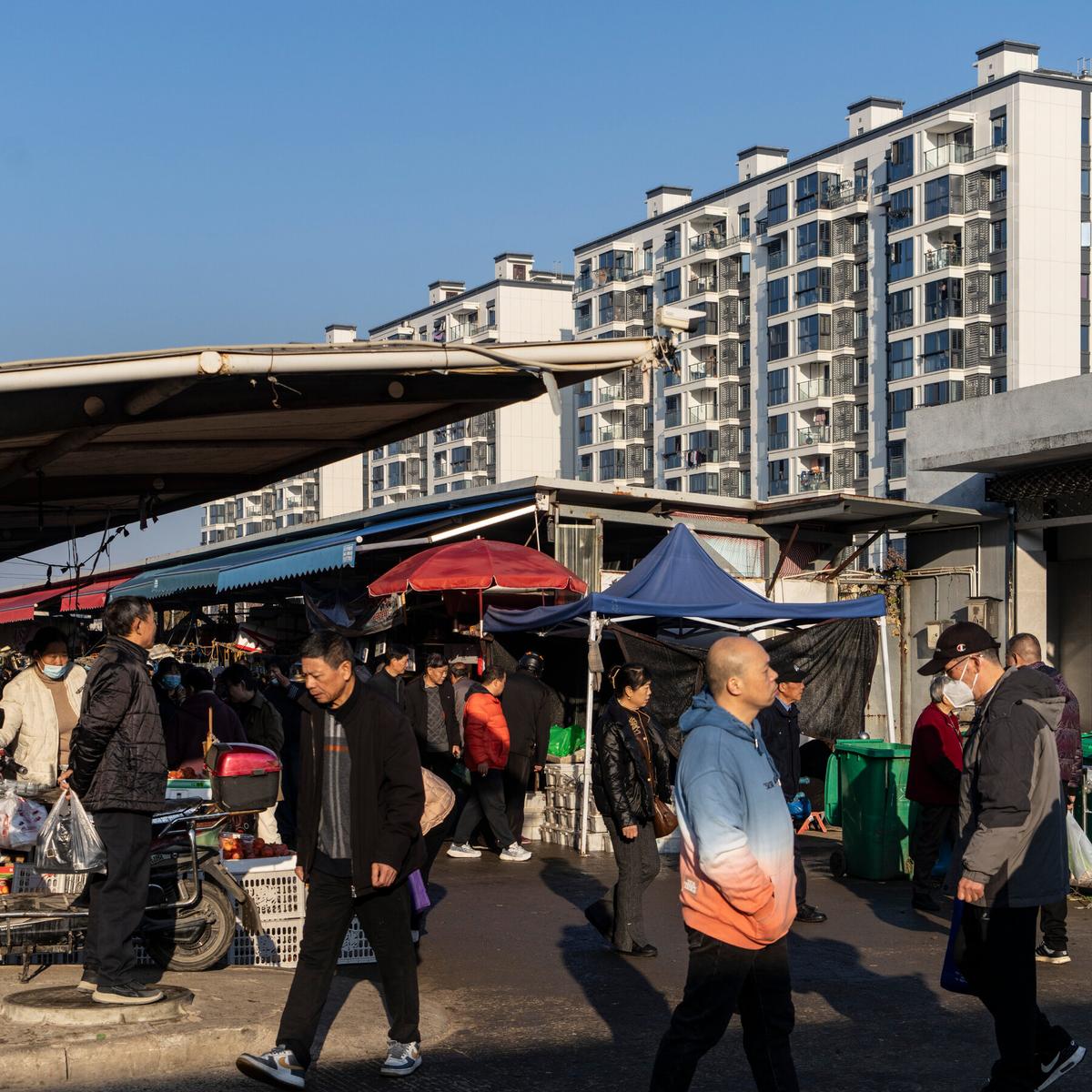
China’s Housing Slump Shows Signs of Bottoming Out. We’ve Been Here Before.
Companies Mentioned
Why It Matters
The housing sector is a cornerstone of Chinese household wealth and a key driver of global commodity demand; any shift in its trajectory reverberates through domestic consumption and international markets. A sustained bottom could stabilize consumer confidence, while a relapse would deepen economic headwinds both at home and abroad.
Key Takeaways
- •Shanghai home prices rose 2% YoY after years of decline
- •Tier‑1 city price gains follow a 38% drop since 2021
- •China still has 90 million vacant or unfinished apartments
- •Homeowners face up to 30% loss on cash‑bought units
- •Market outlook split: bottoming out or temporary pause
Pulse Analysis
The Chinese property market has long been a barometer for the nation’s economic health, with home ownership traditionally viewed as the primary vehicle for wealth accumulation. The lingering inventory of 90 million vacant or unfinished apartments reflects not only over‑building but also a deep‑seated confidence crisis among buyers, many of whom poured life‑savings into real estate during the boom years. This structural excess has amplified debt pressures on developers and constrained local government revenues that rely on land sales, creating a feedback loop that hampers broader growth.
Recent data from UBS and Centaline show a modest 2% price increase in Tier‑1 cities, led by Shanghai’s rebound. While the rise suggests that demand may be finding a floor, it remains fragile, hinging on policy support and consumer sentiment. The gains follow a steep 38% decline since 2021, and they are confined to high‑income urban centers, leaving smaller cities and rural markets still depressed. Analysts caution that without decisive stimulus—such as easing mortgage constraints or incentivizing new construction—the market could slip back into a deeper trough.
Globally, China’s housing slowdown ripples through commodity markets, especially steel and cement, and influences foreign investors’ exposure to Chinese equities. A genuine bottom could restore confidence, encouraging capital inflows and stabilizing supply chains tied to construction. Conversely, a renewed decline would likely depress global demand for raw materials and heighten risk aversion among investors. Policymakers thus face a delicate balancing act: stimulate enough to prevent a deflationary spiral while avoiding overheating that could reignite speculative excesses.
China’s Housing Slump Shows Signs of Bottoming Out. We’ve Been Here Before.
Comments
Want to join the conversation?
Loading comments...