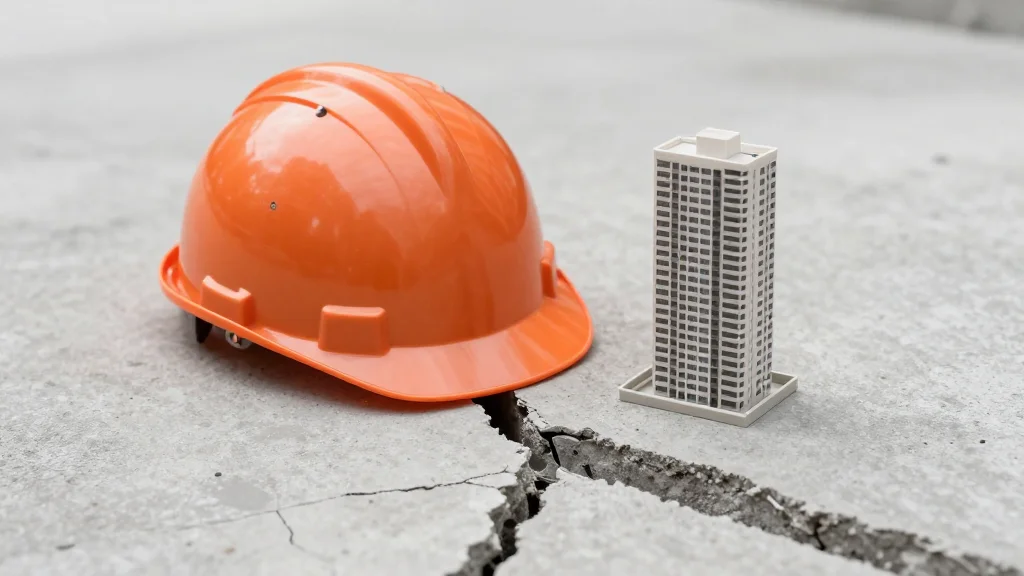
Chintels India Ordered to Pay $480K to Gurgaon Flat Buyer After Collapse

Why It Matters
The compensation order underscores a growing demand for accountability in India’s high‑growth real‑estate sector. By attaching a substantial monetary penalty to a safety breach, regulators are sending a clear message that construction shortcuts will have costly consequences. This shift could improve building standards, but it also raises financing costs for developers, which may be passed on to buyers in the form of higher prices or reduced supply. For homebuyers, the decision offers a rare example of redress after a catastrophic failure, potentially restoring some confidence in the market. However, the prospect of increased litigation risk may deter investment in new projects, especially in tier‑1 cities where land costs are already high. Policymakers will need to balance stricter enforcement with measures that keep housing affordable and construction activity robust.
Key Takeaways
- •HRA orders Rs 4 crore ($480,000) payout to a Gurgaon flat buyer
- •Compensation follows August 2025 collapse of Chintels Paradiso tower
- •Regulator cites loss of life and prolonged displacement as factors
- •Decision may trigger more buyer lawsuits and tighter developer risk management
- •Potential appeal by Chintels could delay payment, highlighting legal uncertainty
Pulse Analysis
The Chintels payout arrives at a moment when India’s housing market is at a crossroads. Over the past decade, rapid urbanization and easy credit fueled a construction boom, but quality control lagged behind. The Paradiso tragedy exposed systemic gaps in oversight, prompting the HRA to adopt a more punitive approach. Historically, compensation in similar cases hovered around 1‑2 crore; the jump to 4 crore marks a watershed that could recalibrate how developers price risk.
From a financial perspective, developers may now face higher insurance premiums and stricter escrow requirements, squeezing already thin margins. Smaller builders, in particular, could see project viability erode, potentially consolidating the market around larger, better‑capitalized firms that can absorb compliance costs. This consolidation could reduce competition, leading to higher home prices for end‑consumers.
Looking ahead, the real test will be whether the regulatory crackdown translates into measurable improvements in construction safety. If the HRA’s actions spur industry‑wide adoption of third‑party audits and stricter material standards, the long‑term benefit could be a more resilient housing sector. Conversely, if developers simply pass costs onto buyers without enhancing quality, the market could experience a slowdown in demand, especially among first‑time homebuyers sensitive to price hikes. Stakeholders will be watching the outcome of any appeal and subsequent policy reforms closely, as they will set the tone for India’s real‑estate trajectory over the next five years.
Chintels India Ordered to Pay $480K to Gurgaon Flat Buyer After Collapse
Comments
Want to join the conversation?
Loading comments...