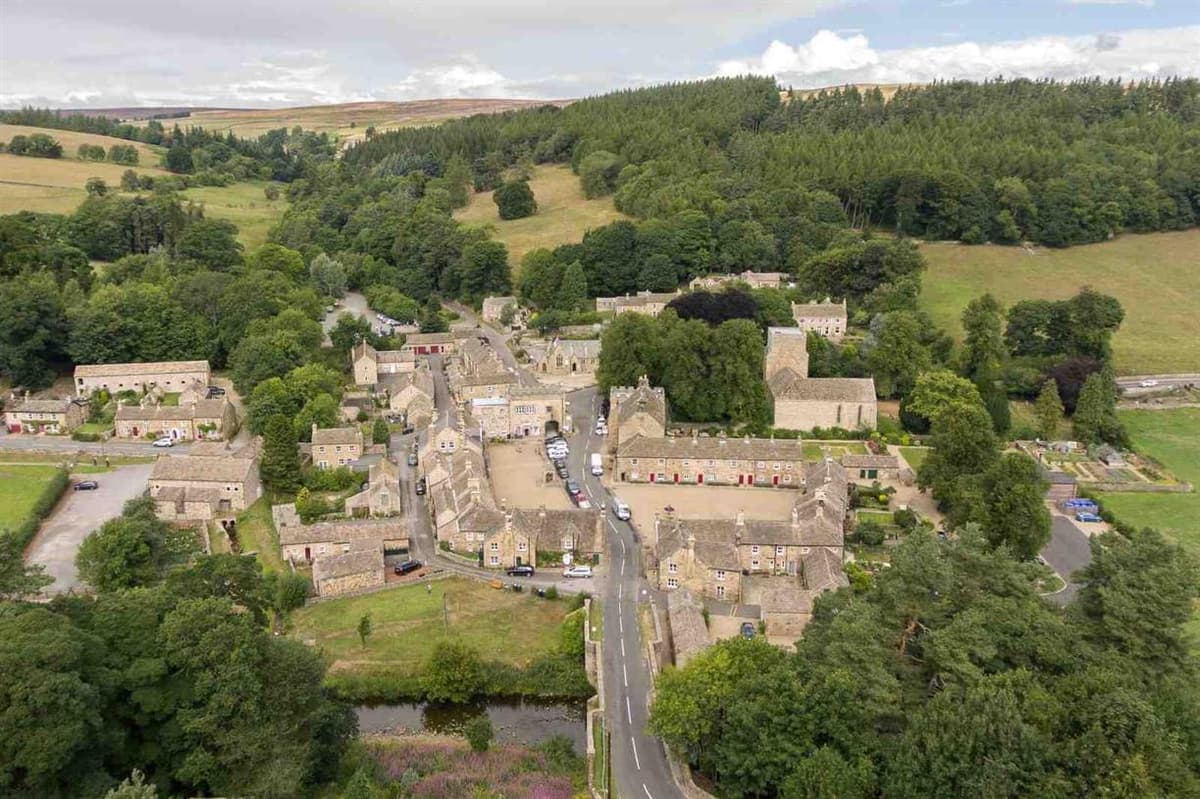
Christian Charity Looks to Sell 35 Residential Properties in Northumberland Village
Companies Mentioned
Why It Matters
The phased divestment aims to close a budget gap while preserving community stability, ensuring the charity can continue funding education and clergy support long‑term.
Key Takeaways
- •Lord Crewe’s Charity to sell 35 homes over ten years.
- •Charity posted £1.8 m income vs £2.3 m costs (≈$2.3 m vs $2.9 m).
- •Tenants receive first right to purchase under phased sale plan.
- •Grade II listed homes face costly energy‑performance upgrades.
- •Sale proceeds will fund education and clergy support missions.
Pulse Analysis
Lord Crewe’s Charity, founded in the early 18th century to support Church of England clergy and local education, now faces a structural deficit after recording roughly $2.3 million in income against $2.9 million in expenses for the 2024 fiscal year. The shortfall reflects rising maintenance costs for its historic portfolio, especially as energy‑performance standards tighten for older, Grade II‑listed homes. By converting 35 residential assets to cash over a ten‑year horizon, the trustees hope to create a more predictable revenue stream without compromising the charity’s core mission.
The sale strategy is deliberately tenant‑centric. Existing renters are being offered a right of first refusal, and the charity’s agent, Savills, is conducting individual meetings to address concerns, particularly among elderly occupants. This approach mitigates the risk of sudden displacement in a tightly knit village and aligns with broader UK policy encouraging owner‑occupancy to sustain rural communities. However, the listed status of the properties imposes constraints: any new owner must adhere to strict conservation guidelines and invest in costly upgrades to meet higher energy‑efficiency ratings, a factor that could limit the pool of prospective buyers.
Across the charitable sector, monetising non‑core assets has become a pragmatic response to funding volatility, especially as public donations plateau and operational costs rise. Lord Crewe’s phased divestment illustrates how legacy institutions can balance fiscal responsibility with community stewardship. If executed thoughtfully, the proceeds will reinforce the charity’s educational grants and clergy support programs, while the staggered sales may preserve the village’s character by encouraging a diversified mix of owners rather than a single large landlord.
Christian charity looks to sell 35 residential properties in Northumberland village
Comments
Want to join the conversation?
Loading comments...