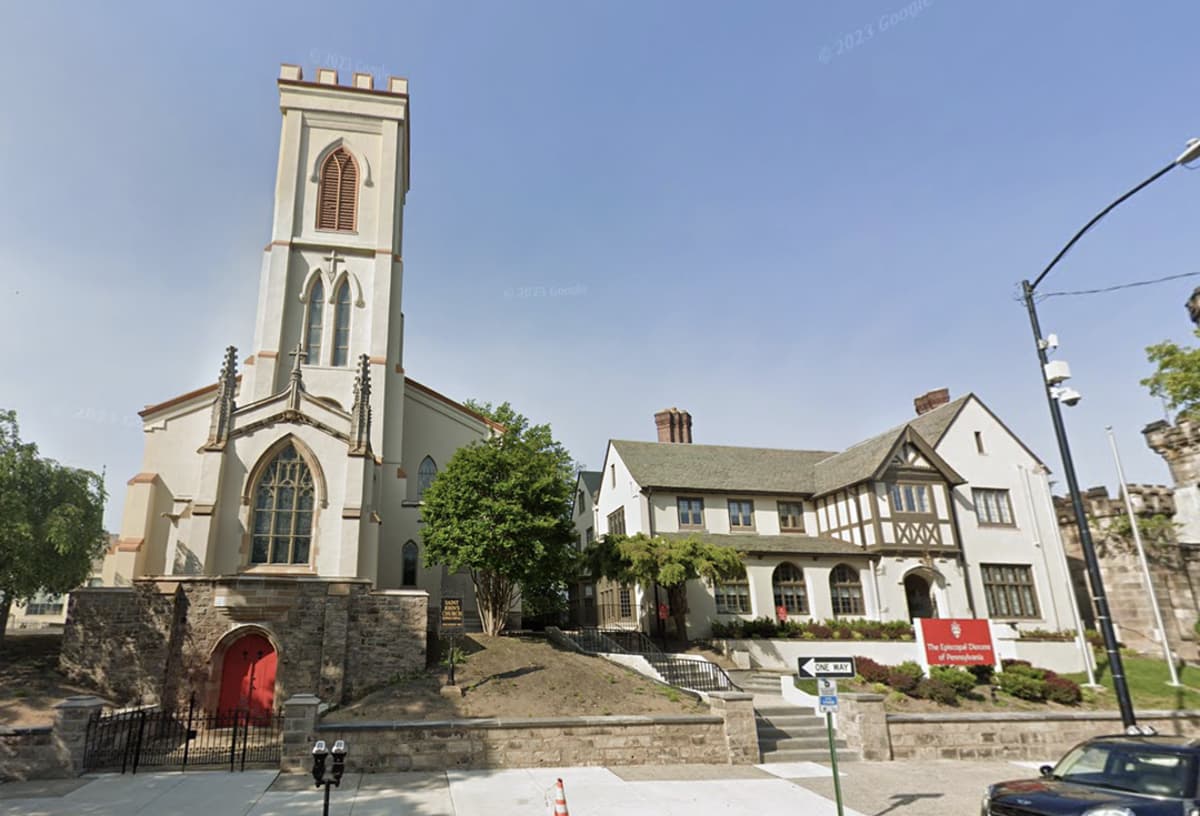
Church Conversion Plan Could Add Over 1,000 Housing Units Across Greater Philly
•March 10, 2026
0
Why It Matters
The project adds significant housing inventory to a tight market and demonstrates a scalable model for faith‑based asset monetization, influencing both real‑estate and nonprofit sectors.
Key Takeaways
- •Diocese converting 26 churches into 1,000+ apartments
- •Michaels Organization acting as fee developer and manager
- •Mix includes market-rate and affordable units
- •Diocese retains land ownership, receives development fees
- •Reflects broader trend of churches repurposing underused space
Pulse Analysis
Across the United States, declining religious participation has left many congregations with oversized, costly properties. Real‑estate developers see these structures as untapped assets, especially in dense urban corridors where land scarcity drives up values. By converting churches into residential units, owners can unlock equity while addressing housing shortages, a synergy that aligns financial sustainability with community needs.
In Philadelphia, the Episcopal Diocese’s partnership with The Michaels Organization creates a clear blueprint for such conversions. The diocese will keep title to the land, allowing it to collect developer fees and future management fees once Michaels operates the buildings. This fee‑based model reduces upfront capital risk for the diocese while ensuring professional oversight of the properties. The mixed‑income approach—combining market‑rate and affordable units—targets a broad tenant base, directly contributing to the city’s affordable‑housing goals and potentially easing pressure on local zoning constraints.
However, adapting historic church interiors poses design and regulatory challenges. Irregular floor plates, stained‑glass windows, and preservation statutes often require creative architectural solutions and longer approval timelines. Successful projects, like Boston’s Blessed Sacrament conversion, illustrate how multipurpose spaces can preserve cultural heritage while delivering modern living. As more dioceses and municipalities explore similar strategies, the sector may see standardized best‑practice guidelines, fostering faster approvals and encouraging investment in adaptive reuse across the country.
Church Conversion Plan Could Add Over 1,000 Housing Units Across Greater Philly
0
Comments
Want to join the conversation?
Loading comments...