Closing the Housing Gap in The Phillipines
Why It Matters
Closing the housing gap will unlock a three‑to‑one economic multiplier and reduce chronic commuting burdens, directly influencing the Philippines’ growth trajectory and social stability.
Key Takeaways
- •Housing deficit 10 million units for 26 million households.
- •Annual production ~130k units vs 478k new households.
- •4PH target raised to 1.1 million units, up from 800k.
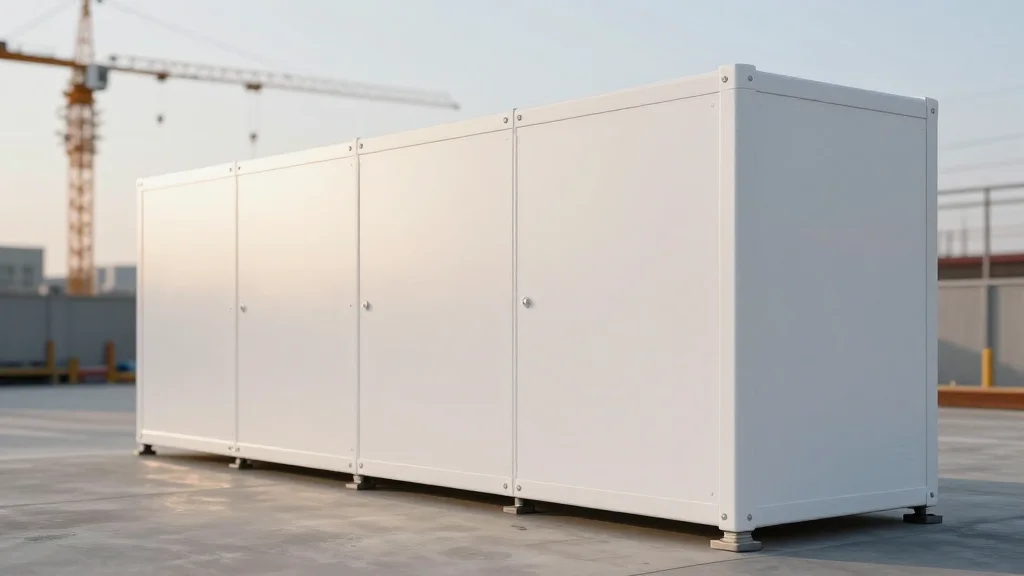
- •Modular builders cut construction time 30‑50 percent.
- •Red‑tape adds 78 permits, delaying projects 2.5‑5 years.
Pulse Analysis
The Philippines’ housing shortfall is more than a social issue; it is an economic drag. With roughly 478,000 new households forming each year, the nation’s construction sector delivers only about 130,000 units, creating a cumulative deficit that now exceeds 10 million homes. Economists like Winston Conrad Padojinog note that every peso invested in housing generates over three pesos in broader activity, underscoring the sector’s potential as a growth engine. The urgency is amplified by long commutes—often two to three hours—to Metro Manila, which erode productivity and quality of life.
Policy responses center on the Expanded 4PH (Pambansang Pabahay Para sa Pilipino) program, which has lifted its delivery goal to 1.1 million units for the current administration. Pag‑IBIG’s ₱250 billion (≈US$4.15 billion) loan allocation signals ample capital, yet developers cite procedural bottlenecks: up to 78 permits from 27 agencies can stall projects for 2.5‑5 years. Streamlining efforts by the Department of Human Settlements, the Anti‑Red Tape Authority, and tax‑incentive reforms aim to cut these delays, but coordination remains the missing link. Private innovators are filling gaps with rent‑to‑own schemes, coliving concepts, and modular factories that shave 30‑50 percent off build times, though financing for modular units is still limited.
Emerging models also address location and resilience. Companies like Lhoopa use AI to match low‑income earners—earning as little as ₱20,000 (≈US$333) monthly—with affordable homes, while Aboitiz Economic Estates ties housing to industrial job hubs. Climate risk, highlighted by the World Bank’s Angelo Tan, adds another layer: without resilient design and insurance pricing, large‑scale construction could become a disaster waiting to happen. The consensus at the ULI symposium is clear: the Philippines has capital and talent, but only a coordinated, climate‑smart strategy will translate those assets into the millions of homes needed for sustainable growth.
Closing the Housing Gap in The Phillipines
Comments
Want to join the conversation?
Loading comments...