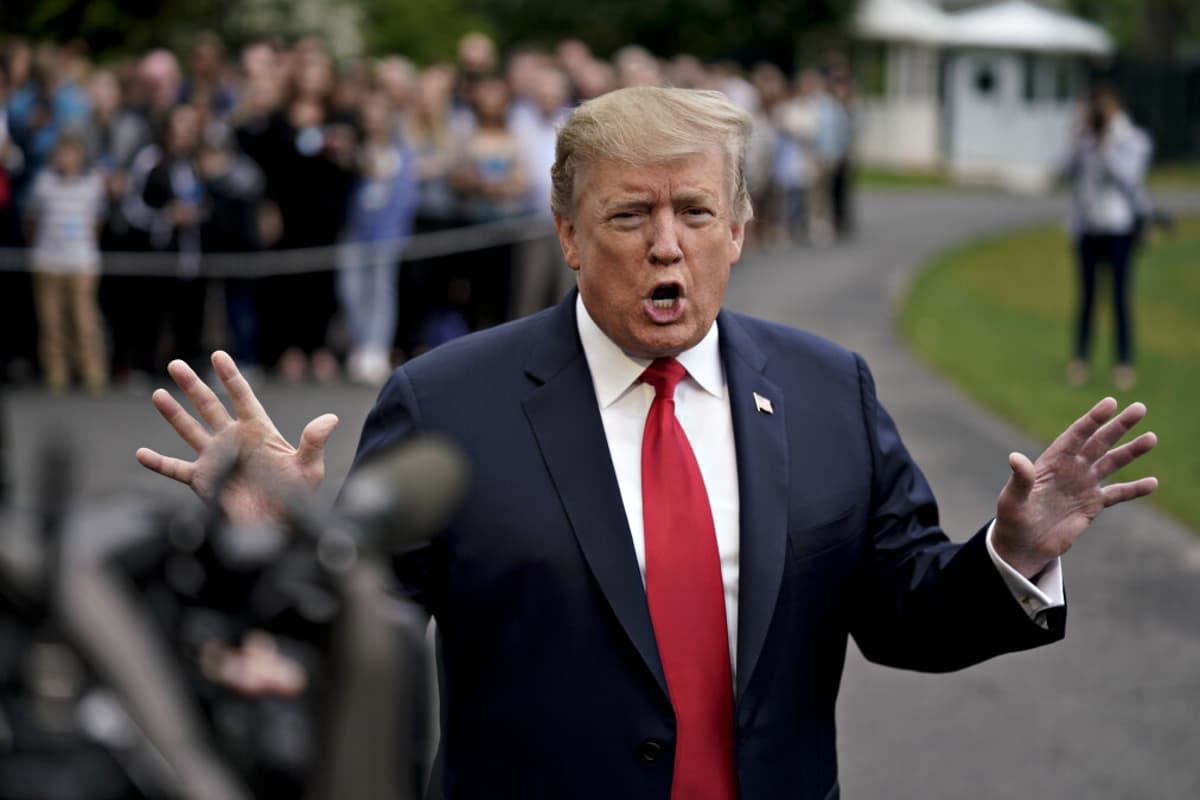
Congress Passes Major Housing Bill, but Trump Won't Sign
Why It Matters
The delay threatens to stall a multi‑billion‑dollar pipeline of affordable‑housing financing and ties critical housing reform to a separate election‑integrity agenda. This linkage could reshape legislative priorities and affect the timing of much‑needed housing investment.
Key Takeaways
- •Trump postponed signing ROAD Act pending SAVE AMERICA ACT.
- •ROAD bill limits institutional investors, adds $1M penalties.
- •LIHTC expansion and 20% PWI cap boost affordable housing.
- •Public‑welfare investment cap rose from 15% to 20%.
- •Delay could stall $30B+ housing financing pipeline.
Pulse Analysis
The abrupt cancellation of the housing news conference underscores how President Trump is leveraging a separate election‑integrity proposal, the SAVE AMERICA ACT, to extract concessions from Congress. By conditioning the signing of the 21st Century ROAD to Housing Act on the passage of the SAVE bill, the administration is intertwining two policy arenas that traditionally operate independently. This tactic not only heightens political pressure on legislators but also signals a broader strategy of using high‑profile legislation as bargaining chips in the current partisan climate.
At its core, the ROAD Act seeks to reshape the financing landscape for affordable housing. By prohibiting large institutional investors from acquiring single‑family homes and imposing steep civil penalties, the bill aims to preserve homeownership opportunities for individuals and curb speculative buying. Simultaneously, the expansion of Low‑Income Housing Tax Credits—bolstered by the One Big Beautiful Bill Act—and the increase of the public‑welfare investment (PWI) cap from 15% to 20% are designed to attract private capital into community‑development projects. Historical data shows that raising the PWI cap in 2006 spurred bank investments from $3.1 billion to $27.9 billion by 2024, suggesting a similar surge could follow the new limit.
For developers, banks, and local governments, the legislation promises a more robust pipeline of financing for affordable‑housing construction and renovation. However, the postponement of the signing injects uncertainty into projects that rely on the expanded tax credits and higher PWI limits. If the SAVE AMERICA ACT stalls, the anticipated influx of billions in private investment could be delayed, potentially slowing the delivery of new affordable units at a time when housing shortages remain acute. Industry observers are watching closely, weighing the risk of policy gridlock against the long‑term benefits of a more inclusive, well‑funded housing ecosystem.
Congress passes major housing bill, but Trump won't sign
Comments
Want to join the conversation?
Loading comments...