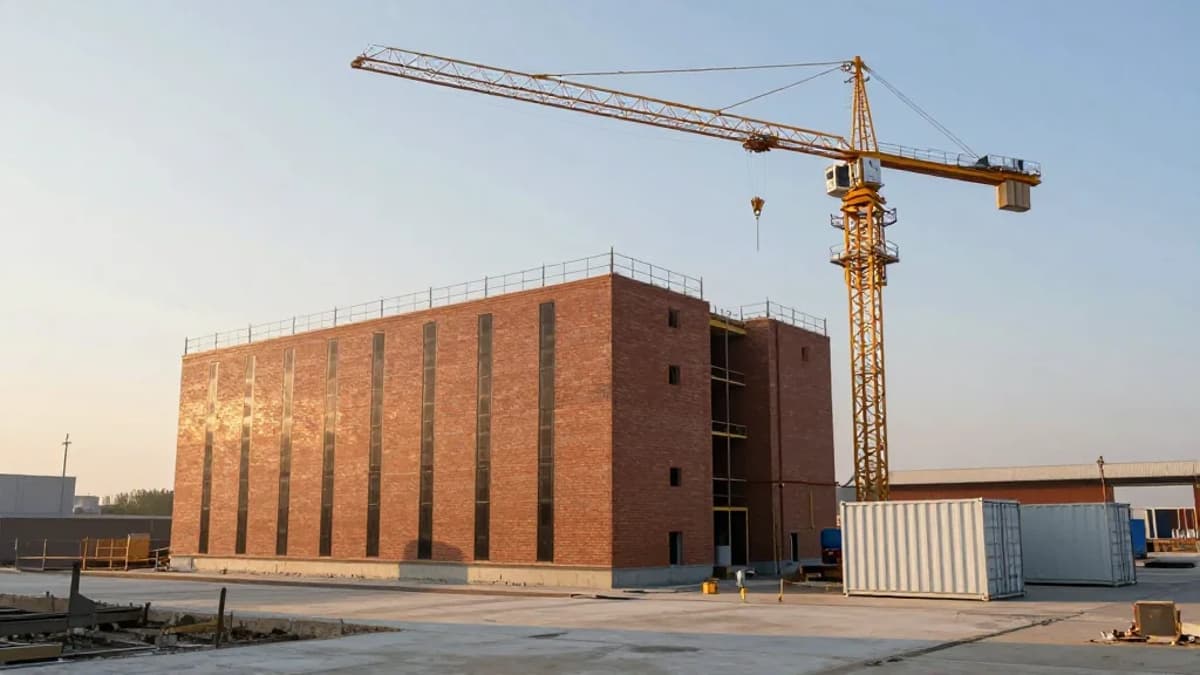
Construction In Top Data Center Markets Slows For First Time In Years
•February 26, 2026
0
Why It Matters
The slowdown deepens the supply‑demand gap, driving rent growth that outpaces inflation and reshaping investment strategies across core and emerging data‑center markets.
Key Takeaways
- •Construction fell to 5,994 MW, down from 6,350 MW.
- •Vacancy hits 1.4% across primary data‑center hubs.
- •Rent for 3‑10 MW units rose 12.5% YoY.
- •64% of new capacity now in frontier markets.
- •Financing hurdles delay projects without pre‑leased tenants.
Pulse Analysis
The recent dip in data‑center construction reflects a confluence of regulatory and operational bottlenecks. Permitting delays, complex zoning rules, and the difficulty of securing reliable power have slowed project timelines in traditional hubs such as Northern Virginia and Silicon Valley. At the same time, investors are demanding tenant commitments before funding early‑stage builds, a shift that curtails speculative development. This environment intensifies the existing supply shortage, where vacancy sits at a record‑low 1.4%, and amplifies the pressure on providers to meet AI‑driven compute demand.
Rising construction costs are feeding directly into higher lease rates. Between 2024 and 2025, rents for mid‑size 3‑10 MW facilities rose 12.5%, and analysts expect rent growth to outstrip inflation for the next several years. The cost surge stems from higher power generation expenses, land acquisition premiums, and labor shortages. As core markets become increasingly expensive, developers are redirecting capital toward frontier locations, which now host 64% of under‑construction capacity. This geographic shift introduces new pricing dynamics, offering lower entry costs but also requiring investors to assess infrastructure readiness and long‑term demand.
Looking ahead, the sector may see a plateau in overall construction spend, with forecasts indicating a gradual decline after this year’s $86 billion peak. Developers that can navigate permitting hurdles, secure power contracts early, and lock in anchor tenants will retain a competitive edge. Meanwhile, lenders are tightening credit for uncommitted projects, prompting a greater reliance on pre‑lease structures. For enterprises seeking data‑center space, the evolving landscape presents both challenges—higher rents and limited core‑market inventory—and opportunities, particularly in emerging markets where supply is expanding and pricing remains more attractive.
Construction In Top Data Center Markets Slows For First Time In Years
0
Comments
Want to join the conversation?
Loading comments...