Why It Matters
The Fulton adds premium, mixed‑use office capacity in a high‑growth Chicago submarket, reinforcing the city’s pull for corporate headquarters and upscale retail.
Key Takeaways
- •535,000 sq ft, 11‑story office tower completed
- •Coca‑Cola secures Midwestern HQ in the building
- •Glass atrium connects to renovated Schwinn factory office space
- •Ground‑floor retail includes Gibson’s Steakhouse, Equinox, 65,000 sq ft
- •80 underground parking spaces support tenant accessibility
Pulse Analysis
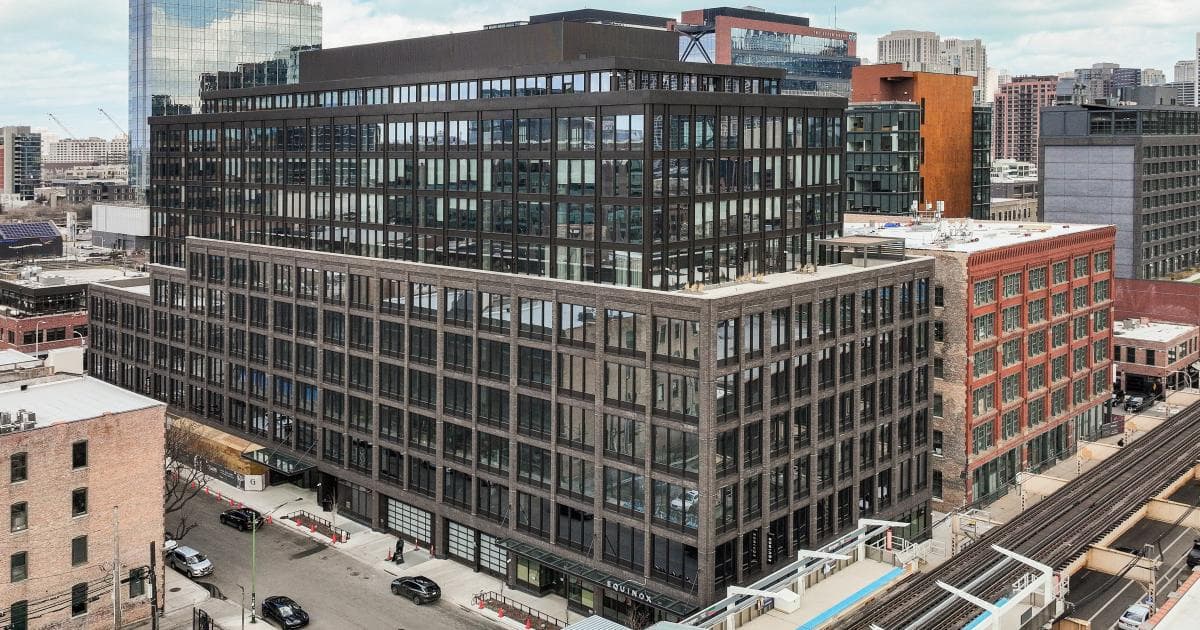
The Fulton marks the latest high‑profile addition to Chicago’s Fulton Market, a district that has transformed from industrial warehouses to a hub for tech, finance and creative firms. The 11‑story, 535,000‑square‑foot tower, designed by FitzGerald Associates and Morris Adjmi Architects, marries a historic brick‑and‑timber façade with modern glass curtain walls, floor‑to‑ceiling windows, and a series of outdoor terraces. A full‑depth basement provides 80 parking stalls, while a glass atrium seamlessly links the new tower to the renovated Schwinn Bicycle factory, preserving the neighborhood’s heritage while delivering contemporary office space.
Early leasing activity underscores strong demand for premium office inventory in the Midwest. The Coca‑Cola Company has chosen The Fulton for its Midwestern headquarters, joining asset managers Harrison Street, BlackEdge Capital and Permanent Capital, which together bring a diversified tenant base of corporate, investment and professional services firms. Ground‑floor retail is anchored by Gibson’s Steakhouse and Equinox Fitness, occupying roughly 65,000 sq ft and adding lifestyle amenities that cater to both employees and the surrounding community. This blend of office, dining and fitness creates a self‑contained ecosystem that enhances employee retention and attracts talent.
The Fulton’s completion arrives at a time when Chicago’s office market is rebounding from pandemic‑induced vacancy pressures, driven by a resurgence in in‑person collaboration and a preference for mixed‑use environments. Adaptive reuse projects like the Schwinn factory conversion illustrate a broader industry trend of preserving historic structures while meeting modern spatial requirements, a strategy that can reduce construction costs and accelerate permitting. As firms continue to prioritize locations that offer both prestige and convenience, developments that integrate office, retail and amenity space—such as The Fulton—are likely to set the benchmark for future urban office projects.
Construction is complete on The Fulton
Comments
Want to join the conversation?
Loading comments...