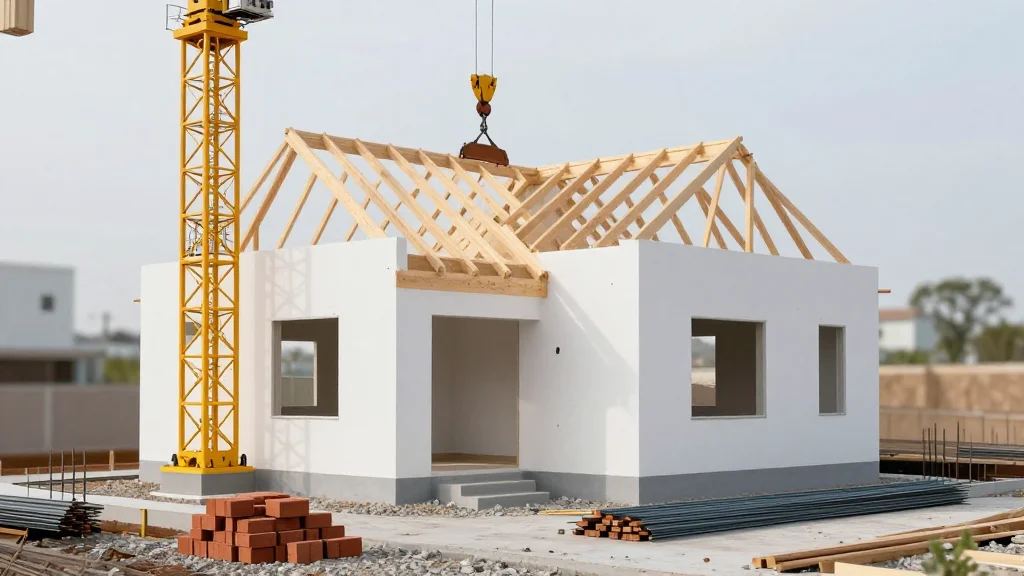
Construction on New Homes Jumps to a 15-Month High, but the Real-Estate S...
Companies Mentioned
Why It Matters
The brief construction uptick masks deeper weakness; sustained high rates and excess inventory could keep the housing market—and broader economic momentum—under pressure through the year.
Key Takeaways
- •Housing starts rose 11% to 1.5 million units in March.
- •New home permits fell to a 13.7 million annual rate.
- •Builder confidence hits post‑pandemic low amid high mortgage rates.
- •Unsold new homes hit a 17‑year high, tightening inventory.
- •Mortgage rates remain above 6%, dampening buyer demand.
Pulse Analysis
The March jump in housing starts reflects a seasonal rebound as milder temperatures thawed frozen ground across the country. While the 11% increase to an annualized 1.5 million units marks the strongest pace in over a year, the underlying drivers are largely weather‑related rather than a fundamental shift in demand. Builders typically accelerate projects when conditions permit, but the surge is unlikely to persist without supportive financing conditions and stronger buyer interest.
Compounding the temporary construction lift, builder sentiment has slipped to near‑pandemic lows. Permits for new homes declined to a 13.7 million annual rate, and the number of homes under construction sits at a 5½‑year trough. High mortgage rates—still above 6% for a 30‑year fixed loan—have cooled buyer enthusiasm, while a growing backlog of completed but unsold homes reached a 17‑year high. These dynamics signal that inventory pressures and financing costs remain the dominant headwinds for the sector.
Looking ahead, the spring buying season could provide modest relief if mortgage rates ease further and consumer confidence rebounds. However, lingering macro‑economic uncertainties, such as elevated inflation, oil price volatility after the Iran conflict, and potential policy shifts, may keep rates elevated. For the broader economy, a sluggish housing market limits residential spending and construction‑related job growth, reinforcing the importance of monitoring rate trends and inventory levels as key indicators of economic health.
Construction on new homes jumps to a 15-month high, but the real-estate s...
Comments
Want to join the conversation?
Loading comments...