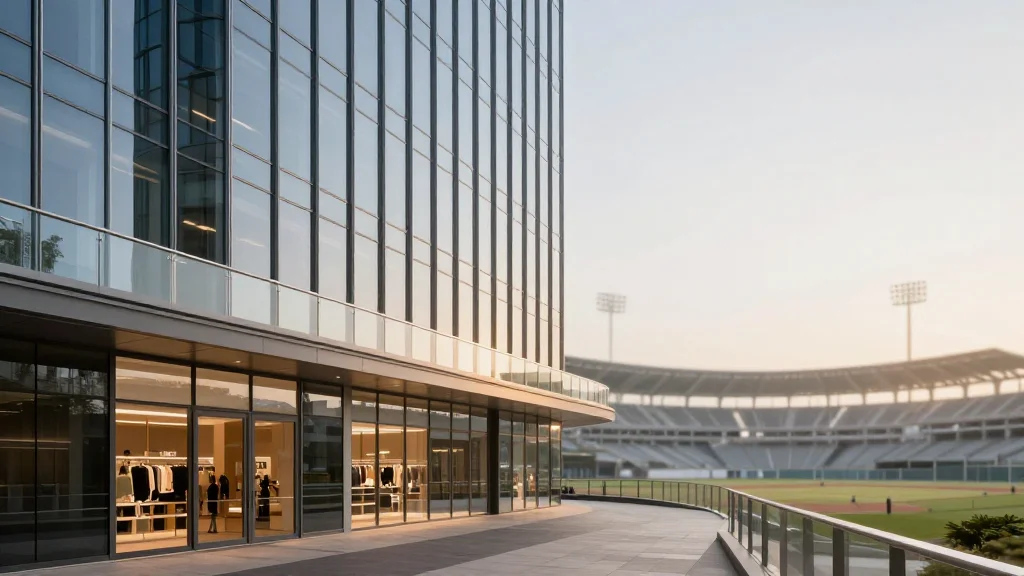
Developers Want To Copy The Battery Atlanta Success Story. Experts Say It's Not As Easy As It Looks
Companies Mentioned
Why It Matters
Battery Atlanta proves that well‑executed mixed‑use stadium districts can generate significant non‑ticket revenue, reshaping how teams finance facilities. Understanding its prerequisites helps owners and municipalities evaluate the true feasibility of similar developments.
Key Takeaways
- •Battery Atlanta generated $97 M revenue, up $30 M YoY
- •Experts warn replicating Battery model requires strong government incentives
- •Avalon mixed‑use project shows success possible without a stadium
- •Colleges eye mixed‑use stadiums to offset NIL compensation costs
Pulse Analysis
The Battery Atlanta at Truist Park has become a benchmark for sports‑driven mixed‑use development, delivering $97 million in revenue last year—its highest ever. The complex blends retail, dining, office space, and entertainment, creating a year‑round destination that cushions the team’s financials against fluctuating ticket sales. By capturing $27 million in new rental income, the Braves illustrate how strategic tenant curation and fan‑centric experiences can turn a stadium precinct into a profit center, a lesson that resonates across the industry.
Yet the Battery’s blueprint is not a one‑size‑fits‑all solution. Panelists at Bisnow’s stadium development conference emphasized that government backing, from tax incentives to infrastructure funding, is often the linchpin of such projects. Avalon, a luxury mixed‑use hub north of Atlanta, achieved $3 billion in retail sales and 4,000 jobs without a stadium, underscoring that market demand and local policy can drive success even in the absence of a sports anchor. Teams in Detroit, Kansas City and Washington are pursuing billion‑dollar stadium districts, but they must first assess whether their municipalities are prepared to shoulder the fiscal risk.
The trend is extending beyond professional franchises. Universities, pressured by the 2021 NIL rules that divert 22 % of athletic revenue to player compensation, are exploring stadium‑adjacent mixed‑use projects to generate new income streams. Wake Forest’s $150 million, 100‑acre plan exemplifies this shift, aiming to blend fan experiences with broader community use. As more entities chase the Battery’s playbook, the industry will likely see a wave of tailored, data‑driven developments that balance private investment with public support, redefining the economics of sports venues for the next decade.
Developers Want To Copy The Battery Atlanta Success Story. Experts Say It's Not As Easy As It Looks
Comments
Want to join the conversation?
Loading comments...