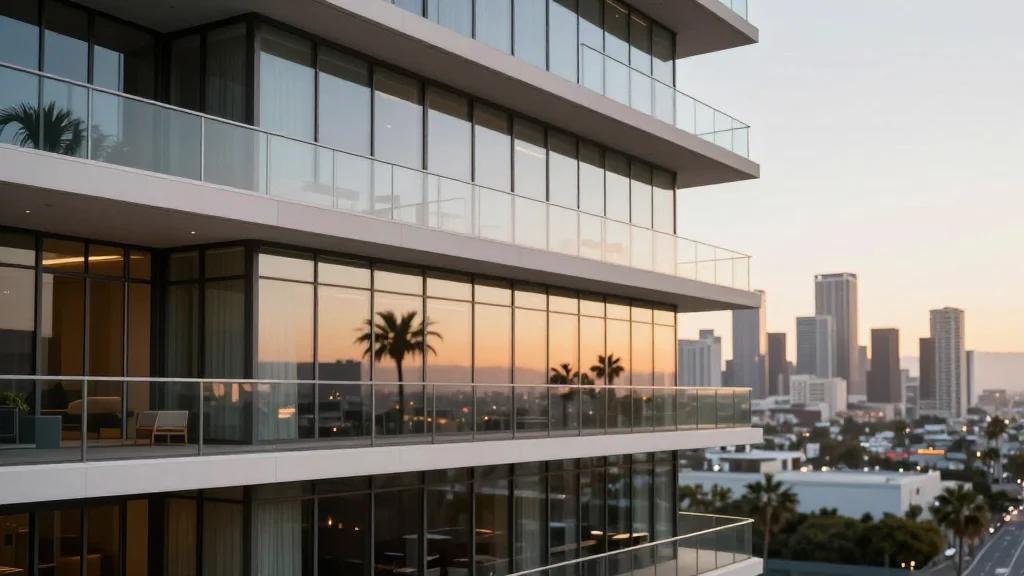
Di Nalli Construction Pushes Bespoke Luxury Housing in Los Angeles

Why It Matters
The shift toward fully integrated, bespoke construction signals a broader transformation in the high‑end real estate sector. As affluent buyers prioritize individuality and durability over sheer square footage, developers that can internalize design, engineering and finishing processes stand to capture higher margins and build stronger brand equity. Di Nalli’s model also raises questions about scalability; if the approach proves profitable, it may inspire a new class of boutique builders capable of competing with traditional volume developers in premium markets. For Los Angeles, a city already grappling with housing shortages and rising construction costs, the emphasis on quality over quantity could influence zoning debates and incentive structures. Policymakers may consider rewarding projects that demonstrate long‑term value and craftsmanship, potentially reshaping how luxury housing is approved and financed.
Key Takeaways
- •Di Nalli Construction has over 220 luxury apartment units across five active Los Angeles projects
- •Founder Farbod Phil Rezvani serves as architect, contractor, broker and construction manager for each development
- •Each home receives a custom bronze plaque to signal brand accountability
- •Custom fabrication includes eight‑foot solid‑core doors and hand‑drawn cabinet hardware
- •Next milestone: a 60‑unit multifamily project in Westwood slated for early 2027
Pulse Analysis
Di Nalli’s integrated model is a strategic response to a market that increasingly values personalization. By collapsing the traditional supply chain—architect, interior designer, contractor—into a single entity, the firm reduces coordination costs and protects design intent, a competitive advantage that is difficult for larger, siloed developers to replicate quickly. This vertical integration also mitigates risk; with direct oversight of permitting and structural execution, Di Nalli can better manage timelines and cost overruns, a critical factor in a city where labor and material prices have surged 12% year‑over‑year.
Historically, luxury development in Los Angeles has been dominated by developers who rely on external design firms and generic finish packages to achieve economies of scale. Rezvani’s background in construction defect litigation gives him a unique lens on durability, allowing Di Nalli to market its homes as long‑term investments rather than short‑term status symbols. This narrative aligns with a growing cohort of high‑net‑worth buyers who view real estate as a legacy asset, not merely a consumption good.
Looking forward, the scalability of Di Nalli’s approach will be the litmus test. While bespoke construction commands higher per‑unit margins, it also limits the number of units a firm can deliver within a given timeframe. If the Westwood project meets its timeline and pricing targets, it could validate a hybrid model where boutique quality coexists with modest volume, prompting larger developers to adopt similar internal design‑build teams. Conversely, any delays or cost escalations could reinforce the perception that bespoke luxury remains a niche, reserved for developers with deep capital reserves and strong brand cachet.
Di Nalli Construction Pushes Bespoke Luxury Housing in Los Angeles
Comments
Want to join the conversation?
Loading comments...