Does Upzoning Work? This New Study Says Yes—Under the Right Conditions
Companies Mentioned
Why It Matters
The findings clarify when zoning reforms translate into real housing output, guiding cities that are betting on upzoning to alleviate affordability pressures. Policymakers can now target reforms to high‑demand areas and pair them with financing or infrastructure incentives for greater impact.
Key Takeaways
- •NYC upzoning added ~4,100 units across seven neighborhoods (2016‑2021).
- •Gowanus delivered ~15 units per parcel, far exceeding city average.
- •Philadelphia’s 2012 overhaul yielded 0.17 extra units per block face annually.
- •Jerome Avenue rezoning showed no significant housing gain, highlighting demand importance.
- •Upzoning boosts supply but does not automatically lower rents or improve affordability.
Pulse Analysis
Housing affordability remains a top concern for U.S. metros, and upzoning has emerged as a flagship tool to unlock new units. By relaxing height, density, or use restrictions, cities hope to stimulate private development without direct subsidies. The approach gained traction after the 1960s zoning clampdown that coincided with a steep drop in new construction, leaving New York with an estimated 560,000‑unit shortfall and a vacancy rate near 1.4%. Upzoning promises to reverse that trend, but its effectiveness depends on market fundamentals and the broader policy environment.
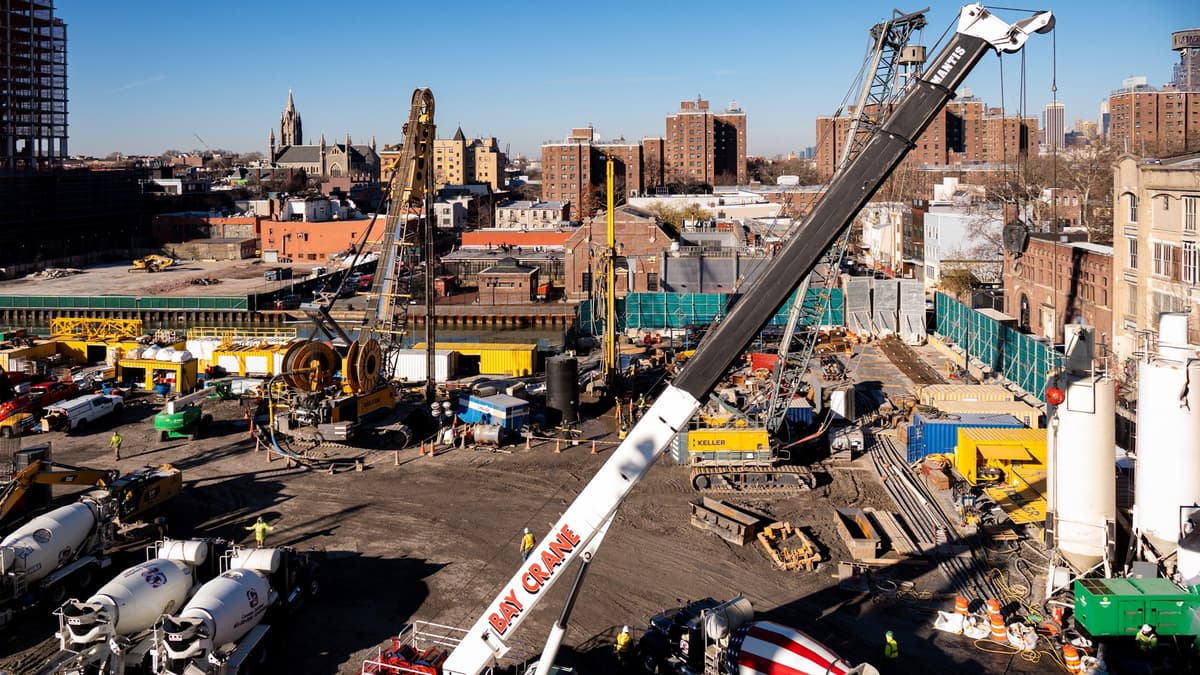
The Urban Institute’s latest analysis provides the most granular evidence to date. In New York, seven neighborhood‑scale rezoning efforts between 2016 and 2021 produced about 4,100 additional homes, a figure driven largely by Gowanus, where developers added roughly 15 units per upzoned parcel—a stark contrast to the citywide average of just over one unit. Philadelphia’s 2012 overhaul, while not spurring more project proposals, increased unit density by 0.17 units per block face each year, ultimately adding close to 4,000 permits. By contrast, the Bronx’s Jerome Avenue rezoning yielded no statistically significant supply boost, illustrating that without strong rent growth or investor confidence, zoning flexibility alone cannot generate construction.
For municipalities racing to adopt upzoning, the report delivers both encouragement and caution. The policy can deliver tangible supply gains when paired with robust demand, existing infrastructure, and supportive financing mechanisms. However, the absence of automatic rent reductions in Gowanus—where median asking rents sit around $4,845 versus the city’s $3,585—highlights that supply growth does not instantly translate into affordability. Cities should therefore view upzoning as one component of a broader housing strategy that includes subsidies, streamlined permitting, and targeted investments in transit and utilities to ensure new units reach the households that need them most.
Does Upzoning Work? This New Study Says Yes—Under the Right Conditions
Comments
Want to join the conversation?
Loading comments...