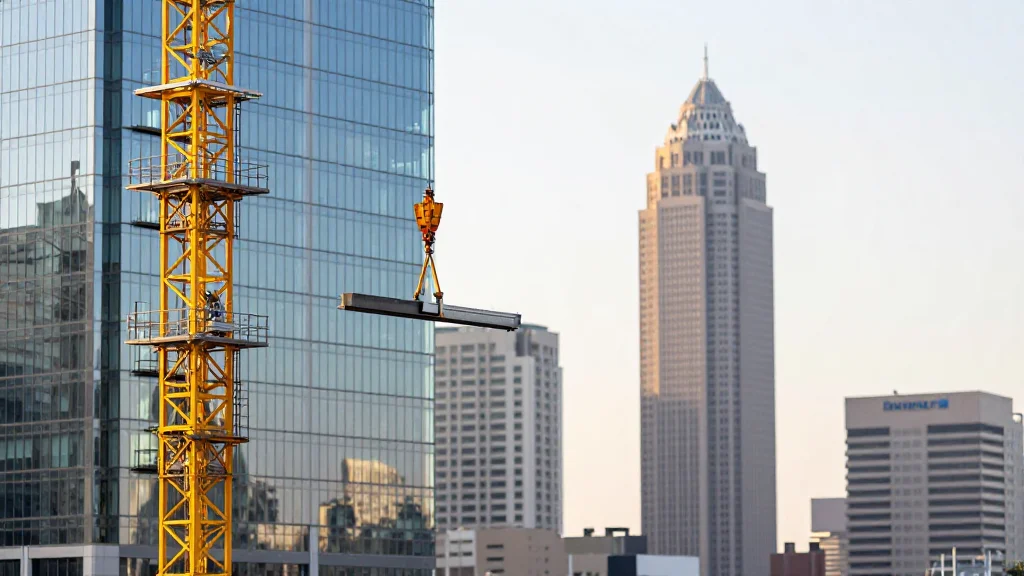
Downtown Atlanta Is Poised For Revival. Businesses Are Still Leaving
Companies Mentioned
Why It Matters
The contrast between massive capital inflows and ongoing office vacancies underscores a pivotal inflection point for Atlanta’s commercial real estate, influencing investor risk assessments and municipal planning. Revitalizing downtown could reshape the city’s economic geography and attract a new wave of growth‑oriented businesses.
Key Takeaways
- •Centennial Yards Phase 1 targets completion Q3 2027 with mixed‑use amenities.
- •Downtown office vacancy net 2 M SF since 2020, Midtown gains 315 K SF.
- •Legacy firms like EY and Ogletree leave for Midtown or other districts.
- •New housing shortage cited as primary barrier to office recovery.
- •Developers invest $5 B+ but tenant turnover may take 5‑10 years.
Pulse Analysis
Atlanta’s downtown renaissance is anchored by heavyweight developers pouring over $5 billion into mixed‑use projects. CIM Group’s Centennial Yards will eventually host 2,000 apartments, 1.5 million sq ft of office, a 5,300‑seat concert venue and a hotel, while CP Group’s rebranded CNN Center food hall aims to capture World Cup foot traffic. These initiatives signal confidence that a vibrant, entertainment‑driven core can attract both residents and visitors, positioning the district as a cultural hub comparable to other revitalized city centers.
Yet the office market tells a different story. Since the pandemic, downtown has shed roughly 2 million sq ft of office space, a loss offset by Midtown’s 315,000 sq ft gain. Legacy tenants such as EY, Ogletree Deakins and CallRail have migrated to newer submarkets, citing outdated building infrastructure, safety perceptions, and a stark housing deficit. Analysts from Colliers note that without a critical mass of downtown residents—estimated at 50,000 within a mile—the office ecosystem struggles to sustain retail and dining demand, reinforcing a 9‑to‑5 vacancy cycle.
Looking ahead, the infusion of capital may eventually tip the balance. Affordable rents relative to Midtown could lure government agencies and emerging tech startups, while developers like Atlanta Ventures are courting “urban pioneers” with refurbished office suites and incubator space. Industry insiders project a gradual, five‑to‑ten‑year horizon before a noticeable tenant rebound, contingent on resolving housing gaps and improving public‑space amenities. For investors, the key will be monitoring how quickly mixed‑use components generate foot traffic and whether the anticipated tenant mix aligns with the city’s broader economic diversification goals.
Downtown Atlanta Is Poised For Revival. Businesses Are Still Leaving
Comments
Want to join the conversation?
Loading comments...