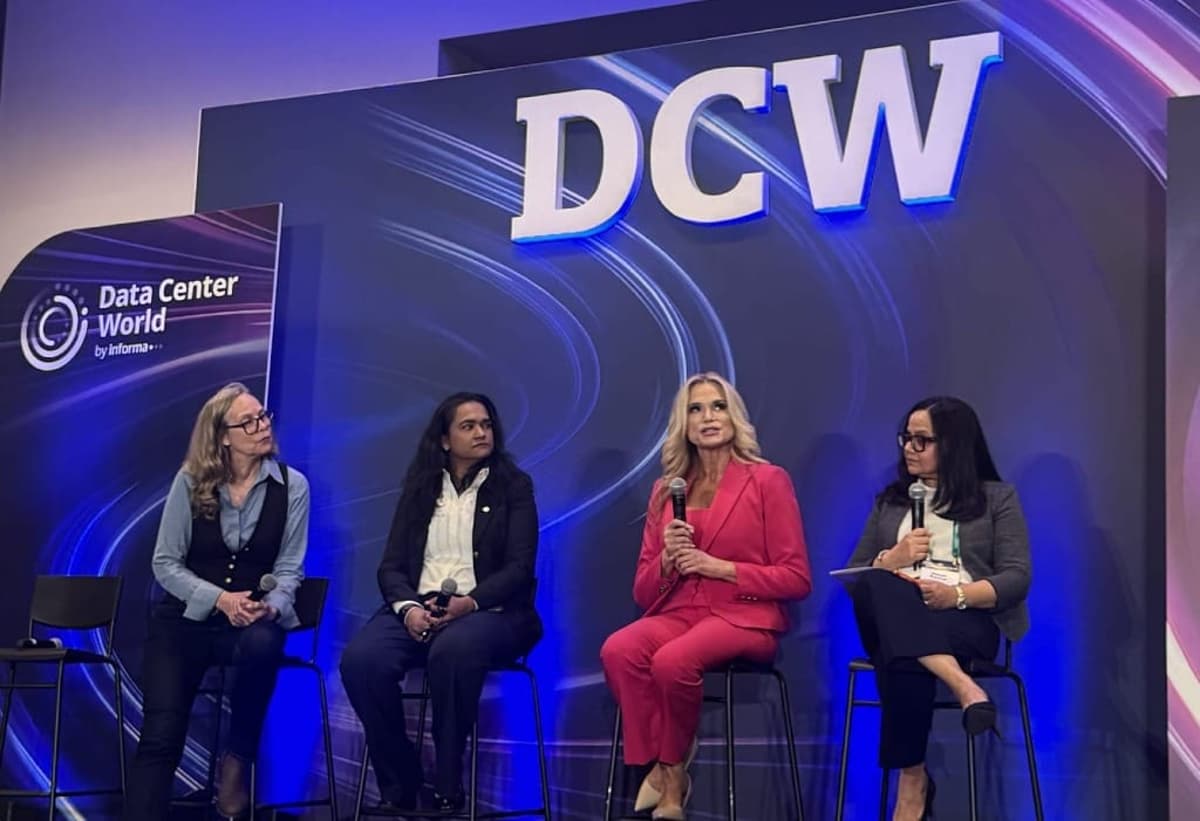
Early Community Engagement May Avoid Data Center Delays, Industry Panel Says
Companies Mentioned
Why It Matters
Early stakeholder alignment reduces permitting bottlenecks, protecting multi‑billion‑dollar investments and ensuring reliable infrastructure growth. It also helps developers navigate an increasingly hostile regulatory environment.
Key Takeaways
- •Early community outreach prevents 70% project failure rate
- •States like Maine restrict new data center permits
- •Repurposing brownfield sites eases zoning and gains incentives
- •Developers must translate technical plans into community-friendly language
- •Fastest site selection focuses on grid access and permitting speed
Pulse Analysis
The surge in data consumption is driving hyperscalers to chase new sites at unprecedented speed, but the rush often collides with local governance realities. Panels at Data Center World emphasized that developers who treat community relations as a technical requirement risk project cancellations. By integrating outreach into the earliest planning stages, firms can pre‑empt opposition, streamline environmental reviews, and secure the social license needed for large‑scale power draws. This proactive stance is becoming a competitive advantage as the industry eyes a projected $150 billion in new capacity over the next five years.
Regulatory pressure is intensifying across the United States. States such as Maine have effectively closed the door on fresh data center permits, while new utility tariffs in several jurisdictions increase operating costs and extend timelines. Ohio’s recent community pushback illustrates how even ample grid capacity cannot overcome local sentiment. Energy‑market analysts at ICF warn that dozens of states are drafting rules that tie data‑center approvals to broader climate and land‑use policies, making early policy engagement essential for risk mitigation.
Strategic site selection now leans heavily on repurposing existing industrial footprints. Brownfield conversions not only sidestep zoning hurdles but also unlock state incentives and community goodwill by revitalizing underused lands. Engineers like Sasha Ishmael note that developers prioritize locations where power can be delivered quickly, but they must balance that urgency with transparent communication to avoid retroactive policy roadblocks. Companies that master this bilingual approach—translating technical needs into community‑friendly narratives—are better positioned to meet hyperscaler timelines while preserving local support, ultimately delivering projects on budget and on schedule.
Early Community Engagement May Avoid Data Center Delays, Industry Panel Says
Comments
Want to join the conversation?
Loading comments...