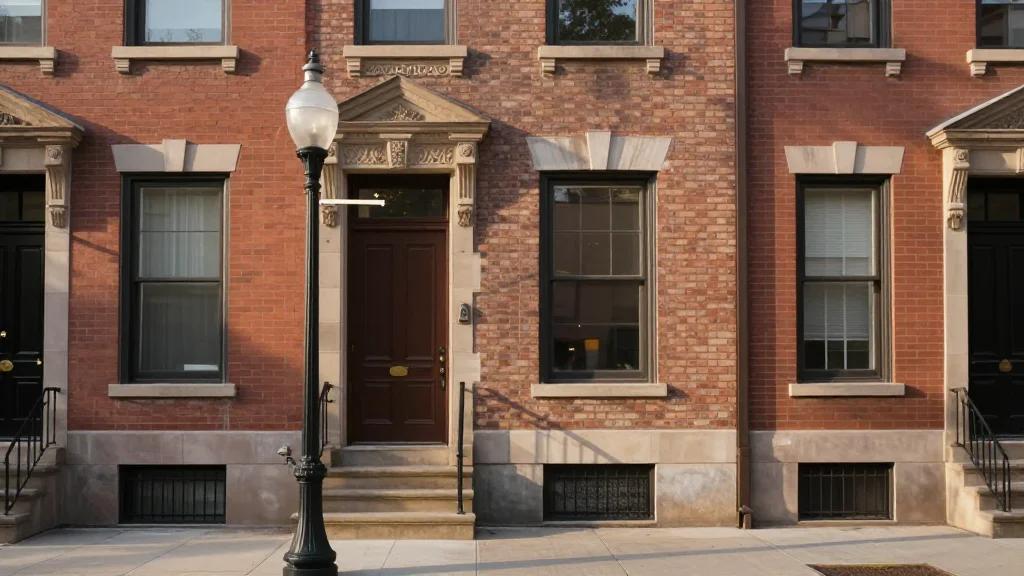
Edgewater’s Bryn Mawr Avenue Block Nears Chicago Landmark Designation

Why It Matters
A city landmark designation for Bryn Mawr Avenue would cement legal safeguards against demolition and unsympathetic alterations, preserving a rare concentration of Victorian and Jazz Age architecture in Chicago. By unlocking tax incentives, the move could lower the financial barrier for owners to undertake costly restorations, potentially boosting property values and attracting heritage‑focused buyers. At the same time, the designation signals a broader municipal commitment to the 15‑minute city concept, encouraging dense, walkable neighborhoods that reduce reliance on cars and support local commerce. The decision also serves as a test case for how Chicago balances historic preservation with development pressures. If the landmark district proceeds smoothly, it may encourage other neighborhoods with similar historic assets to pursue city‑level protection, reshaping the city’s real‑estate landscape by prioritizing adaptive reuse over new construction.
Key Takeaways
- •City Planning Department will ask the Landmarks Commission to approve a preliminary designation for Bryn Mawr Avenue.
- •The proposed district spans three blocks and includes 15 historic residential buildings.
- •Two heavily altered buildings—5614 N. Winthrop Ave. and 1106 W. Bryn Mawr Ave.—are slated for demolition permits.
- •Landmark status would make owners eligible for property‑tax incentives to offset renovation costs.
- •The move aligns with Chicago’s 15‑minute city strategy, emphasizing walkability and transit access.
Pulse Analysis
The Bryn Mawr Avenue landmark proposal reflects a growing trend in major cities to leverage historic preservation as a tool for economic revitalization. Unlike federal National Register listings, which are largely honorific, a city designation carries enforceable design review and financial incentives, creating a more direct impact on the built environment. In Chicago, where housing stock varies widely in condition, the ability to tap tax credits can make the difference between demolition and restoration, preserving architectural diversity while maintaining affordability.
Historically, Chicago’s landmark process has been contentious, with developers arguing that restrictions impede modernization. However, the Bryn Mawr case benefits from a strong community coalition and a clear economic argument: restored historic units often command premium rents and attract niche buyers seeking character properties. The inclusion of the district within the broader Broadway Land Use Framework suggests the city is integrating preservation into its zoning toolkit, rather than treating it as an afterthought.
Looking ahead, the outcome will likely influence how other neighborhoods—such as the historic districts in Logan Square or the South Loop—approach landmark applications. If the council endorses the designation and the tax incentive program proves effective, we could see a wave of similar proposals, reshaping Chicago’s real‑estate market toward a model that values heritage as a catalyst for sustainable, walkable urban growth.
Edgewater’s Bryn Mawr Avenue Block Nears Chicago Landmark Designation
Comments
Want to join the conversation?
Loading comments...