Engineering & Construction Guide: How to Safely Install Carports in Challenging Environments
Why It Matters
Proper foundation and reinforcement prevent costly structural failures, protecting homeowners and contractors from liability and expensive repairs.
Key Takeaways
- •Deep excavations (600‑1200 mm) anchor posts in stable subgrade
- •Cantilever carports require high‑strength concrete footings and stay‑braces
- •M‑shape double carports need full‑depth footings for wind resistance
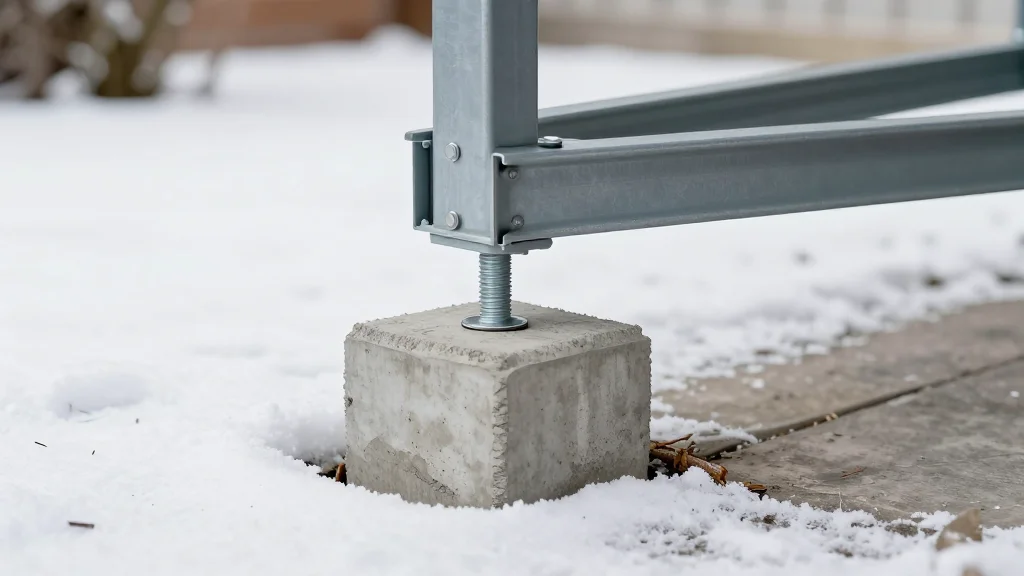
- •Use cyclonic‑rated fasteners and dome‑capped footings to prevent corrosion
Pulse Analysis
Carports have become a popular add‑on for homeowners seeking extra storage and curb‑appeal, but their open‑frame design makes them vulnerable to wind uplift and snow accumulation. In regions with soft geotechnical conditions—sandy, clay‑heavy, or loose topsoil—standard slab‑mounted anchors often fail under these forces. Engineers now recommend excavating footings 600 to 1,200 mm deep and pouring high‑strength concrete around extended posts, creating a buried column that transfers loads to stable subgrade. This foundation approach not only meets code requirements but also extends the service life of the structure.
Advanced carport configurations, such as cantilever and M‑shape double units, amplify the engineering challenges. A cantilever carport acts like a lever, generating significant overturning moments that demand deep, reinforced concrete footings and diagonal stay‑braces to resist lateral forces. The M‑shape double carport, with its broader roof span, captures more wind pressure, requiring the same deep‑buried footings for each pillar to maintain stability. Incorporating high‑strength concrete and tension rods ensures these designs meet both wind and snow load criteria in cyclonic or snowy climates.
Beyond structural considerations, safety during installation is critical. Cyclonic‑rated screws paired with oversized EPDM washers keep roof sheeting attached during extreme events, while dome‑capped footings shed water and mitigate corrosion of metal posts. Conducting a pre‑excavation utility scan avoids accidental damage to underground services, reducing project delays and liability. By adhering to these best‑practice measures, contractors can deliver durable, code‑compliant carports that protect investments and enhance property value.
Engineering & Construction Guide: How to Safely Install Carports in Challenging Environments
Comments
Want to join the conversation?
Loading comments...