Companies Mentioned
Why It Matters
The takeover underscores the exposure of government‑sponsored enterprises to distressed multifamily assets and may prompt tighter loss‑mitigation strategies for similar loans.
Key Takeaways
- •Fannie Mae bought The Peach for $24.6 million at foreclosure auction.
- •Original $23.2 million loan originated in Feb 2024, assigned to Fannie Mae.
- •Title transferred to Trimont‑affiliated LLC shortly after purchase.
- •Prior lawsuit accused developer of undisclosed refinancing and lease inflation.
- •Building converted from vacant office to 68‑unit apartments since 2016.
Pulse Analysis
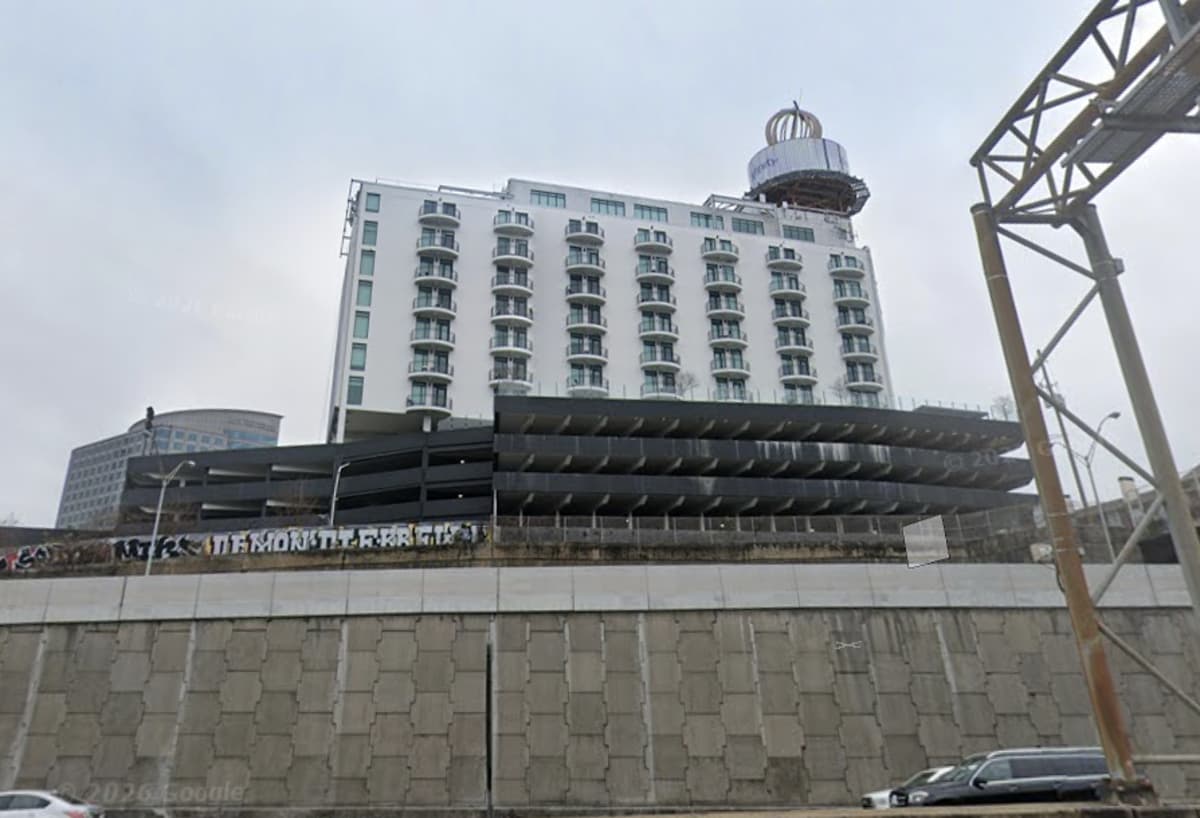
Fannie Mae’s acquisition of the Peach building illustrates how government‑sponsored enterprises (GSEs) are increasingly stepping in as owners of distressed multifamily assets. The 68‑unit tower, located at 1655 Peachtree Street, was seized after the borrower defaulted on a $23.2 million loan that had been assigned to Fannie Mae. By purchasing the property for $24.6 million at a court‑ordered auction, the GSE not only recovers its exposure but also positions itself to manage or resell the asset, a strategy seen in other recent GSE foreclosures across the United States.
The Peach’s history adds layers to the transaction. Originally built as an office building in the 1960s, it sat vacant for decades before developer Peach Hospitality bought it for $8.5 million in 2016 and converted it into apartments. A 2025 investor lawsuit alleged that the developer refinanced the loan without notifying joint‑venture partners and inflated lease numbers to boost the property’s valuation. Although the suit was dismissed, the allegations highlight governance risks that can accelerate loan defaults, especially when financing is tied to GSEs that enforce strict compliance.
For the broader market, this foreclosure signals heightened scrutiny of multifamily financing, particularly for assets with complex ownership structures or questionable underwriting. Investors may see increased caution from lenders, tighter covenant enforcement, and a potential rise in secondary‑market opportunities as GSEs look to offload properties they acquire. The Peach case serves as a cautionary tale for developers and investors alike, emphasizing the importance of transparent financing practices and robust asset management to avoid costly defaults and legal entanglements.
Fannie Mae Forecloses On The Peach Building
Comments
Want to join the conversation?
Loading comments...