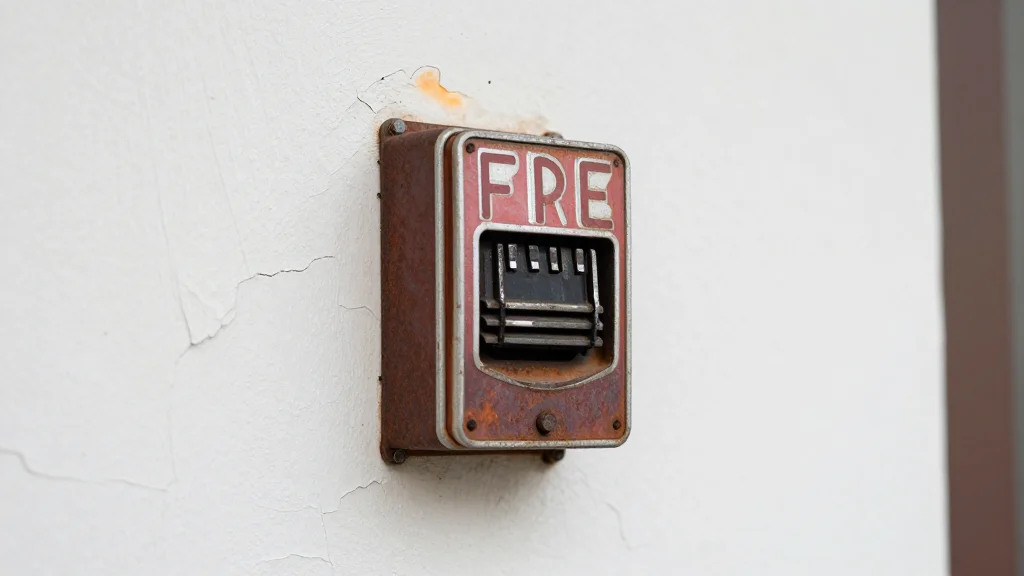
Fatal NYC Apartment Fire Puts Spotlight on Landlord’s Nearly 1,000 Safety Violations
Companies Mentioned
Why It Matters
The tragedy underscores how chronic code violations can translate into lethal outcomes and illustrates the city’s escalating legal pressure on landlords who use neglect to force out protected tenants. It signals heightened scrutiny for property owners and potential policy shifts in housing safety enforcement.
Key Takeaways
- •JanJan Realty linked to 1,000+ open fire safety violations citywide
- •207 Dyckman St. fire killed three, spread via open doors
- •HPD sued Bick for violations and alleged tenant harassment
- •Building placed in Alternative Enforcement Program months before blaze
- •Public Advocate lists Bick among 2025’s worst landlords
Pulse Analysis
The Inwood blaze that claimed the lives of fashion editor Yolaine Diaz, her mother, and a fourth‑floor tenant has become a flashpoint for New York’s housing safety crisis. Investigations revealed that JanJan Realty, led by Jack Bick, oversees a portfolio riddled with nearly 1,000 open fire‑code violations, from non‑functioning smoke alarms to broken self‑closing doors. The city’s Department of Housing Preservation and Development (HPD) has moved to sue Bick, alleging that the neglect is a deliberate tactic to pressure rent‑stabilized tenants out of their apartments, a claim echoed by the Public Advocate’s worst‑landlord watchlist.
HPD’s response illustrates a broader shift toward aggressive enforcement. The agency placed the fire‑stricken building into its Alternative Enforcement Program earlier this year, a mechanism that subjects properties with multiple violations to continuous monitoring and steep daily fines unless corrective actions are taken. This case highlights how existing regulatory tools can be leveraged to compel landlords to address hazardous conditions, yet also exposes gaps when violations persist despite oversight. Legal actions now target not only the immediate safety failures but also alleged civil penalties and tenant‑harassment schemes, signaling that city officials are willing to use the full legal arsenal to protect vulnerable renters.
For investors and property managers, the fallout serves as a cautionary tale. Chronic code violations can erode tenant trust, trigger costly litigation, and attract negative publicity that depresses property values. Moreover, the heightened focus on rent‑stabilized units may prompt stricter compliance standards and more frequent inspections citywide. Stakeholders should prioritize proactive maintenance, upgrade fire‑safety systems, and engage transparently with regulators to mitigate risk. As New York’s housing market grapples with affordability pressures, ensuring baseline safety is becoming a non‑negotiable component of responsible property stewardship.
Fatal NYC apartment fire puts spotlight on landlord’s nearly 1,000 safety violations
Comments
Want to join the conversation?
Loading comments...