Five Simple Zoning Changes that Any City Can Make to Increase Housing Affordability
Companies Mentioned
Why It Matters
Zoning reforms directly expand the housing pipeline, offering a scalable tool for municipalities to address soaring rents and shortages. Faster, cheaper approvals also reduce developer risk, encouraging investment in affordable units.
Key Takeaways
- •Permit 3‑5‑story multifamily in commercial zones by right.
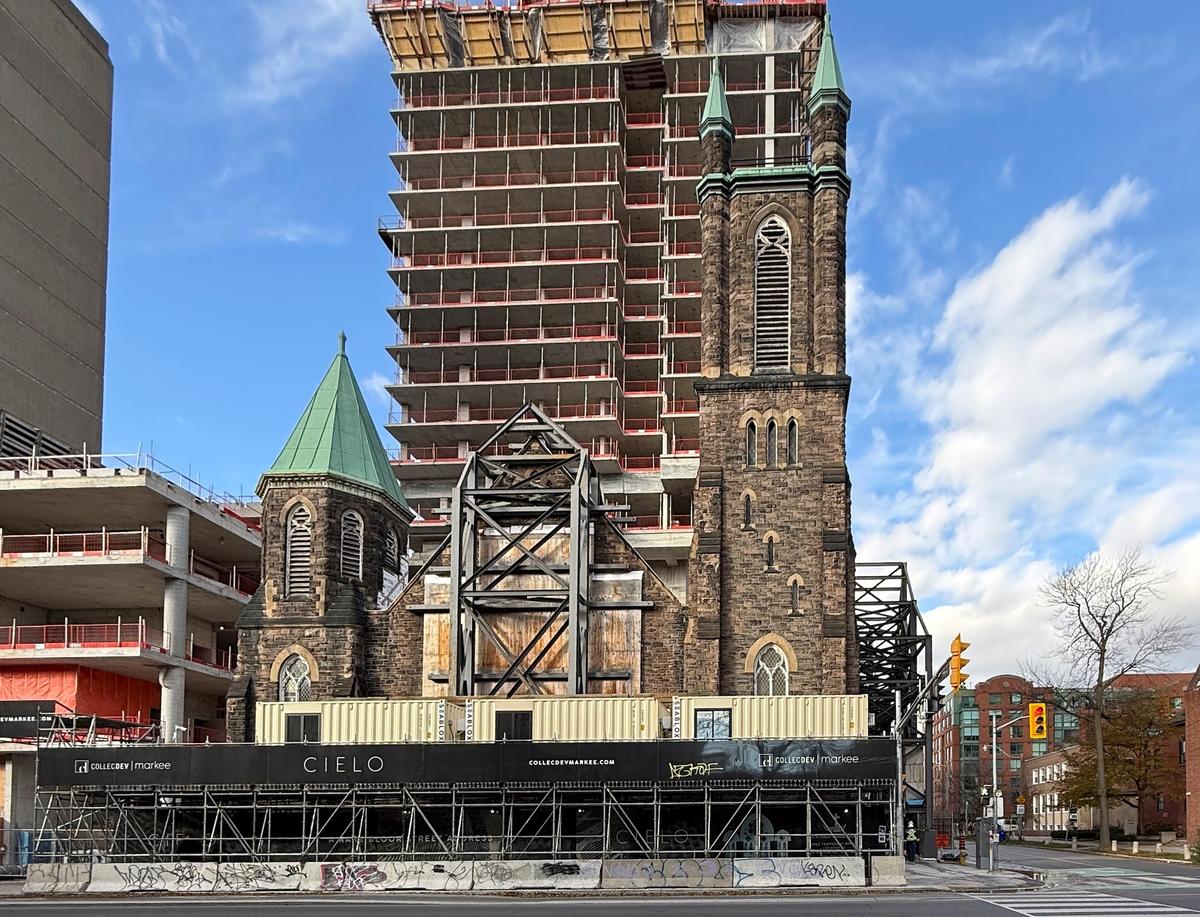
- •Allow medium‑density housing on religious, college, and nonprofit lands.
- •Enable missing‑middle types like duplexes and townhouses in single‑family zones.
- •Remove per‑acre density caps so developers can maximize unit counts.
- •Adopt administrative approvals for compliant projects, cutting hearings and delays.
Pulse Analysis
Housing affordability remains a top concern for American cities, and zoning is the most immediate lever local officials control. Traditional single‑family zoning dominates 70‑80% of urban land, inflating prices by limiting supply. The five reforms outlined—medium‑density allowances in commercial and institutional districts, broader missing‑middle options, elimination of arbitrary density limits, and streamlined administrative approvals—target the structural bottlenecks that keep housing scarce and costly. By converting underused retail corridors, church campuses, and college parking lots into multi‑unit dwellings, municipalities can unlock thousands of units without new land acquisition.
The shift toward "by right" development removes the discretionary public‑hearing step, cutting months of uncertainty and legal expense. This procedural simplification benefits developers, who can now align projects with pre‑set quality standards, and residents, who avoid protracted debates that often stall progress. Removing per‑acre caps lets market forces determine optimal unit density, encouraging smaller, more affordable units such as micro‑apartments. Meanwhile, expanding missing‑middle housing—duplexes, fourplexes, and townhouses—offers a gradual, neighborhood‑compatible increase in supply, easing the cultural resistance to higher‑density construction.
If adopted widely, these zoning tweaks could generate a measurable uptick in housing stock within a few years, easing price pressures and providing more options for low‑ and middle‑income households. Cities that act now will set a precedent for balancing growth with community character, while also demonstrating fiscal prudence by leveraging existing infrastructure. The cumulative effect—more units, lower construction costs, and faster approvals—creates a virtuous cycle that can help stabilize rents and support sustainable urban development.
Five simple zoning changes that any city can make to increase housing affordability
Comments
Want to join the conversation?
Loading comments...