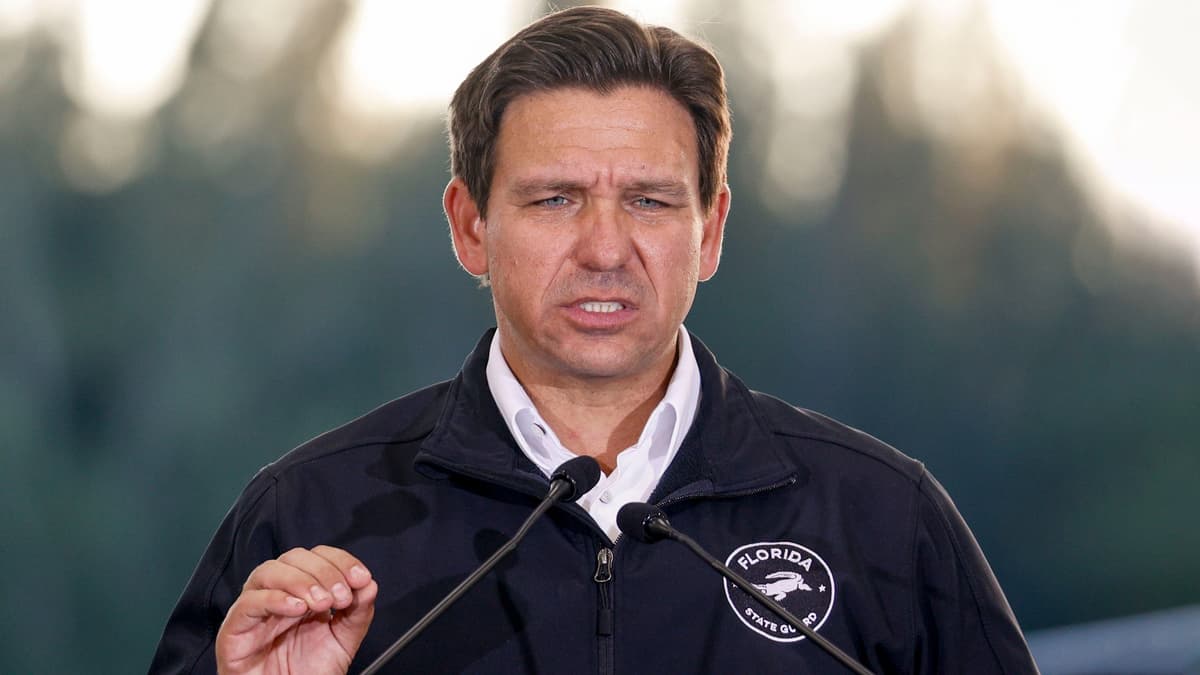
Florida Gov. Ron DeSantis Unveils His Plan To Virtually Eliminate Property Taxes
Why It Matters
Eliminating most property taxes would reshape Florida’s revenue model, shifting the fiscal burden from homeowners to state‑level mechanisms and potentially destabilizing local budgets. The initiative also signals a broader political push to curb tax burdens in high‑growth states.
Key Takeaways
- •DeSantis proposes raising homestead exemption to $250k, targeting 60% homeowners
- •Phase‑in could reach $500k exemption, covering 92% of residents
- •Local budgets risk losing $60B in property tax revenue
- •Cities may depend on second‑home and commercial taxes, plus state grants
- •85 cities warn essential services could be jeopardized without property taxes
Pulse Analysis
Florida’s property‑tax debate has surged to the governor’s desk as Ron DeSantis unveils a sweeping exemption overhaul. By lifting the homestead shield to $250,000, the plan aims to wipe out annual levies for the majority of primary‑residence owners, a move that could trigger a sharp rise in home values—estimated at $200‑$250 billion statewide. The governor frames the reform as a correction to a system that taxes ownership repeatedly, positioning Florida as a potential national outlier if the ballot measure passes.
The fiscal ripple effects are profound. Local jurisdictions currently rely on roughly one‑third of their budgets—about $60 billion a year—from residential property taxes. A phased exemption to $500,000 would slash that base dramatically, forcing cities to lean on taxes from second homes, commercial properties, and a proposed state‑run trust fund for essential services. Rural counties with limited commercial tax bases could face the steepest shortfalls, prompting the Florida League of Cities to warn that 85 municipalities may be unable to sustain public safety and infrastructure without the current levy.
Nationally, Florida’s gamble mirrors a growing chorus of property‑tax rollbacks, from Ohio’s recent proposals to Michigan’s legislative efforts. Yet the political calculus remains delicate; DeSantis acknowledges the need for a gradual approach to avoid a migration surge and to secure legislative backing. If successful, the model could reshape how states fund local services, but it also risks inflating housing costs and straining municipal finances—a trade‑off that voters will weigh in the upcoming election.
Florida Gov. Ron DeSantis Unveils His Plan To Virtually Eliminate Property Taxes
Comments
Want to join the conversation?
Loading comments...