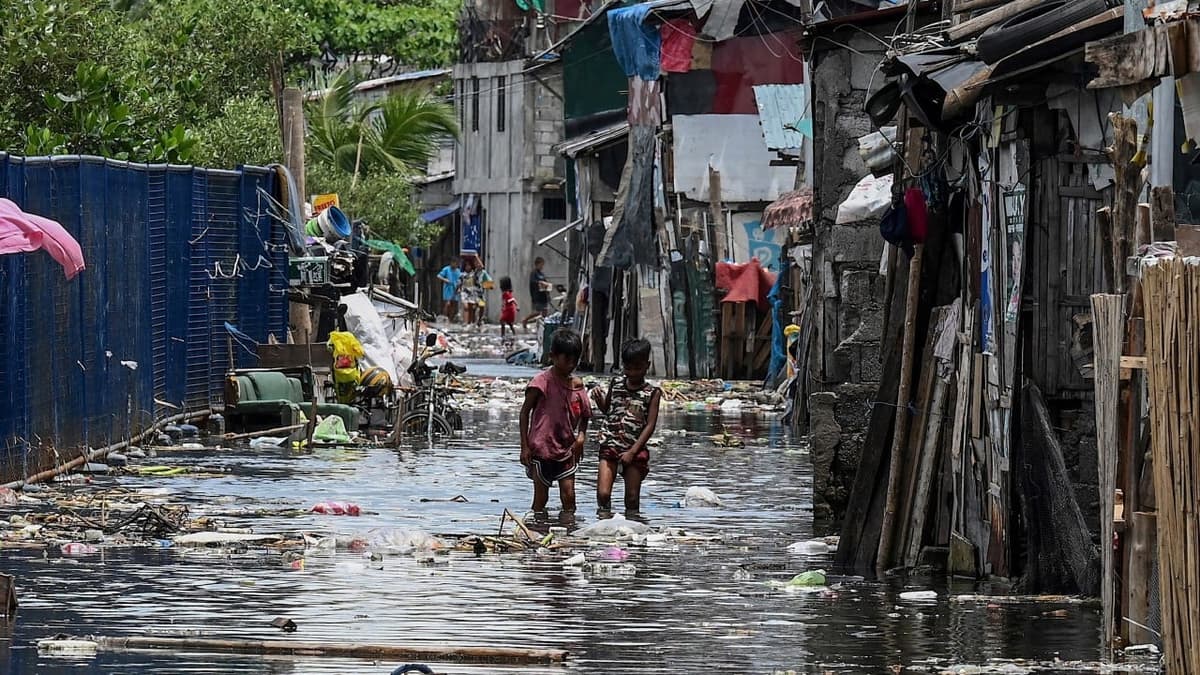
Forget Hong Kong and Singapore, Philippines Housing Is Least Affordable: Survey
Companies Mentioned
Why It Matters
The findings expose a deep affordability gap in fast‑growing Asian cities, urging policymakers and developers to prioritize low‑cost housing and financing reforms.
Key Takeaways
- •Philippines 55% report housing stress, highest among 140+ nations
- •Hong Kong/Singapore price‑to‑income ratios extreme but reported strain lower
- •Low wages, scarce mortgages and developer focus on upscale units drive unaffordability
- •Incremental housing, micro‑finance and targeted subsidies are needed solutions
Pulse Analysis
The Gallup World Poll’s 2025 housing‑affordability module shines a spotlight on a stark reality often hidden behind headline‑grabbing price‑to‑income ratios. While Hong Kong and Singapore dominate global rankings for unaffordable property prices, the survey reveals that more than half of Filipino households actually feel the pinch, a pattern echoed in Bangladesh, India and other emerging economies. This divergence underscores that raw price metrics can mask the lived experience of low‑income families who lack the cash flow to meet even basic shelter costs.
In the Philippines, rapid urbanisation has outpaced wage growth, and formal mortgage products remain out of reach for informal‑sector workers. Developers, chasing higher margins, continue to build mid‑range and luxury units, leaving a vacuum for affordable rental or starter homes. The mismatch is compounded by bureaucratic permitting delays and insufficient public‑sector investment in low‑cost housing, creating a feedback loop where families revert to informal settlements near jobs and services. Similar dynamics play out across South‑East Asia, where population booms strain already limited land and infrastructure.
Addressing the crisis requires a multi‑pronged approach. Incremental housing models let families expand dwellings as incomes rise, while micro‑finance schemes can bridge the gap for first‑time buyers lacking collateral. Targeted subsidies and land‑use reforms that earmark parcels for affordable development can shift the supply curve toward the bottom of the market. For investors, the gap represents both risk and opportunity: financing structures that align returns with social impact are likely to gain traction as governments tighten affordability mandates and urban planners prioritize inclusive growth.
Forget Hong Kong and Singapore, Philippines housing is least affordable: survey
Comments
Want to join the conversation?
Loading comments...