Why It Matters
The sale offers a rare chance to revive regional processing capacity in Western Australia, potentially strengthening domestic supply chains and export capabilities for the livestock sector.
Key Takeaways
- •Great Eastern abattoir closed 2022, now on market
- •Shark Lake abattoir closed 2023, now on market
- •Both facilities hold export licences for lamb, goat, cattle
- •Colliers runs EOI campaign targeting processors, agribusiness investors
- •Sale can be individual or combined; deadline 15 May
Pulse Analysis
Western Australia’s meat‑processing landscape has long relied on a handful of regional abattoirs to serve the Wheatbelt and Esperance agricultural zones. The closure of Great Eastern in 2022 and Shark Lake in 2023 reflected broader pressures, including shifting export demand, rising operational costs, and tighter biosecurity standards. These facilities, once pivotal for converting local livestock into export‑ready products, now sit idle under care‑and‑maintenance agreements, representing dormant infrastructure that could be reactivated to meet growing domestic consumption and overseas market needs.
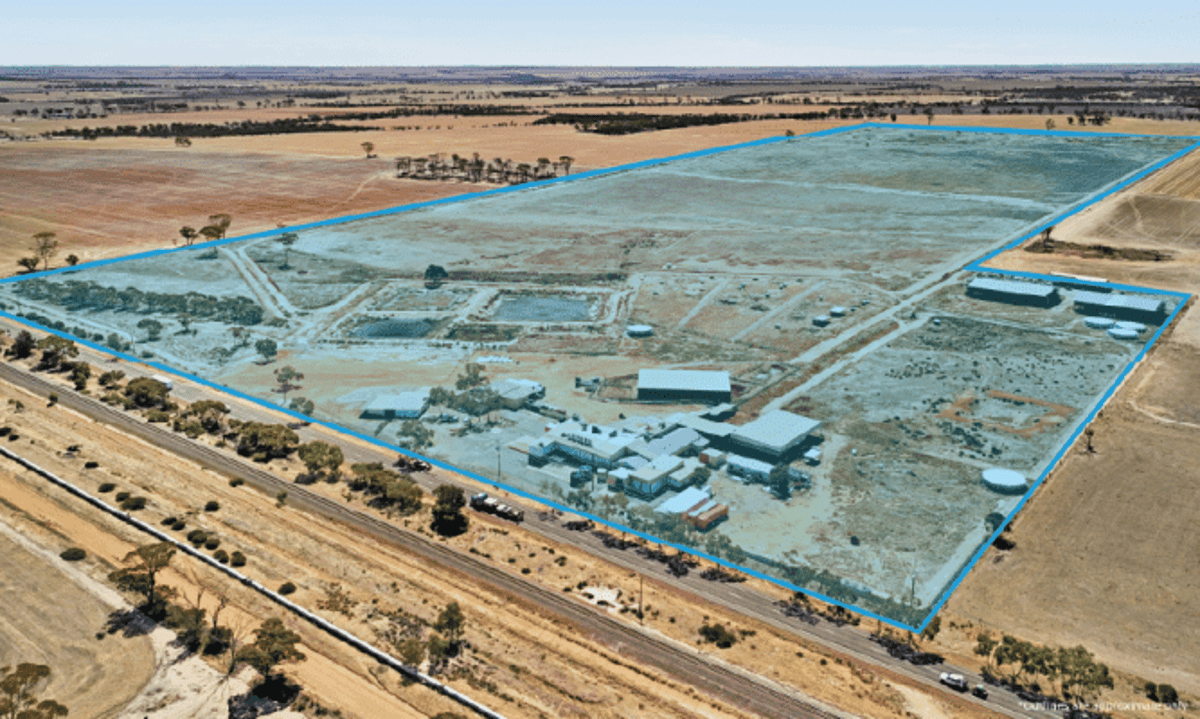
The assets themselves carry significant operational value. Great Eastern is export‑registered for lamb, mutton and goat, offering a ready‑to‑use processing line that complies with international certification regimes. Shark Lake’s broader licence portfolio—covering cattle, goats, lambs and sheep—provides flexibility for diversified livestock handling. Both sites include extensive water tanks, livestock handling systems, and ancillary accommodation, reducing the capital outlay required for a new build. Colliers’ decision to market the properties together or separately widens the pool of potential buyers, from established meat processors seeking capacity expansion to private equity groups eyeing turnaround opportunities in regional agribusiness.
Industry analysts view the campaign as a bellwether for the future of regional food processing in Australia. Reviving these abattoirs could alleviate bottlenecks in the supply chain, shorten transport distances for producers, and enhance export resilience amid global trade fluctuations. Moreover, the transaction aligns with a broader trend of investors targeting underutilized agricultural assets to capture value from post‑pandemic demand spikes and government incentives for rural development. The outcome will likely influence how quickly Western Australia can re‑establish a robust, export‑oriented meat‑processing network.
Former Minerva WA abattoir assets come to market
Comments
Want to join the conversation?
Loading comments...