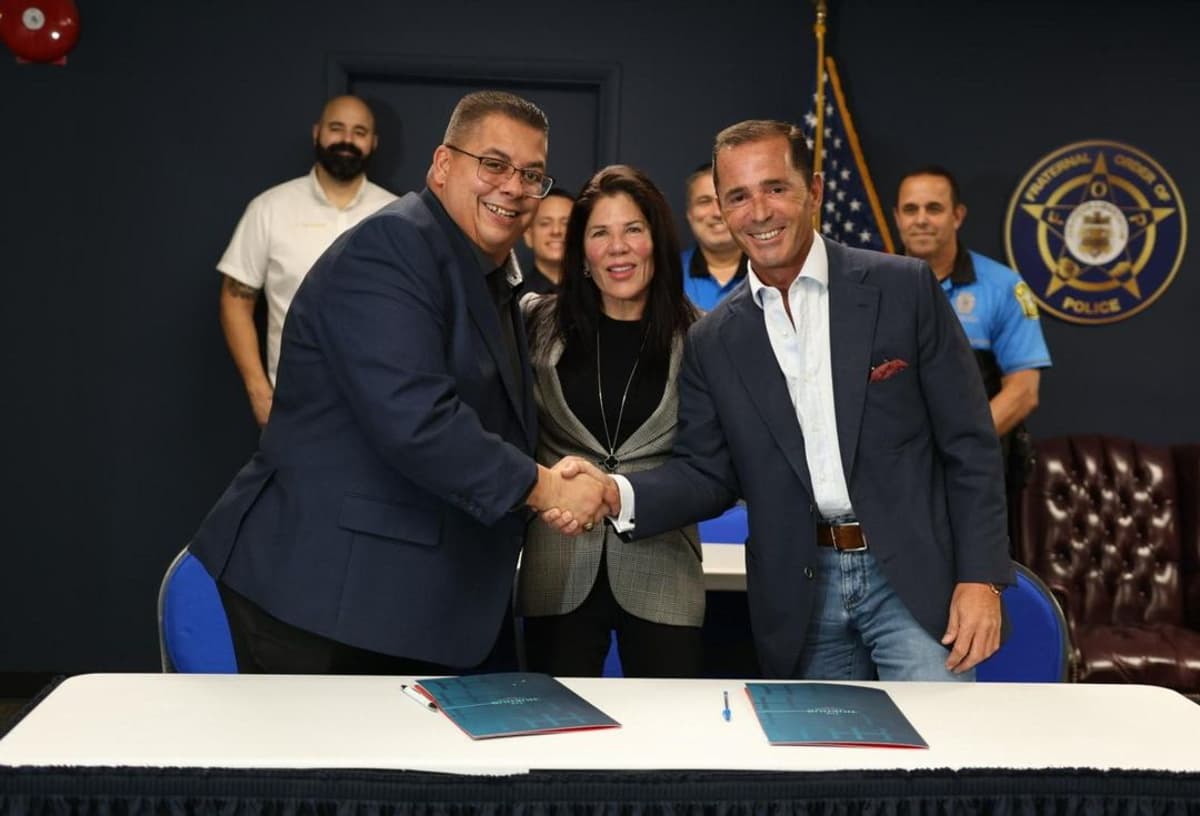
Former Partner Accuses Spanish Developer Of Icing Her Out Of 6,000-Unit Miami Project
•March 10, 2026
0
Why It Matters
The dispute highlights the risks of informal partnership agreements in large‑scale affordable‑housing projects and could delay one of Miami’s biggest developments, underscoring the need for enforceable contracts when leveraging public incentives like the Live Local Act.
Key Takeaways
- •Tauber sues Castro for breach, seeking $750K+ damages
- •HueHub first phase: 4,032 units, $880M, 6 towers
- •Project leverages Live Local Act, 40% affordable units
- •No written agreement; verbal promises of equity and fees
- •Demolition began despite partnership dispute
Pulse Analysis
The HueHub project represents a watershed moment for Miami’s affordable‑housing agenda. Envisioned as a 4,032‑unit, $880 million mixed‑use complex, it is the largest development to qualify for the state’s Live Local Act, which grants height bonuses in exchange for at least 40 % of units priced for households earning up to 120 % of the area median income. By earmarking 70 % of the units for union members, the scheme promised a stable tenant base and a template for public‑private collaboration. The demolition that began in early March signals that the physical build is moving forward, even as the partnership dispute looms.
Tauber’s lawsuit exposes the perils of relying on verbal commitments in multi‑billion‑dollar ventures. Without a written partnership agreement, she alleges that Castro reneged on promised equity stakes, management fees, and monthly compensation after she secured approvals and union contracts. The claim for $750 k in immediate damages and a potential $150 million share if the project succeeds underscores how informal arrangements can translate into massive financial exposure. Courts will likely scrutinize email trails, meeting minutes, and the parties’ conduct, setting a precedent for how equity promises are enforced in real‑estate joint ventures.
For developers, the HueHub controversy serves as a cautionary tale about governance and transparency when tapping public incentives. Delays stemming from litigation could postpone unit deliveries, affect affordable‑housing quotas, and erode confidence among lenders and municipal partners. Investors may demand stricter contractual safeguards and clearer equity allocation structures, especially in projects that blend private capital with government‑mandated affordability targets. As Miami continues to grapple with a housing deficit, ensuring that partnership agreements are airtight will be essential to keep large‑scale projects on schedule and to protect the public benefits envisioned by the Live Local Act.
Former Partner Accuses Spanish Developer Of Icing Her Out Of 6,000-Unit Miami Project
0
Comments
Want to join the conversation?
Loading comments...