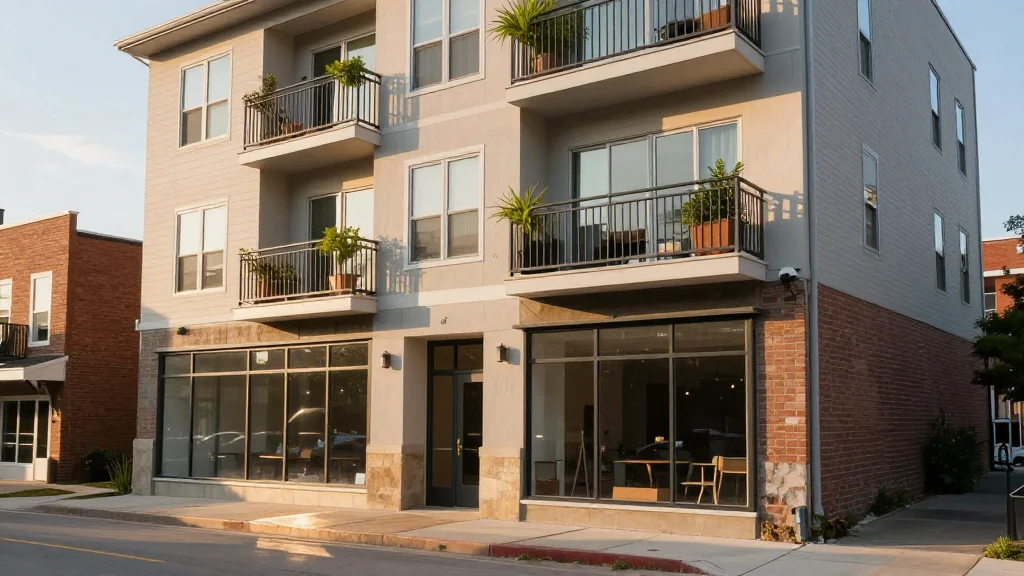
Fox River Grove Board Nears Approval of 5‑Story Mixed‑Use Development

Why It Matters
The Fox River Grove project illustrates how mid‑size suburbs are turning to mixed‑use developments to address both housing demand and downtown vitality. By concentrating nearly 100 new apartments and retail space on a single parcel, the village hopes to create a walkable hub that reduces reliance on cars and attracts younger residents. The parking variance request also highlights a broader tension: municipalities must reconcile traditional zoning standards with evolving urban design principles that prioritize density and mixed uses. If approved, the development could serve as a template for other Illinois towns grappling with vacant downtown lots and a shortage of affordable multifamily units. It signals that local governments are willing to adapt zoning rules to enable higher‑density projects, a shift that could accelerate suburban infill and curb sprawl.
Key Takeaways
- •Developers: Harlem Irving Companies, Hamilton Partners, Zeller
- •Project: 5‑story building with 97 apartments and 6,000 sq ft of retail
- •Estimated new residents: 166 (including 8 school‑aged children)
- •Parking variance sought: 170 spots, below code requirement
- •Village board vote scheduled for April 21, 2026
Pulse Analysis
Fox River Grove’s mixed‑use push reflects a national trend where suburbs are re‑imagining their downtowns as live‑work‑play environments. The inclusion of boutique‑hotel styling and extensive amenity space is a strategic move to attract higher‑income renters who value lifestyle over pure cost. By bundling residential units with ground‑floor retail, the developers are betting on a symbiotic relationship: residents provide a built‑in customer base for businesses, while active street‑level uses enhance safety and vibrancy.
Historically, suburban zoning has favored low‑rise, single‑family homes with generous parking ratios. The variance request here underscores a growing willingness to relax those standards, acknowledging that dense, walkable neighborhoods can reduce traffic and support local economies. However, the modest parking reduction may still face pushback from legacy residents accustomed to ample free parking. The board’s decision will likely hinge on whether the perceived economic benefits outweigh concerns about congestion.
Looking ahead, the project's success could catalyze a wave of similar proposals across the region, especially as developers seek sites with existing infrastructure and municipal support. If the board approves, Fox River Grove may become a case study in how small municipalities can leverage mixed‑use development to revitalize underutilized parcels, attract younger demographics, and diversify their tax base without resorting to large‑scale, high‑rise construction typical of major metros.
Fox River Grove Board Nears Approval of 5‑Story Mixed‑Use Development
Comments
Want to join the conversation?
Loading comments...