Garden State Retail

Why It Matters
The analysis highlights why national retailers can’t apply a one‑size‑fits‑all strategy in New Jersey; success hinges on flexible formats, local expertise, and targeting experiential categories that resonate with affluent, dense consumers. For landlords, understanding these dynamics informs tenant mix decisions that balance credit risk with the community appeal of niche concepts.
Key Takeaways
- •NJ retailers face high rents but achieve comparable sales performance.
- •Flexible store formats essential due to limited large‑footprint spaces.
- •Local brokers' sub‑market knowledge critical for successful site selection.
- •Experiential, fitness, and fast‑casual concepts drive new leasing activity.
- •Parking and suburban feel differentiate NJ from NYC and Philadelphia.
Pulse Analysis
New Jersey’s retail market offers a compelling mix of high population density, strong disposable incomes, and a regulatory environment that can slow approvals. While rents rival those of Manhattan and Philadelphia, the state’s unique blend of urban‑suburban corridors provides ample foot traffic and vehicle access—an advantage for retailers that rely on parking and drive‑up convenience. This combination translates into sales metrics that often match or exceed national averages, making the Garden State a lucrative, albeit competitive, arena for expansion.
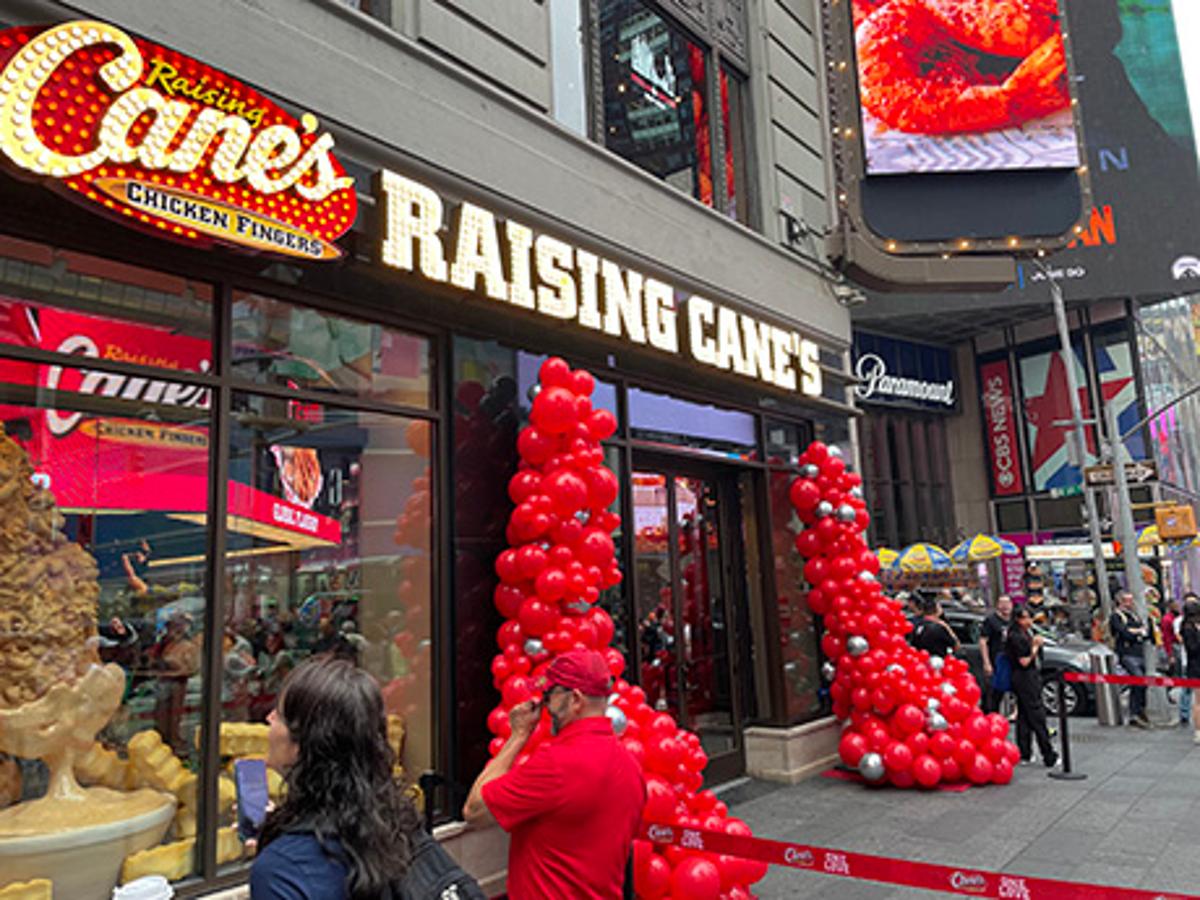
Success in New Jersey demands flexibility. Tenants must resize prototypes, often sacrificing the 70,000‑sq‑ft boxes common elsewhere for smaller, adaptable footprints. Brokers like JLL’s David Townes and Azarian’s Kevin Pelio stress that granular sub‑market knowledge—knowing which municipalities welcome mixed‑use projects versus those with lengthy permitting—can shave months off a rollout timeline. Real‑world examples include Raising Cane’s strategic leap from a Times Square flagship to suburban sites in Edison and Watchung, and Sprouts Farmers Market’s targeted entry into high‑density towns, both leveraging local broker insight to secure optimal locations.
The sector’s growth drivers are increasingly experiential. Fitness centers, indoor playgrounds, and fast‑casual concepts such as Dave’s Hot Chicken and 7 Brew coffee are proliferating, capitalizing on New Jersey’s appetite for convenience and community‑focused venues. While mom‑and‑pop operators feel pressure from soaring rents, landlords prioritize credit‑worthy tenants that can sustain premium occupancy costs. This dynamic creates a fertile environment for nationally recognized brands to cement regional footholds, while savvy local developers curate diverse tenant mixes that enhance cross‑shopping and dwell time. The result is a resilient market where strategic adaptability and local expertise are the keys to long‑term profitability.
Garden State Retail
Comments
Want to join the conversation?
Loading comments...