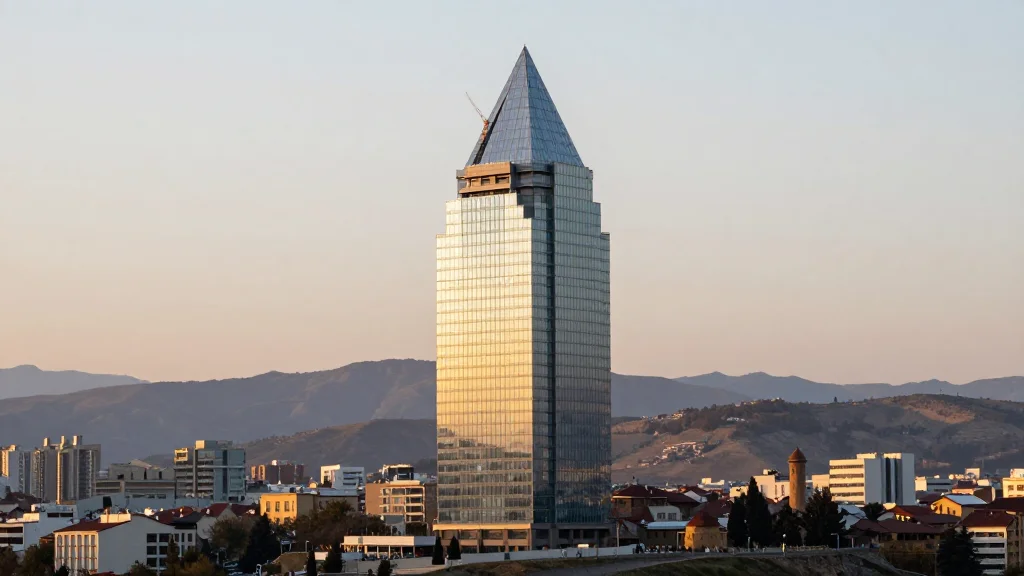
Georgian Government Gets US President’s Attention with Tbilisi Tower Deal
Why It Matters
The development could reshape Georgia’s investment climate while serving as a diplomatic lever amid strained US‑Georgia relations, potentially influencing sanction decisions and regional trade dynamics.
Key Takeaways
- •Trump Organization to build 70‑storey tower, tallest in Caucasus
- •Joint venture includes four Georgian firms and US Sapir Organization
- •Critics view tower as political move to win US favor
- •Land tied to billionaire Bidzina Ivanishvili’s Cartu Foundation
- •US‑Georgia diplomatic ties remain strained despite tower announcement
Pulse Analysis
The Trump Organization’s Tbilisi tower marks a notable shift in the firm’s overseas strategy, moving from occasional high‑profile proposals to deep‑rooted joint ventures with local partners. By aligning with Archi Group, Biograpi Living, Blox Group, and Finvest Georgia, the project embeds American branding within Georgia’s real‑estate market, promising construction jobs, tourism draw, and a landmark that could boost the capital’s global profile. Yet the financial upside is intertwined with political calculus, as the tower’s visibility offers the Georgian Dream party a tangible symbol of foreign confidence amid looming U.S. and EU sanctions targeting the country’s perceived authoritarian slide and Russian‑leaning policies.
Beyond economics, the tower is a diplomatic signal. Georgia’s leadership hopes the high‑visibility partnership will soften Washington’s stance, especially after Secretary of State Marco Rubio’s historic call with Prime Minister Irakli Kobakhidze. However, critics contend the venture is a quid‑pro‑quo effort by billionaire Bidzina Ivanishvili, whose Cartu Foundation owns the site, to shield himself from sanctions and secure political leverage. The involvement of former MP Ilia Tsulaia and the Pkhakadze brothers further blurs the line between private profit and statecraft, raising conflict‑of‑interest concerns echoed by the Wall Street Journal.
Regionally, the tower could influence the emerging Middle Corridor trade network, where the Trump‑initiated TRIPP route seeks to link Central Asia to Europe via Armenia and Azerbaijan. A high‑profile U.S. brand in Tbilisi may attract ancillary investment, positioning Georgia as a gateway for logistics and finance. Yet the project’s success hinges on navigating geopolitical tensions, ensuring transparent ownership, and delivering on promised economic benefits without deepening the country’s reliance on politically motivated foreign deals.
Georgian government gets US president’s attention with Tbilisi tower deal
Comments
Want to join the conversation?
Loading comments...