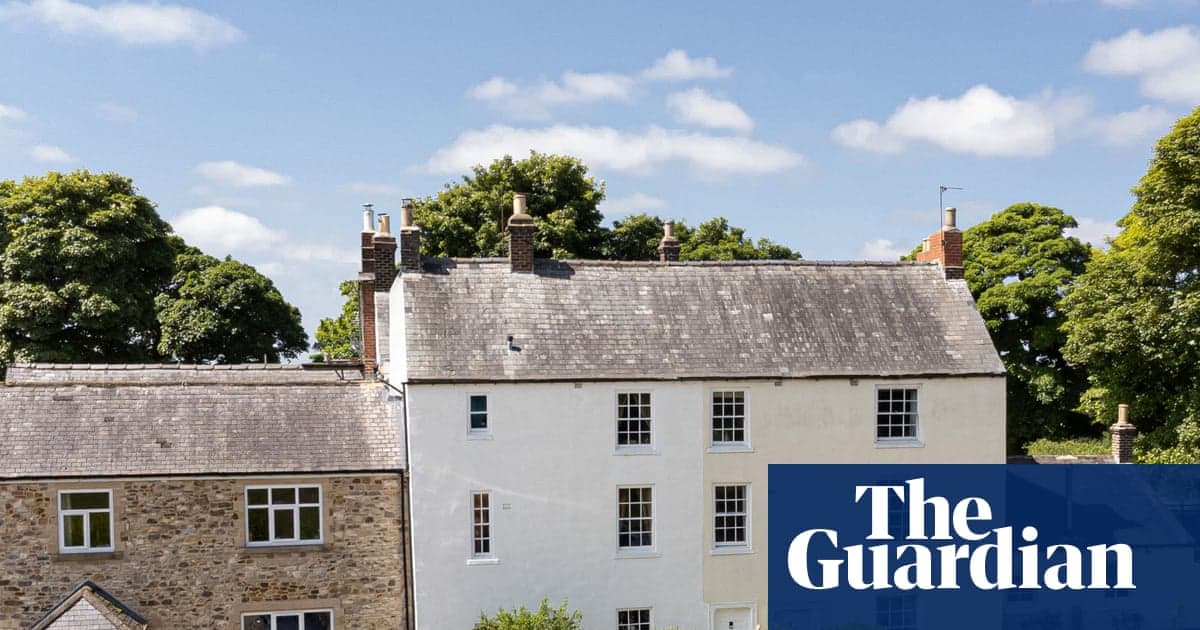
Grade II-Listed Homes in England for Sale – in Pictures
Companies Mentioned
Why It Matters
Heritage properties are increasingly seen as both cultural assets and high‑value investment opportunities, influencing regional real‑estate dynamics and preservation funding. Their limited supply and unique appeal can drive premium pricing and reshape buyer expectations in the UK market.
Key Takeaways
- •Prices span $500k to $3.8m for Grade II listed homes
- •Somerset listings combine thatched roofs with garden orchards
- •London neo‑Jacobean house offers period‑authentic leaded windows
- •Essex cottage features medieval meadow and no onward chain
- •Bristol’s five‑storey White House returns to market after 46 years
Pulse Analysis
The resurgence of Grade II‑listed homes on the market underscores a growing appetite for properties that blend historic charm with modern livability. Buyers are willing to pay premium prices—averaging $1.5 million—to own a piece of England’s architectural heritage, whether it’s a thatched Somerset cottage with an orchard or a London neo‑Jacobean townhouse boasting original leaded windows. This trend reflects broader wealth‑preservation strategies, where affluent investors view heritage assets as tangible stores of value that also offer unique lifestyle benefits.
Regional nuances shape demand: rural listings in Somerset and Essex attract buyers seeking tranquil settings, garden space and a sense of countryside authenticity. These homes often feature period‑specific elements—such as timber beams, orchards, and medieval meadows—that require careful maintenance but add considerable character. In contrast, urban listings like the London and Bristol properties appeal to investors looking for prestige and proximity to cultural hubs, despite stricter planning constraints. The need to balance preservation regulations with contemporary upgrades can increase renovation costs, yet it also enhances the exclusivity of such assets.
From an investment perspective, Grade II‑listed homes present both opportunities and challenges. Limited supply and strong buyer interest can drive price appreciation, while heritage status may unlock specialized financing options and tax incentives. However, owners must navigate conservation guidelines that can restrict alterations, potentially affecting resale timelines. As the market matures, we can expect heightened collaboration between developers, heritage bodies and financiers to unlock the full economic potential of these culturally significant properties, reinforcing their role as cornerstone assets in the UK’s luxury real‑estate portfolio.
Grade II-listed homes in England for sale – in pictures
Comments
Want to join the conversation?
Loading comments...