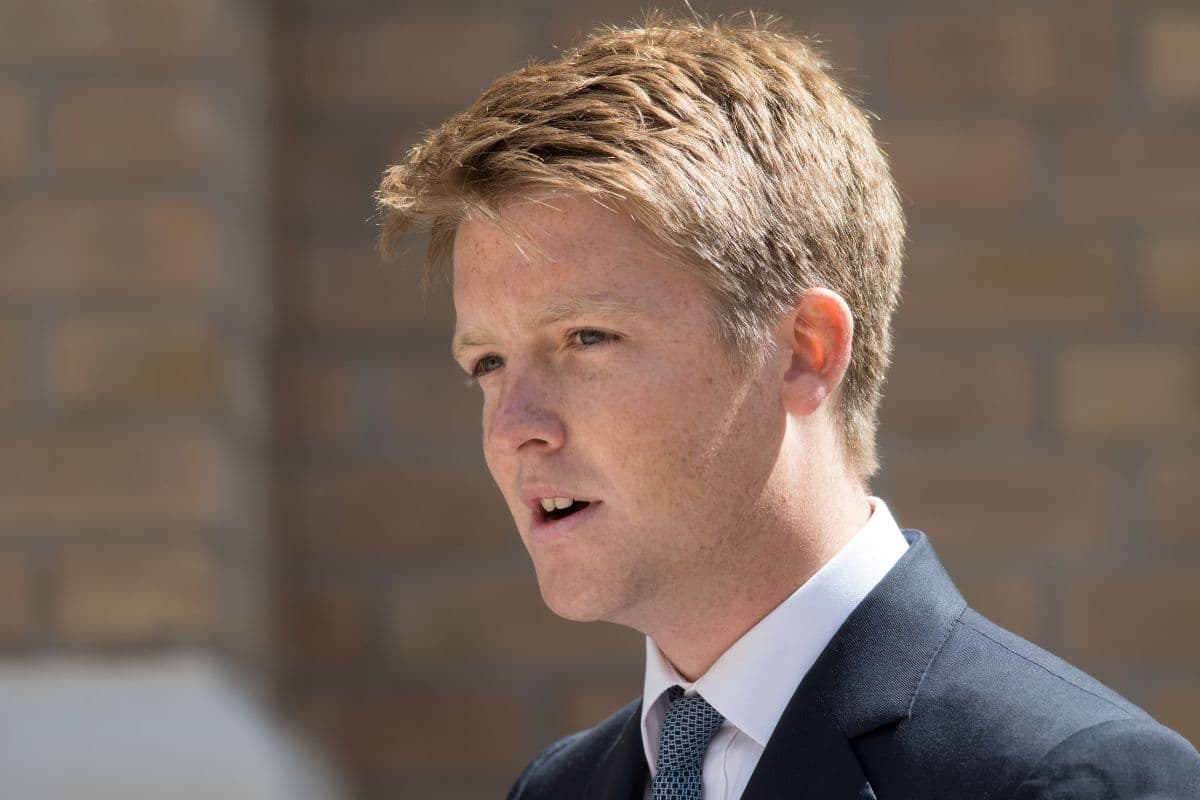
Grosvenor Estate: Ministers Don’t Get ‘Basic Economics’
Companies Mentioned
Why It Matters
The estate’s critique highlights how policy‑driven constraints could deepen the UK housing shortage, while its own financial loss underscores broader market pressures on large property owners.
Key Takeaways
- •Grosvenor estate reports $55m pre‑tax loss, reversing $30m profit.
- •Duke of Westminster warns government red tape will choke housing supply.
- •OBR projects net housing additions falling to 220,000 units in 2026‑27.
- •Labour’s 1.5 million‑home target unlikely to materialise before 2030.
- •Grosvenor manages $12 billion in assets, including $3.8 bn commercial.
Pulse Analysis
The UK’s housing crisis has become a political flashpoint, with Labour promising 1.5 million new homes before the next general election. Yet supply‑side bottlenecks—particularly planning delays, costly regulations, and a strained construction workforce—are eroding confidence. Industry leaders like the Grosvenor estate argue that government‑driven red tape, from the recent renters’ rights act to stringent biodiversity rules, discourages developers and suppresses demand, making the target increasingly unrealistic.
Economic forecasts from the Office for Budget Responsibility reinforce these concerns, projecting net housing completions to fall to a low of 220,000 units in 2026‑27, well below historical averages. Construction firms cite surging material costs and bureaucratic hurdles as primary inhibitors, while the OBR notes that any significant uptick in building activity is unlikely until after 2030. This mismatch between political ambition and market capacity risks inflating property prices further and widening the affordability gap.
For large landowners, the environment is equally challenging. Grosvenor’s $55 million pre‑tax loss—following a $30 million profit the previous year—reflects tighter rental markets and the financial strain of maintaining a diversified portfolio that spans premium London districts, U.S. rental assets, and rural estates. With $12 billion in assets under management, the estate’s performance serves as a bellwether for the broader real‑estate sector. Stakeholders are watching whether policy reforms will create a more investment‑friendly climate or continue to pressure profit margins across the industry.
Grosvenor estate: Ministers don’t get ‘basic economics’
Comments
Want to join the conversation?
Loading comments...