Hastings Housing, Golf Plan Near Aerodrome: ‘No-Complaint Covenant’ in Spotlight
Why It Matters
The outcome will determine whether residential developments can legally silence community concerns about nearby aviation activity, setting a precedent for land‑use planning across New Zealand.
Key Takeaways
- •170 homes proposed adjacent to Hastings Golf Club and aerodrome
- •Developers suggest “no‑complaint covenant” to block resident objections
- •Panel deemed covenant insufficient, seeks revised provision by May 22
- •Report warned development could jeopardize aerodrome’s long‑term viability
- •Decision pending; outcome could set precedent for future land‑use covenants
Pulse Analysis
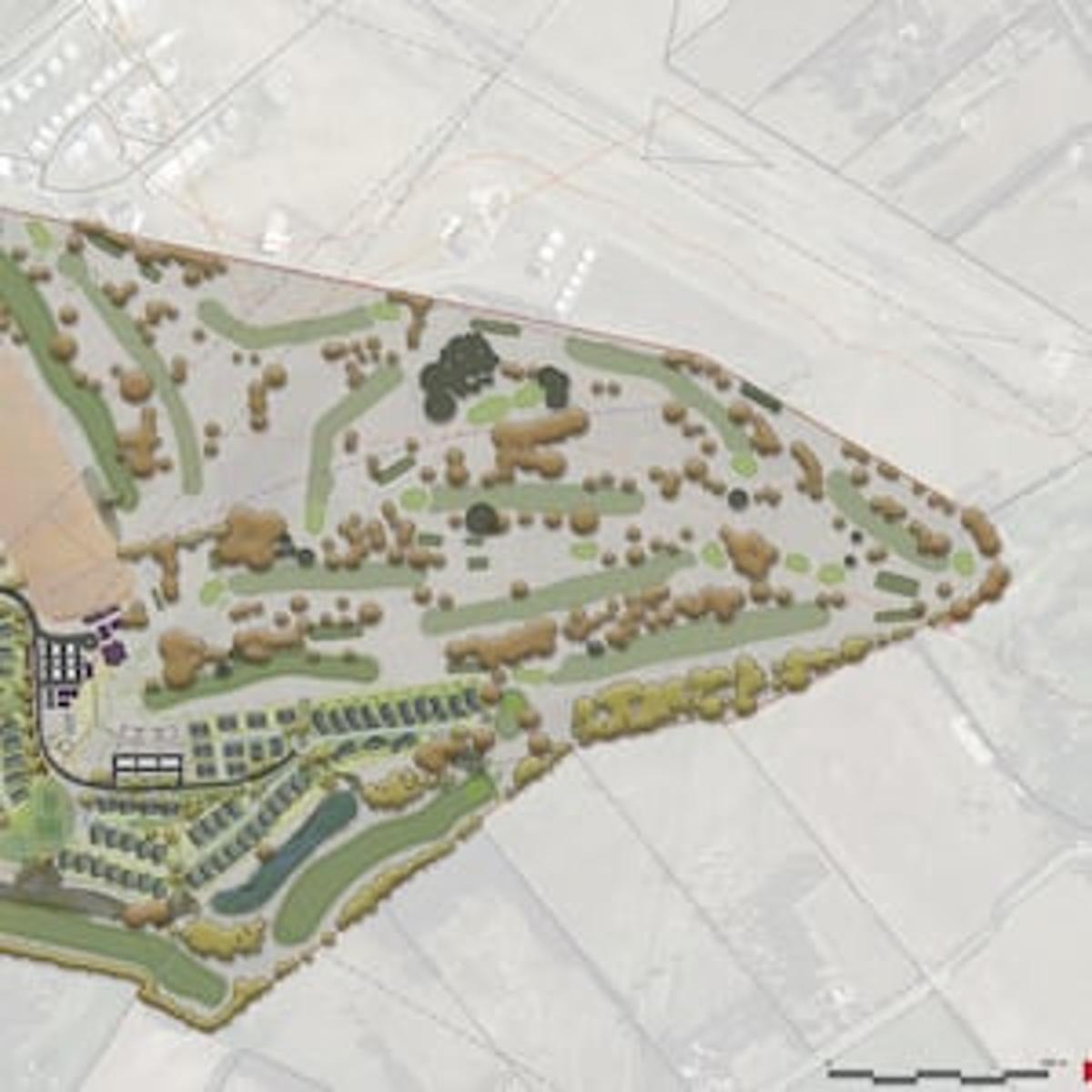
The Hastings region is grappling with a dual demand for housing and economic diversification. A proposal from Golf Sport Development Limited Partnership seeks to rezone 82 hectares surrounding the historic Hastings Aerodrome, allowing the construction of 170 residential units on land owned by the local golf club. The development would sit on the eastern flank of the course, directly under an active flight path that supports roughly 40,000 aircraft movements a year. Proponents argue the project will boost tourism by turning the club into a destination featuring two world‑class courses.
The centerpiece of the controversy is a “no‑complaint covenant” that would legally prevent future homeowners from raising objections to aerodrome operations. Critics, including a 2025 planning report, label the covenant a weak mitigation tool, warning that it could be challenged and may not address “reverse sensitivity” – the risk that residential development erodes the airport’s long‑term viability. An independent consenting panel has asked the developers to submit a revised “inter partes no‑complaint land covenant” by May 22, signalling that the original proposal does not satisfy statutory safeguards.
If approved, the rezoning would set a rare precedent for binding residents to silence on aviation matters, a model that could ripple through New Zealand’s broader land‑use framework. Municipalities may face pressure to adopt similar covenants to fast‑track housing projects near airports, potentially compromising community oversight and safety standards. Conversely, a rejection could reinforce the principle that infrastructure assets like regional aerodromes retain protected status against encroaching development. Stakeholders—from local councils to aviation operators—are watching the panel’s decision closely, as it will shape the balance between growth and the preservation of critical transport corridors.
Hastings housing, golf plan near aerodrome: ‘No-complaint covenant’ in spotlight
Comments
Want to join the conversation?
Loading comments...