Healthy Homes: The Next Big Real Estate Payday
Why It Matters
Health‑centric design is reshaping real‑estate valuation, creating new revenue streams and expanding the market beyond affluent buyers. Developers that embed measurable wellness features gain a competitive edge as consumers prioritize long‑term health outcomes.
Key Takeaways
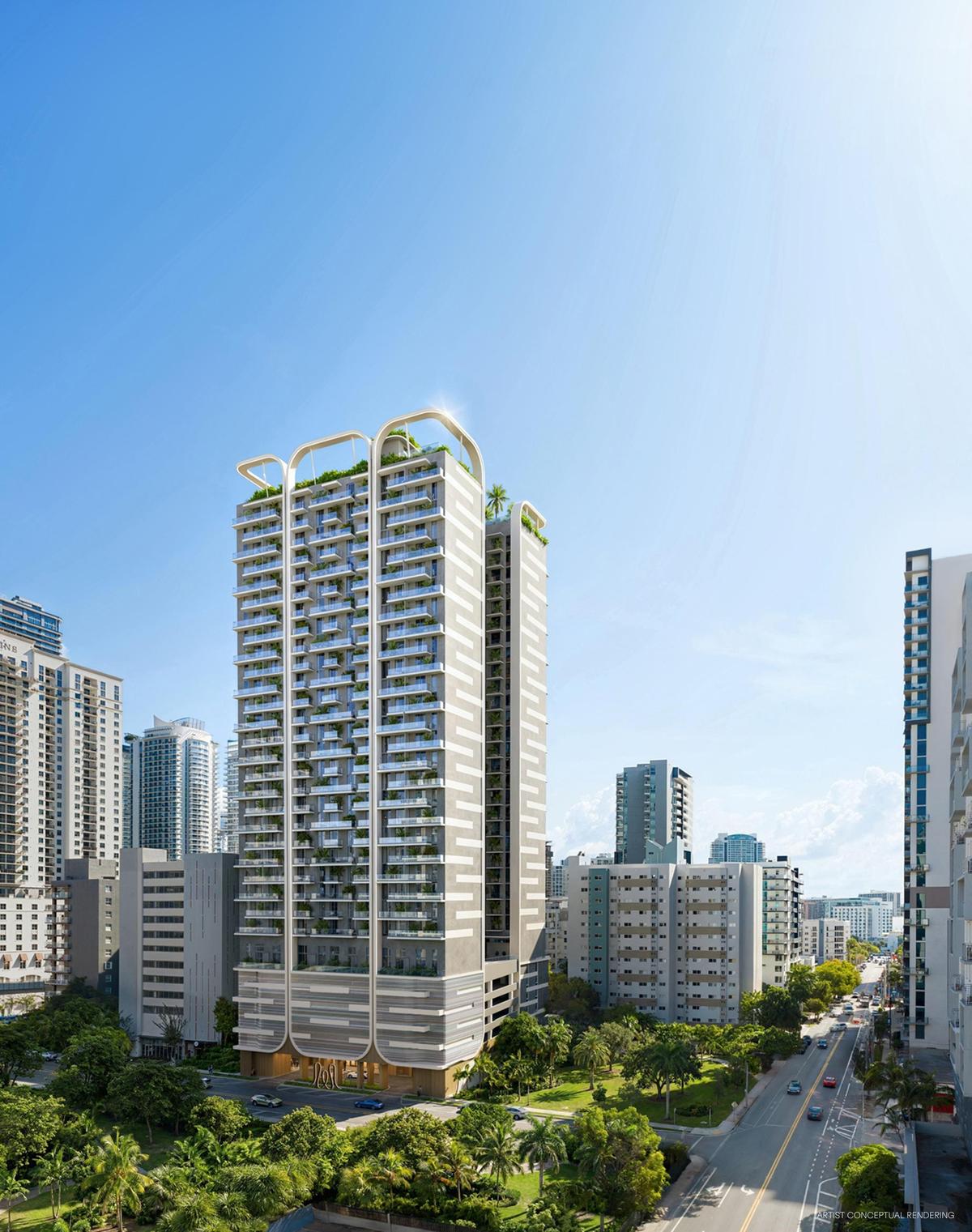
- •Miami's House of Wellness offers $390k units with full-service wellness
- •Luxury towers charge $2.5M‑$4.4M for integrated health features
- •Developers cite air, water, lighting as baseline buyer expectations
- •Emerging wellness certifications aim to standardize health performance metrics
- •Affordable projects signal market shift toward mass‑market healthy homes
Pulse Analysis
The rise of "healthy homes" marks a fundamental pivot in residential development, driven by mounting evidence that indoor environments influence chronic disease risk, sleep quality, and cognitive performance. As consumers become more health‑savvy, developers are leveraging low‑VOC paints, UV‑filtered HVAC systems, and biophilic design to differentiate projects. This trend aligns with broader wellness economics, where the global market for health‑focused real estate is projected to exceed $200 billion by 2030, prompting investors to reassess asset valuations based on measurable air and water quality metrics rather than purely aesthetic amenities.
In practice, the integration of wellness technology is becoming increasingly granular. Projects like the Ritz‑Carlton Residences and Ytech’s Brickell tower embed circadian lighting, high‑efficiency water purification, and acoustic isolation directly into the building envelope, commanding price premiums of $2.5‑$4.4 million per unit. Meanwhile, North Development’s House of Wellness demonstrates that these features can be scaled to the $390,000 segment, offering on‑site nutritionists, mental‑health programming, and a dedicated wellness app. By quantifying benefits—such as reduced particulate matter, lower VOC exposure, and improved sleep latency—developers can substantiate higher rents or sales prices, while residents experience tangible health gains without additional effort.
Looking ahead, the industry is moving toward standardized health certifications that go beyond LEED’s sustainability focus. Emerging frameworks aim to certify indoor air quality, water safety, lighting ergonomics, and acoustic performance, providing a common language for investors and buyers. As wellness becomes a baseline expectation, developers who embed these systems at the design stage will likely capture premium market share, while affordable‑focused projects will democratize access to healthier living environments. This evolution promises to reshape financing models, insurance risk assessments, and long‑term asset performance, positioning healthy homes as a cornerstone of future real‑estate strategy.
Healthy Homes: The Next Big Real Estate Payday
Comments
Want to join the conversation?
Loading comments...