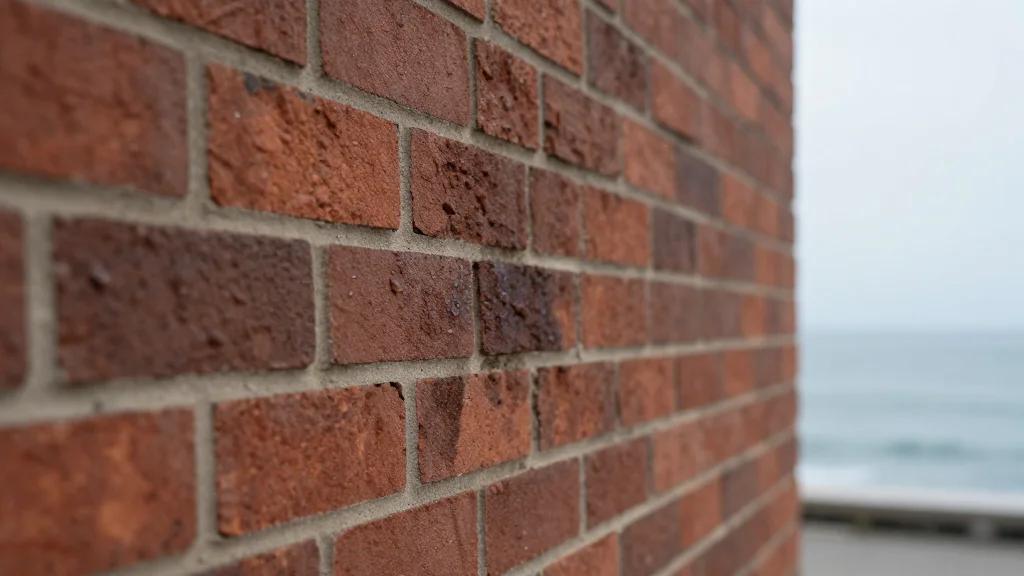
Hidden Cost of Moisture in Long Beach Coastal Properties
Why It Matters
Undetected moisture erodes structural integrity and indoor air quality, driving costly repairs and devaluing commercial real estate in a high‑growth market. Effective, IICRC‑standard drying protects investments and tenant health in coastal zones.
Key Takeaways
- •Coastal humidity lowers drying potential, trapping moisture in building envelopes.
- •Psychrometric drying pulls vapor from concrete and drywall, preventing hidden moisture.
- •Salt-laden air accelerates metal corrosion and mold growth in untreated structures.
- •IICRC-standard protocols safeguard asset value amid Long Beach redevelopment surge.
- •Specialized teams reduce long-term repair costs by neutralizing vapor pressure differentials.
Pulse Analysis
Long Beach’s proximity to the Pacific Ocean creates a moisture paradox that challenges conventional water‑damage remediation. While inland properties benefit from lower relative humidity, coastal buildings contend with saturated air that hinders natural drying. Technicians must therefore apply psychrometry—the science of air‑vapor mixtures—to manipulate vapor‑pressure differentials, drawing moisture out of dense substrates such as concrete subfloors and commercial‑grade drywall. This nuanced approach goes beyond simple water extraction, targeting the invisible pockets of humidity that can remain for weeks if left untreated.
The financial stakes of ignoring hidden moisture are substantial. Salt‑laden breezes accelerate oxidation of steel fasteners, reinforcing bars and other structural components, while persistent dampness fuels mold colonies that degrade indoor air quality and trigger health liabilities. For commercial owners, these hidden defects translate into accelerated depreciation, higher insurance premiums, and costly tenant turnover. Quantifying the risk, industry studies show that mold‑related remediation can exceed $30,000 per affected square foot in high‑value office spaces, underscoring the importance of proactive mitigation.
Best‑practice restoration in the LA Basin now hinges on IICRC‑certified drying protocols combined with localized climate data. Firms like Jackson Restoration leverage portable dehumidifiers, high‑velocity air movers, and real‑time moisture monitoring to achieve target equilibrium‑relative‑humidity levels swiftly. As Long Beach experiences a surge in mixed‑use redevelopment, property managers who invest in scientifically driven moisture control protect both the structural lifespan of their assets and the health of occupants, ultimately preserving market competitiveness in a tight commercial real‑estate landscape.
Hidden Cost of Moisture in Long Beach Coastal Properties
Comments
Want to join the conversation?
Loading comments...