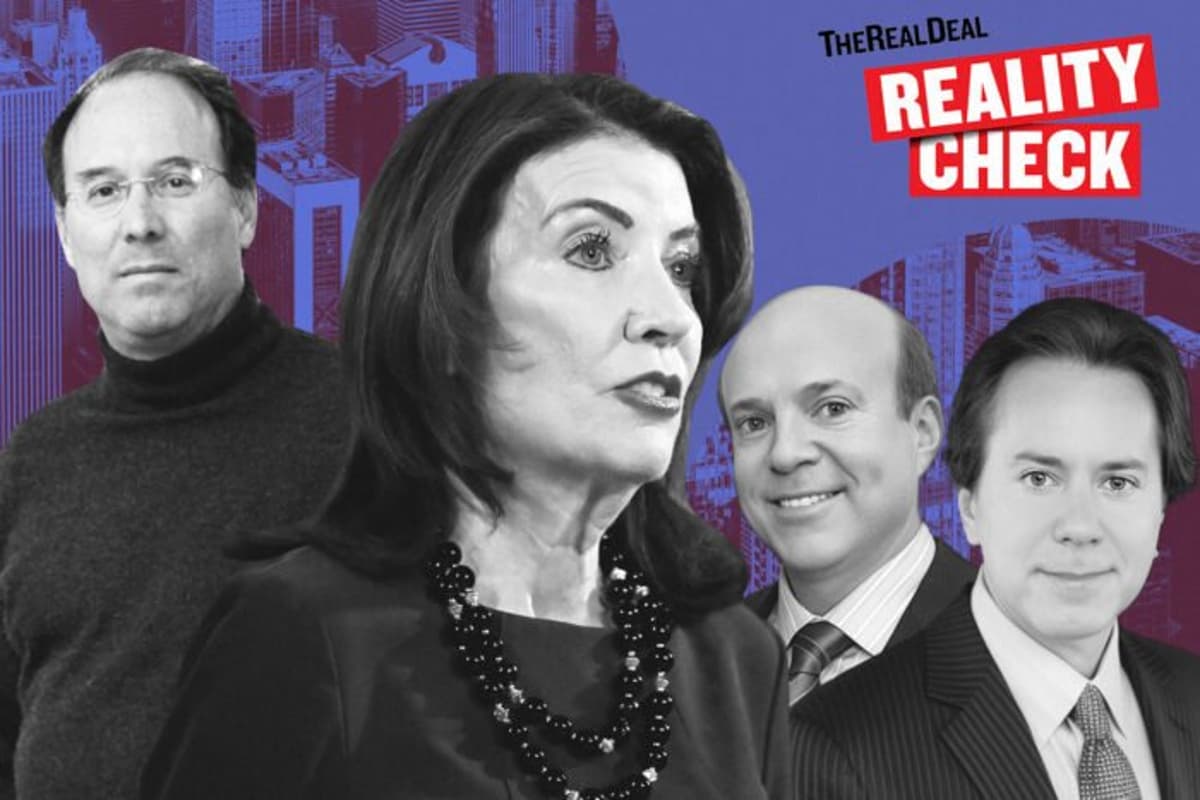
Hochul Outmaneuvers Real Estate with Surprise Pied-À-Terre Tax
Why It Matters
The tax creates a new, recurring revenue stream for New York while sidestepping income‑tax hikes, and it could reshape the luxury housing market by lowering the attractiveness of high‑value second homes.
Key Takeaways
- •Hochul proposes $500M annual tax on NYC second homes over $5M.
- •Tax targets luxury pied‑à‑terres, recurring unlike 2019 transfer tax.
- •Real estate groups lack time to mount opposition before budget deadline.
- •Politically, tax sidesteps income‑tax pledge and appeals to voters.
- •Expected revenue helps close NYC mayor’s $5.4B budget shortfall.
Pulse Analysis
Governor Hochul’s pied‑à‑terre tax marks a strategic shift in New York’s fiscal toolkit. By levying an annual charge on secondary residences worth $5 million or more, the state moves away from the one‑off transfer taxes that were introduced in 2019 to fund subway repairs. The recurring nature of the levy means owners will face ongoing costs, potentially dampening demand for ultra‑luxury condos and co‑ops that have traditionally attracted foreign investors and out‑of‑state buyers. Real‑estate lobbyists, who successfully swapped a transfer tax for a transit‑funding measure seven years ago, now find themselves scrambling for a response as the budget deadline looms.
Politically, the tax is a calculated win for Hochul. It sidesteps her pledge not to raise income taxes while delivering a visible revenue source that can be touted as a fairness measure—targeting the wealthiest property owners who rarely vote locally. The $500 million projected haul directly supports Mayor Zohran Mamdani’s effort to bridge a $5.4 billion budget shortfall, easing tensions between Albany and the city. Early polling suggests broad voter support for higher taxes on luxury second homes, giving legislators a low‑risk path to approve the measure without alienating their constituencies.
For the real‑estate market, the recurring tax could compress prices for high‑end pied‑à‑terres, as buyers factor in the additional annual expense. Developers may shift focus toward more affordable segments or explore incentives to offset the new cost. Over time, the tax could also influence the composition of ownership, nudging foreign investors toward other U.S. markets with less aggressive property levies. While the immediate impact on transaction volume may be modest, the policy signals a tougher regulatory environment for New York’s luxury housing sector, prompting stakeholders to reassess investment strategies.
Hochul outmaneuvers real estate with surprise pied-à-terre tax
Comments
Want to join the conversation?
Loading comments...