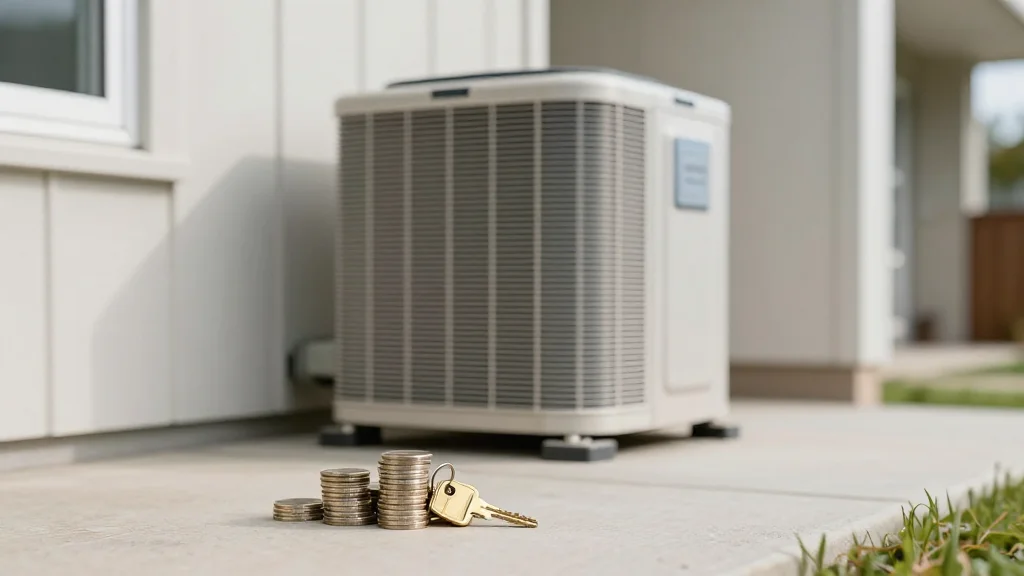
Home Equity Loan for HVAC: What You Need to Know
Key Takeaways
- •Home equity loans require 15‑20% equity after borrowing.
- •Rates lower than credit cards, fixed payments simplify budgeting.
- •Approval takes 3‑6 weeks, not ideal for emergencies.
- •Missed payments risk foreclosure since home is collateral.
- •Alternatives include HELOCs, cash‑out refinance, personal loans.
Pulse Analysis
Rising energy bills and stricter building codes have pushed many homeowners toward high‑efficiency HVAC systems, which often carry price tags between $7,000 and $15,000. While cash reserves are ideal, most families lack the liquidity to cover such large, unexpected expenses. Home equity financing has emerged as a popular bridge, leveraging the appreciation many properties have seen over the past decade. By converting built‑in wealth into a lump‑sum loan, borrowers can lock in a rate that is typically lower than unsecured credit cards or personal loans, preserving cash flow for other priorities.
A home equity loan functions as a second mortgage, allowing lenders to fund up to 80‑85% of a property's appraised value after subtracting the existing mortgage balance. Borrowers must retain at least 15‑20% equity post‑draw, maintain a credit score around 680, and meet debt‑to‑income thresholds below 43%. The fixed‑rate structure offers budgeting certainty, and interest may be tax‑deductible when used for substantial home improvements, though homeowners should confirm eligibility with a tax professional. The trade‑off is the collateral risk: missed payments can trigger foreclosure, and closing costs—often 2‑5% of the loan amount—add to the overall expense.
Consumers weighing financing options should compare the home equity route against HELOCs, cash‑out refinancing, personal loans, and dealer‑offered promotions. HELOCs provide flexible draw periods but feature variable rates, while cash‑out refinancing can deliver lower rates at the cost of higher upfront fees and a longer loan term. Personal loans and credit‑card offers deliver speed, yet their higher interest rates erode savings on large projects. Ultimately, the best choice aligns with the homeowner’s equity position, urgency of the HVAC replacement, and tolerance for risk, ensuring the financing method supports both immediate comfort and long‑term financial health.
Home Equity Loan for HVAC: What You Need to Know
Comments
Want to join the conversation?