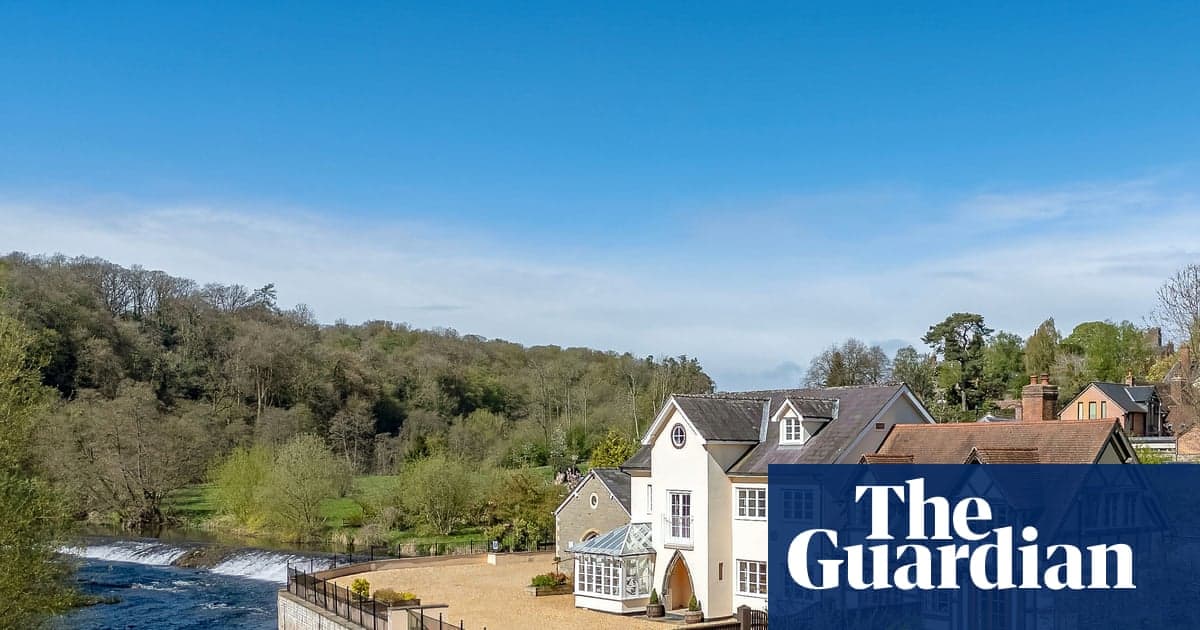
Homes for Sale in Converted Mills in England and Scotland – in Pictures
Companies Mentioned
Why It Matters
Mill conversions command premium prices, signalling strong investor appetite for heritage homes and expanding the luxury rural‑urban property market.
Key Takeaways
- •Mill conversions sell from $0.7M to $2.13M
- •Listings span rural Cumbria to central London
- •Heritage features retained, adding premium appeal
- •Limited supply drives niche buyer interest
Pulse Analysis
The resurgence of historic mill conversions reflects a broader trend in the UK real estate market: buyers are increasingly valuing properties that blend authentic heritage elements with modern living standards. From the Lake District’s Grade II‑listed five‑bedroom Mill House to a compact London apartment that preserves Victorian warehouse details, each listing showcases how developers and owners retain original water‑wheels, millstones and vaulted rooms to differentiate their offerings. This approach not only preserves cultural landmarks but also creates a scarcity premium that justifies price points well above comparable new builds.
Geographically, the portfolio spans rural strongholds in Cumbria, Aberdeenshire and the Norfolk‑Suffolk border, as well as high‑density urban settings like Shad Thames. Rural mill homes appeal to affluent buyers seeking privacy, extensive land, and direct water access, often accompanied by exclusive rights such as fishing privileges. In contrast, urban conversions cater to professionals who desire historic character within walking distance of city amenities, leveraging the growing demand for unique, story‑rich residences in prime locations. Both segments benefit from limited inventory, driving competitive bidding and reinforcing the niche’s resilience amid broader market fluctuations.
Investors should note that heritage properties come with regulatory considerations, including listed‑building consents and preservation obligations that can affect renovation timelines and costs. However, the premium attached to authentic features—exposed beams, original mill wheels, and period‑era interiors—often translates into higher resale values and rental yields, especially in markets that value experiential living. As climate‑focused buyers seek properties with sustainable attributes, the adaptive reuse of historic mills also offers opportunities for eco‑friendly retrofits, further enhancing their long‑term appeal and positioning them as attractive assets in diversified real‑estate portfolios.
Homes for sale in converted mills in England and Scotland – in pictures
Comments
Want to join the conversation?
Loading comments...