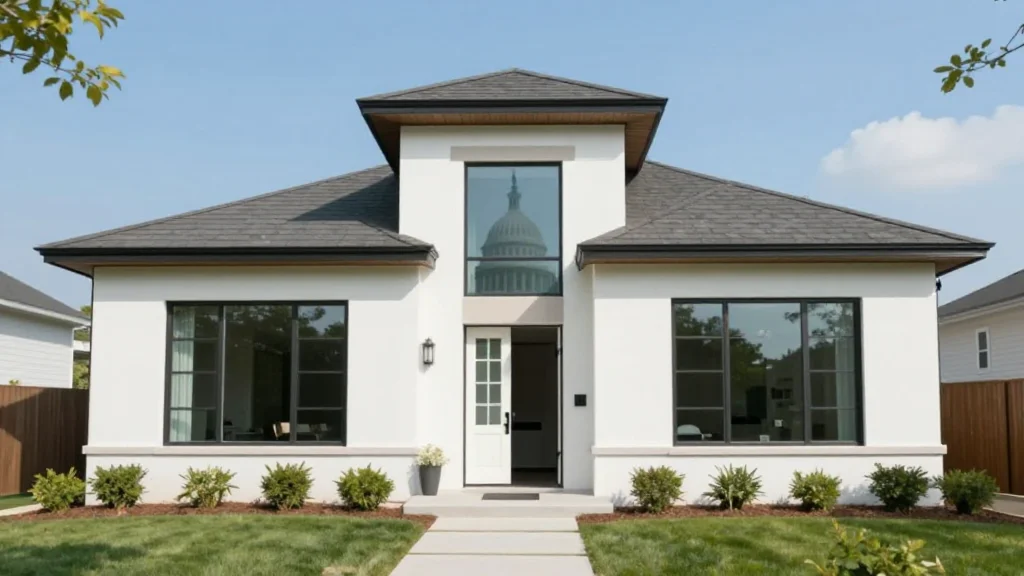
Housing Energy Efficiency Requirements Rescinded by HUD, USDA
Why It Matters
Eliminating the IECC cost premium could accelerate housing production and make federally backed loans accessible to more developers, directly addressing the nation’s acute housing shortage. The decision also signals a broader regulatory shift toward deregulation under the current administration.
Key Takeaways
- •IECC added roughly $20,000 to average new‑home construction cost
- •Rescinding standards eliminates cost barrier for federal loan eligibility
- •NAHB says rollback will increase affordable housing supply nationwide
- •U.S. District Court in Texas blocked IECC after NAHB lawsuit
- •Administration aims to cut red tape to address millions‑home shortage
Pulse Analysis
The International Energy Conservation Code, adopted in 2021, introduced stringent insulation, HVAC, and lighting requirements that many builders argued inflated construction budgets. While the code was championed by environmental groups for reducing utility consumption, industry analyses estimated the compliance burden added $9,600 to $21,400 per unit, varying by climate zone. By rescinding the mandate, HUD and USDA remove a financial hurdle that previously disqualified projects from accessing low‑interest federal loans, potentially unlocking billions in development capital.
The rollback aligns with President Trump's broader agenda to streamline regulations that he claims stifle economic growth. After NAHB and a coalition of states sued, the Eastern District of Texas issued an injunction, effectively pausing the rule’s enforcement. The administration’s swift reversal underscores a political calculus that prioritizes housing supply over incremental energy savings, positioning deregulation as a tool to combat soaring home prices and dwindling first‑time buyer participation.
For the housing market, the policy shift could translate into faster permitting cycles and lower entry costs for developers, especially in high‑cost regions where energy standards were most burdensome. However, critics warn that abandoning the IECC may erode long‑term sustainability goals and increase future utility expenses for homeowners. The trade‑off between immediate affordability and environmental performance will likely shape upcoming debates on building‑code reforms and federal loan programs.
Housing energy efficiency requirements rescinded by HUD, USDA
Comments
Want to join the conversation?
Loading comments...