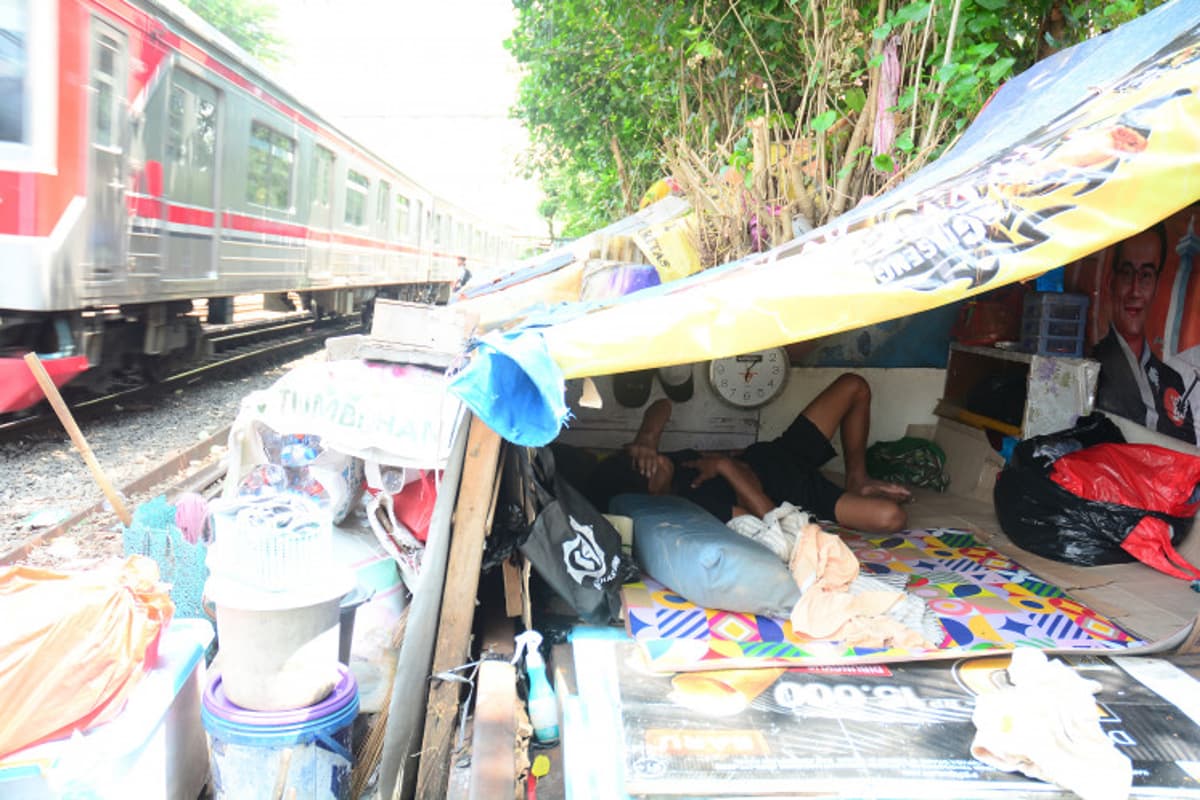
Housing Project Launched for Senen Shantytown Dwellers
Why It Matters
The development directly addresses Jakarta’s chronic informal‑settlement crisis and demonstrates the government’s commitment to scaling affordable housing in high‑density urban zones.
Key Takeaways
- •324 housing units under construction on 1.6‑hectare plot
- •Project aims to finish houses by mid‑June 2026
- •Each unit 20.2 sqm, includes two beds and fan
- •State‑owned PT Angkasa Pura provides land for development
- •Minister targets 3 million homes annually nationwide
Pulse Analysis
Jakarta’s rapid urbanization has left thousands living in precarious informal settlements, straining municipal services and public health. The Senen shantytown, perched alongside railway tracks for decades, epitomizes the challenge: dense, unsafe dwellings far from basic amenities. Recognizing the social and economic costs, the Indonesian government has intensified its public‑housing agenda, earmarking strategic state‑owned land for redevelopment. By converting a former airport‑operator parcel into a residential enclave, officials aim to set a precedent for repurposing underutilized assets in other congested districts.
The Senen project, announced after President Prabowo Subianto’s on‑site visit, involves 324 compact homes built by PT Wijaya Karya. Each 20.2 square‑metre unit comes equipped with two beds, a cupboard and a fan, while communal facilities such as kitchens, a playground and a mosque foster community cohesion. The shift from an earlier plan for low‑cost apartment towers to single‑family houses reflects a pragmatic response to resident preferences and construction timelines, with 470 workers slated to complete the complex by mid‑June. This rapid rollout not only provides immediate shelter but also integrates the new community into Jakarta’s formal urban fabric.
Beyond the local impact, the Senen initiative signals a broader policy thrust: Minister Ara Sirait’s ministry is tasked with delivering three million homes annually for low‑ and middle‑income families nationwide. Leveraging state‑owned land in prime urban locations could accelerate that ambition, reducing reliance on costly private acquisitions. Politically, the project reinforces President Prabowo’s platform of tangible welfare delivery, potentially bolstering public support ahead of upcoming elections. If successful, the model may be replicated across Indonesia’s megacities, offering a scalable pathway to alleviate housing deficits while revitalizing underused parcels of land.
Housing project launched for Senen shantytown dwellers
Comments
Want to join the conversation?
Loading comments...