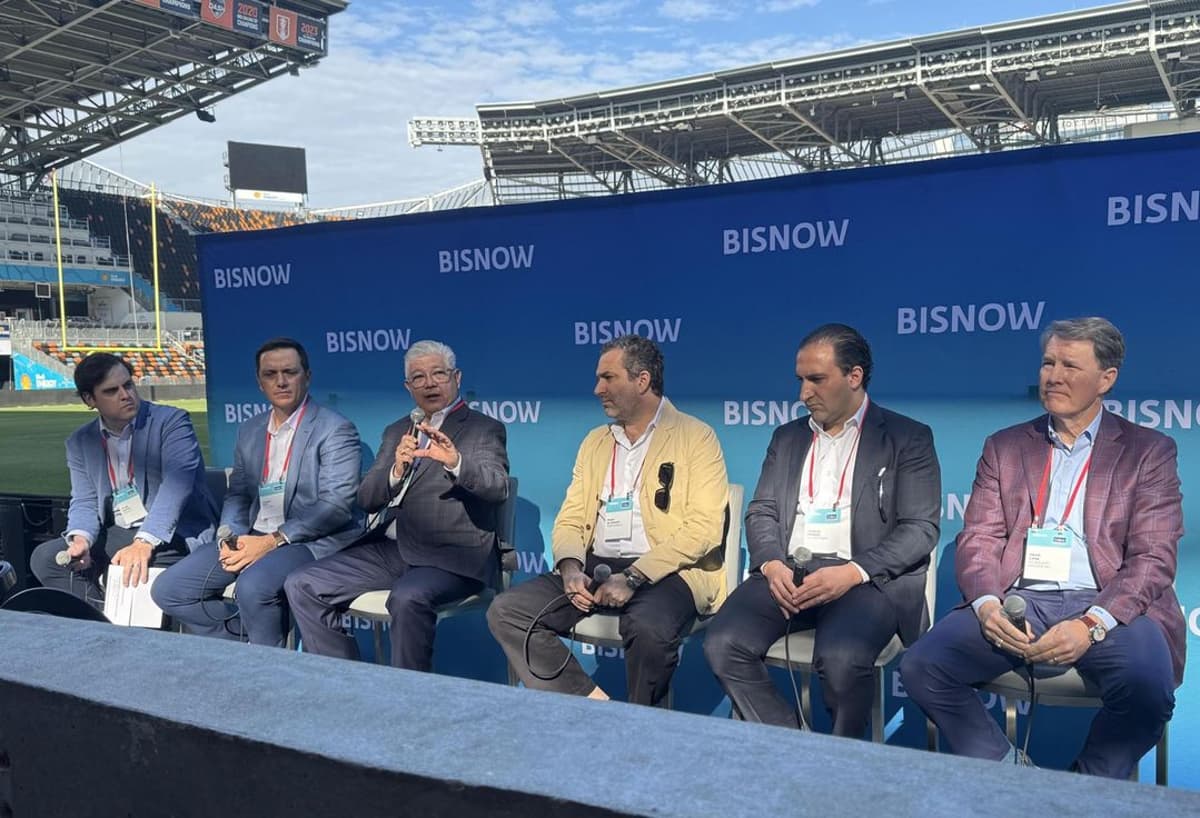
Houston Mixed-Use, Urban Core Development Pace Is 'Off The Charts'
Companies Mentioned

Why It Matters
The rapid shift to blended‑use projects unlocks new revenue streams and makes large‑scale urban development financially viable, positioning Houston as a leading growth market in the Sun Belt. Investors and city planners must adapt to the evolving demand for walkable, multi‑purpose environments.
Key Takeaways
- •Perkins & Will reports record proposal volume across all Houston sectors
- •Developers favor blended‑use projects to offset rising infrastructure costs
- •NewQuest diversifies retail with car washes, medical and entertainment uses
- •Houston’s minimal zoning and fast permitting attract capital for mixed‑use
- •Parking exemptions in EaDo and Midtown boost walkable development
Pulse Analysis
Houston’s mixed‑use boom reflects a broader industry pivot toward blended‑use concepts that combine office, residential, retail, and niche functions like aviation or cultural venues. Developers cite soaring infrastructure expenses as a catalyst for stacking complementary uses, which spreads risk and drives foot traffic. Firms such as Perkins & Will and NewQuest are flooding the market with proposals, leveraging abundant capital and a receptive investor base that rewards projects delivering high velocity sales, as seen with the Ritz‑Carlton Residences launch.
Walkability and parking solutions are the linchpins of Houston’s urban revitalization. The city’s market‑based parking exemptions, extended to East Downtown and Midtown, enable developers to reduce costly surface lots and integrate structured garages that preserve pedestrian-friendly streetscapes. Projects like Central Park Post Oak and the upcoming Ritz‑Carlton on Post Oak Boulevard illustrate how mixed‑use campuses can create a “Billionaires’ Row” effect, blending luxury housing, office space, and amenity‑rich retail to attract affluent buyers and tenants.
Compared with peers such as Austin, Denver, and Washington, D.C., Houston enjoys minimal zoning constraints and a permitting timeline that rarely exceeds six months. This regulatory agility, combined with a surge of large‑footprint retailers re‑entering the market, gives developers a competitive edge in launching complex, high‑density projects. As the city continues to refine parking policies and invest in walkable corridors, the momentum behind blended‑use development is likely to sustain, making Houston a benchmark for other Sun Belt metros seeking to accelerate urban core growth.
Houston Mixed-Use, Urban Core Development Pace Is 'Off The Charts'
Comments
Want to join the conversation?
Loading comments...