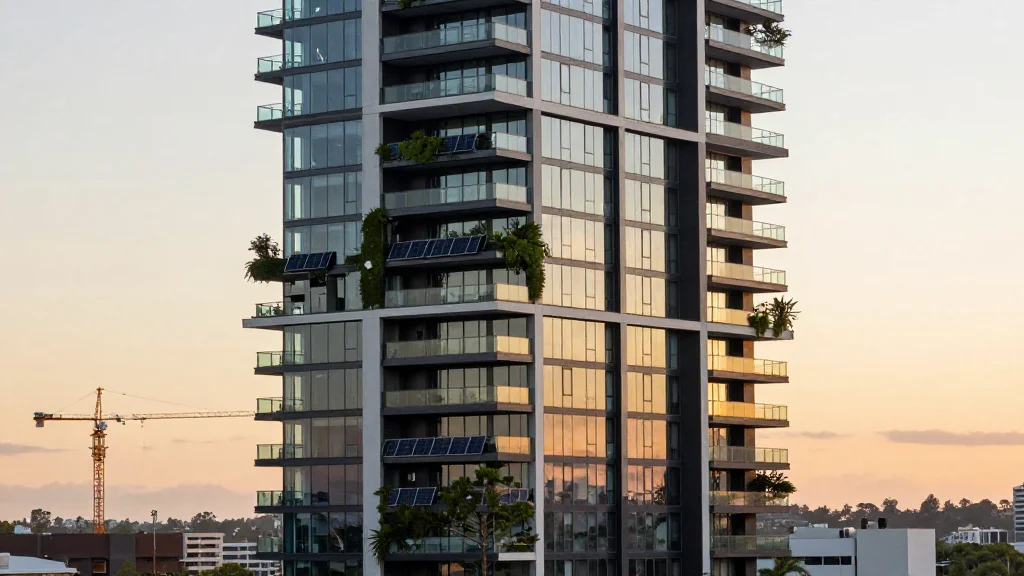
How Australia Can Deliver Better, More Sustainable Build-to-Rent Housing
Why It Matters
BtR offers a dual solution: it expands housing supply while elevating rental quality, delivering stable, sustainability‑linked returns for institutional investors and lower living costs for tenants.
Key Takeaways
- •39,000 apartments in 100+ BtR projects, $30bn AUD (~$20bn USD) capital.
- •Projected 250,000 BtR units by 2050, ~10% of market.
- •Energy‑efficient BtR buildings cut utility bills and boost tenant retention.
- •Green Star certification links sustainability to lower operating costs and financing.
- •Early design decisions determine long‑term performance, not retrofits.
Pulse Analysis
The Build‑to‑Rent model is reshaping Australia’s rental landscape at a time when the nation faces a chronic housing shortage. By aggregating capital from institutional investors, developers can achieve economies of scale that traditional landlords cannot, accelerating delivery of high‑density apartments in urban corridors. Compared with the United States, where BtR accounts for roughly 5% of new rentals, Australia’s projected 10% share by 2050 signals a strategic pivot toward purpose‑built rental communities that can meet growing demand without over‑relying on owner‑occupied construction.
Sustainability is no longer a niche add‑on but a core financial metric in BtR projects. Green Star certification provides a transparent benchmark for energy performance, indoor environmental quality and material durability, translating into measurable cost savings. Studies show certified buildings can reduce utility expenses by up to 20%, directly enhancing tenant affordability and boosting lease renewal rates. For investors, these efficiencies lower operating risk and open access to green financing instruments, aligning long‑term asset returns with ESG mandates that are increasingly required by pension funds and sovereign wealth entities.
The decisive factor for BtR’s long‑term impact lies in early‑stage decision‑making. Choices around electrification, passive design, and high‑performance envelope materials lock in operational performance for decades, whereas retrofits become prohibitively expensive. Policymakers can accelerate this transition by streamlining approvals for sustainable building codes and offering incentives for Green Star compliance. As the sector matures, a well‑designed BtR portfolio could set a new benchmark for rental quality, delivering both social benefits for residents and resilient, low‑carbon returns for capital providers.
How Australia can deliver better, more sustainable Build-to-Rent housing
Comments
Want to join the conversation?
Loading comments...