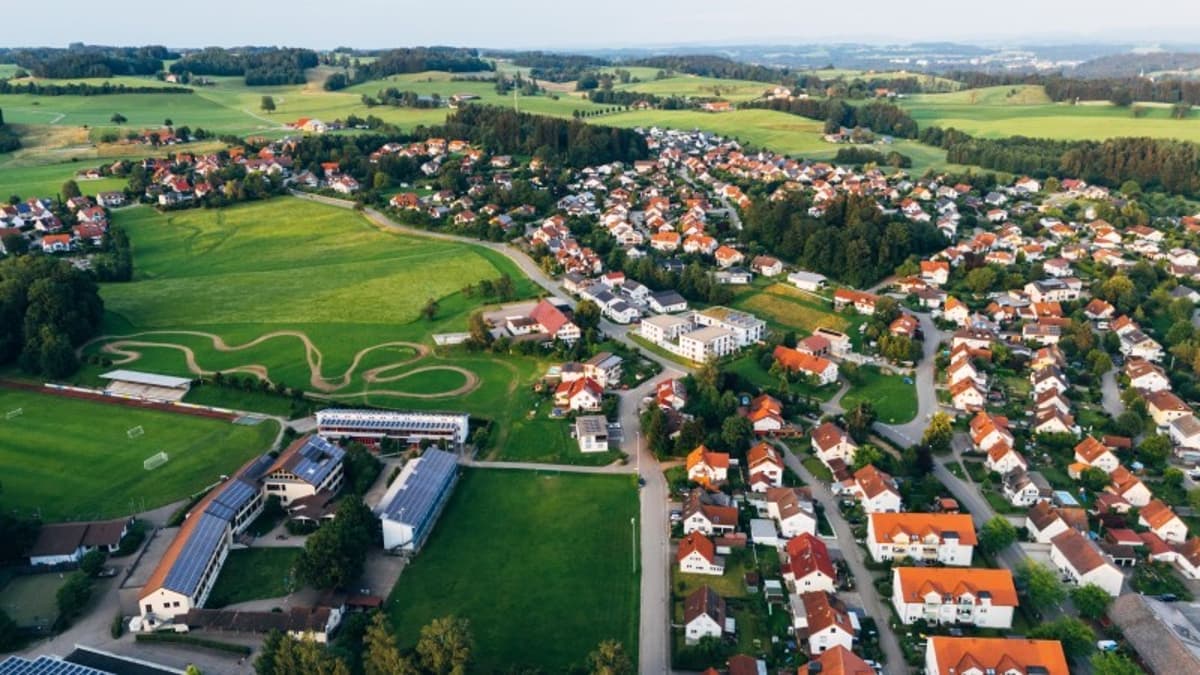
How Demographics Will Reshape the German Housing Market
Why It Matters
The demographic shift reshapes where and what type of housing is needed, forcing developers, investors, and policymakers to address fragmented regional imbalances. Ignoring these trends could exacerbate urban affordability crises and rural vacancy spirals.
Key Takeaways
- •One‑person households up 20% in 25 years
- •Households grew to 41 million despite population decline
- •Urban areas face shortages; rural areas see vacancies
- •Housing demand stable by 2040, but size and location shift
- •Younger renters increasingly unable to buy in preferred cities
Pulse Analysis
Germany’s demographic trajectory is defined by an ageing population and a shrinking workforce, with the German Statistical Office projecting a loss of roughly 2.5 million residents by 2040. Paradoxically, the total number of households has risen from 37 million in 2000 to over 41 million today, driven by a 20% increase in one‑ and two‑person homes. This structural shift means that overall housing demand will remain resilient, but the composition of that demand is changing, favoring smaller, more flexible living spaces.
The regional divide is already stark. Urban centres such as Berlin and Hamburg report vacancy rates below 2%, indicating tight supply, while states like Mecklenburg‑Western Pomerania and Saxony‑Anhalt experience 5‑9% vacancies. Overcrowding affects roughly 17% of city households, compared with just 5% in rural zones, where many older homeowners occupy oversized properties. This duality creates simultaneous pressures: city dwellers struggle with affordability, and ageing regions risk prolonged vacancies, undermining local economies.
Looking ahead, two scenarios dominate. An optimistic view suggests rising urban prices could push families toward rural markets, easing city shortages and absorbing some vacancies. More likely, younger renters will stay city‑bound, keeping urban demand high and driving further price pressure, while rural areas see continued vacancy growth. Stakeholders—from developers to municipal planners—must therefore tailor strategies to local dynamics, prioritising smaller unit construction in cities and adaptive reuse or repurposing of excess rural stock to mitigate fragmentation across Germany’s housing landscape.
How demographics will reshape the German housing market
Comments
Want to join the conversation?
Loading comments...