How Downtown Sacramento Is Rebuilding Demand Through Social Collisions – Placer.ai Blog
•February 26, 2026
0
Why It Matters
The approach shows how cities can create resilient economic engines by designing demand rather than waiting for pre‑pandemic patterns to return, offering a replicable model for urban revitalization.
Key Takeaways
- •Over 200 events now drive downtown foot traffic.
- •Farm‑to‑Fork branding boosts leisure visitation.
- •Entertainment permits lower costs for local performances.
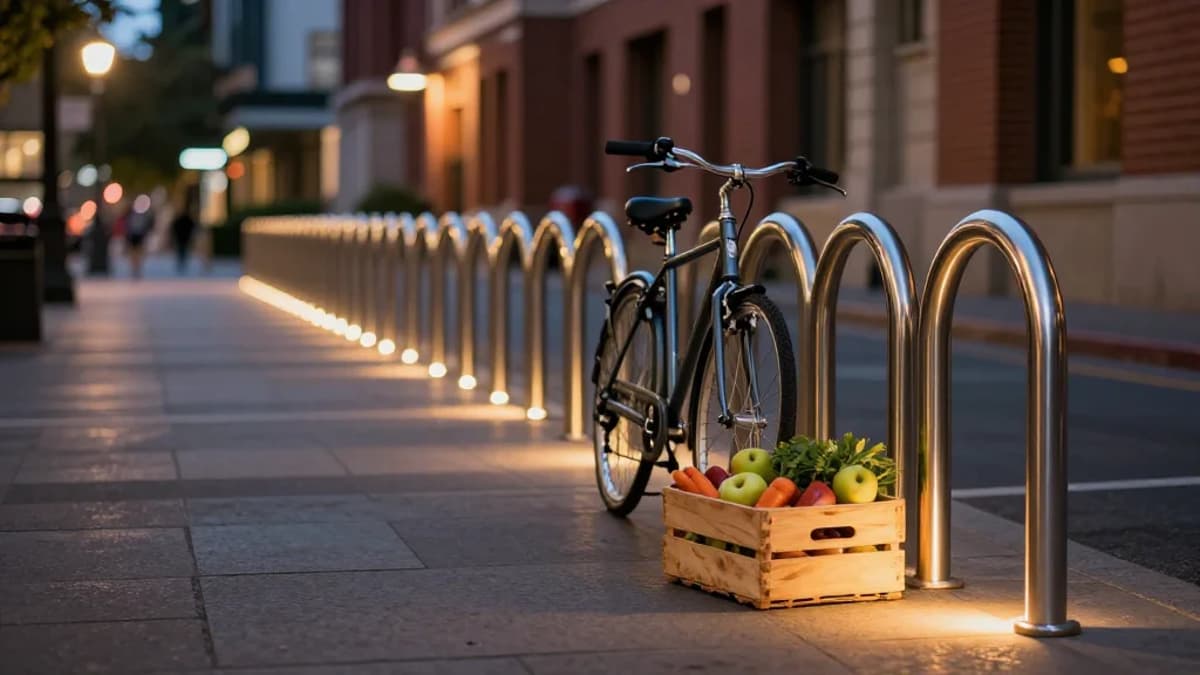
- •Illuminated corridor links anchors, enhances night economy.
- •Weekend out‑of‑market visits and dwell times increasing.
Pulse Analysis
Sacramento’s downtown revival hinges on a strategic pivot from reliance on traditional office and tourism flows to a deliberately curated mix of cultural, culinary and sporting experiences. By branding itself as the “Farm‑to‑Fork Capital of America” and hosting marquee events such as Terra Madre Americas, the city taps into regional identity to draw visitors who might otherwise bypass the area. This shift aligns with a broader urban trend where place‑based programming functions as a form of economic infrastructure, converting event‑day foot traffic into sustained retail and dining revenue.
The city’s policy toolkit reinforces this programming push. A limited entertainment permit removes generic regulatory hurdles, allowing brick‑and‑mortar venues to host low‑cost performances, while a six‑block illuminated pedestrian corridor creates a vibrant nighttime spine that visually links the Golden 1 Center, DOCO and surrounding anchors. Data from Placer.ai shows weekend out‑of‑market visits rising and dwell times lengthening, indicating that these “social collisions” are translating into deeper engagement with the urban core. Family‑focused events like the Sacramento Santa Parade attract affluent households, whereas younger‑skewing festivals such as the California Brewers Festival draw early‑career professionals, diversifying the visitor mix.
For other municipalities confronting structural shifts, Sacramento’s playbook underscores the value of designing demand rather than waiting for legacy patterns to re‑emerge. By investing in placemaking, flexible permitting and identity‑driven programming, cities can generate a self‑reinforcing cycle of foot traffic, spend and community vibrancy. As the model gains traction, it may reshape how urban economies prioritize cultural infrastructure as a core growth engine, positioning downtown districts as resilient hubs in a post‑pandemic landscape.
How Downtown Sacramento Is Rebuilding Demand Through Social Collisions – Placer.ai Blog
0
Comments
Want to join the conversation?
Loading comments...