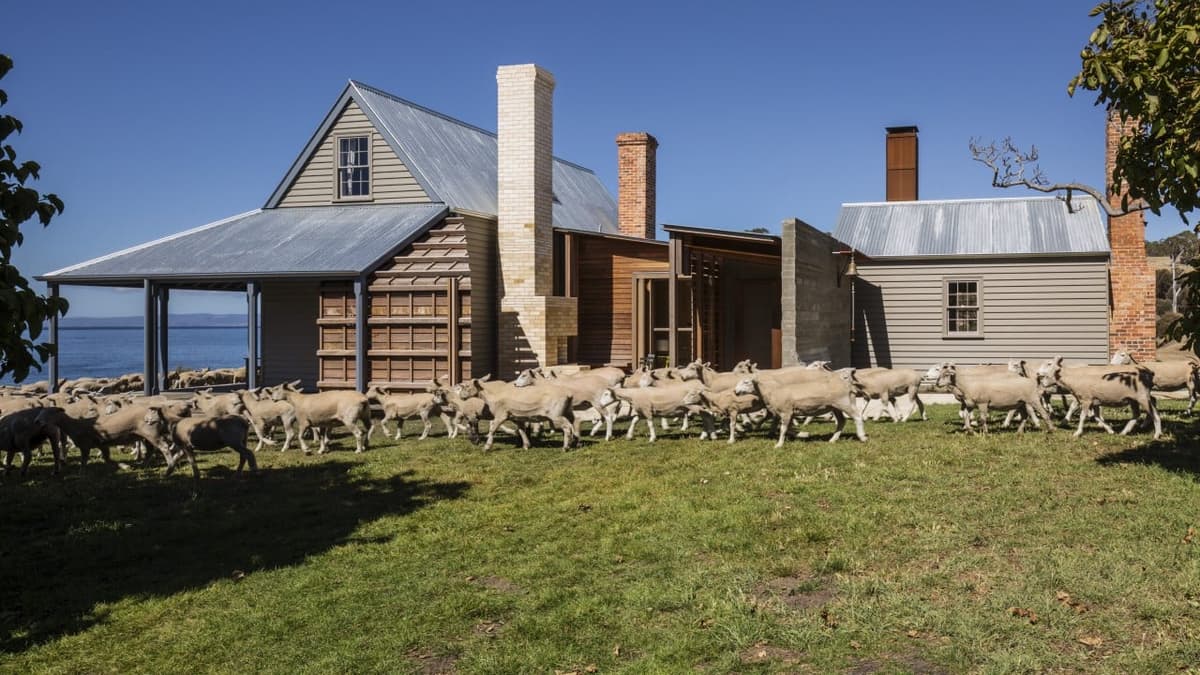
How the Beckhams and Ellen DeGeneres Are Inspiring the Cottagecore Trend in Urban Homes
Companies Mentioned
Why It Matters
Cottagecore’s rise signals a lucrative market for home‑goods brands and real‑estate developers targeting affluent consumers seeking rural retreats. It also reshapes consumer expectations around sustainability and handcrafted design.
Key Takeaways
- •Celebrities buying rural estates boost cottagecore popularity
- •New coffee‑table book showcases urban‑exile interiors
- •Cottagecore blends vintage textiles with natural materials for cozy vibe
- •Designers stress handmade pieces over full country‑house replication
- •Trend mirrors post‑COVID craving for simplicity and nature
Pulse Analysis
The pandemic sparked a mass migration from dense city cores to the open countryside, a pattern now cemented by a wave of celebrity purchases. When David Beckham acquired a beekeeping farm and Ellen DeGeneres settled on a 17‑hectare Cotswold estate, media coverage turned a niche aesthetic into a mainstream conversation. Analysts note that the influx of high‑net‑worth buyers has lifted demand for rural properties by double‑digit percentages in regions like the English Cotswolds and American Hudson Valley. This cultural shift fuels a broader appetite for lifestyle experiences that blend luxury with nature.
At the heart of the movement lies cottagecore, a design language that celebrates handcrafted textures, soft colour palettes, and vintage‑inspired patterns. The newly released *Cottagecore – New Countryside Living* coffee‑table book curates over a hundred interiors, highlighting how urban exiles incorporate ceramic bowls, reclaimed wood furniture, and linen throws to create intimate, Instagram‑ready spaces. Designers such as Guillaume Coutheillas argue that the goal is not to replicate a historic manor but to embed small, tangible moments of comfort into everyday life. Retailers have responded with curated collections that marry heritage fabrics with sustainable sourcing.
From a business perspective, cottagecore translates into tangible revenue streams across real estate, home‑goods, and e‑commerce. Luxury developers are marketing ‘country‑style’ villas with built‑in workshops, while brands like LoveShackFancy expand product lines to include eco‑friendly home décor. The emphasis on authenticity and sustainability aligns with Gen‑Z and millennial purchasing power, prompting investors to track the trend as a proxy for consumer sentiment toward slower, experience‑driven consumption. As the aesthetic matures, we can expect deeper integration of smart‑home technology that preserves the handcrafted feel while delivering modern convenience.
How the Beckhams and Ellen DeGeneres are inspiring the cottagecore trend in urban homes
Comments
Want to join the conversation?
Loading comments...