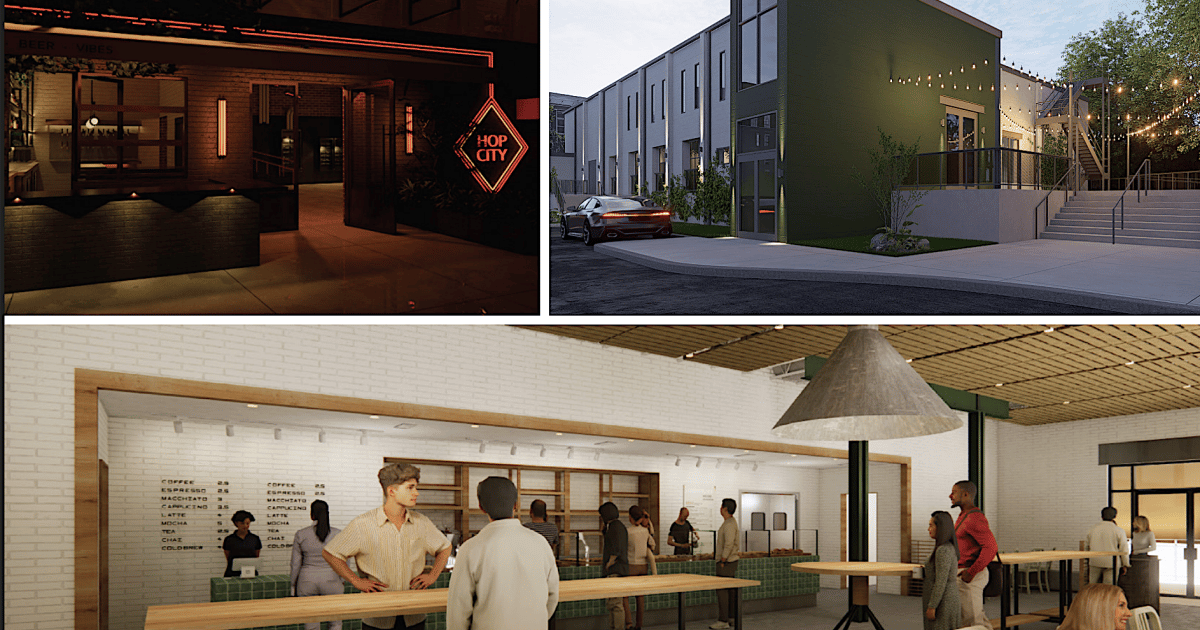
Images: Opening Nears for Atlanta's First Indoor Farmers Market
Why It Matters
The market brings year‑round, locally sourced food to an urban core, boosting Atlanta’s food‑tech ecosystem and creating new jobs in a growing industrial district. Its indoor format differentiates it from traditional outdoor markets, expanding consumer access and supporting regional agriculture.
Key Takeaways
- •Upper West Market repurposes 1385 Collier Road warehouse into indoor farmers market
- •33 stalls occupy 9,000 sq ft; 13,000 sq ft offices above
- •Opening slated for May 2025 after delays from original 2024 target
- •Tenants include chef Anne Quatrano’s Summerland Café and White Oak Pastures
- •All vendor stalls reserved exclusively for local producers
Pulse Analysis
Adaptive‑reuse projects are reshaping post‑industrial neighborhoods, and Atlanta’s Upper West Market is a prime example. By converting two vacant buildings near the Silver Comet Connector trail into a climate‑controlled marketplace, developers tap into a growing consumer appetite for fresh, local food while revitalizing an underutilized industrial corridor. The design, led by ASD/SKY and Genesis Engineering, blends a spacious 9,000‑square‑foot vendor hall with office lofts, creating a mixed‑use hub that mirrors successful European and West Coast markets such as London’s Borough Market and Seattle’s Pike Place.
The market’s tenant roster underscores its ambition to become a culinary destination. James Beard‑award‑winning chef Anne Quatrano will operate Summerland Café, while sustainable producer White Oak Pastures, local favorite Honeysuckle Gelato, and the Georgia Peach Truck secure a foothold. All 33 stalls are reserved for Atlanta‑based growers and artisans, guaranteeing a supply chain that stays within the region. An adjacent events space, WestHouse, will host cooking classes, seasonal festivals, and community gatherings, further integrating the market into the city’s cultural fabric.
Beyond food, Upper West Market signals a broader shift in urban development strategy. By anchoring a mixed‑use complex with a public‑oriented food hub, the city aims to generate jobs, attract ancillary businesses, and increase foot traffic along the emerging Silver Comet Connector corridor. The project also positions Atlanta to compete with established markets in the Southeast, offering year‑round accessibility that outdoor venues cannot match. If the May 2025 opening proceeds on schedule, the market could become a catalyst for similar indoor food‑hall concepts across the region, reinforcing Atlanta’s reputation as an innovative, growth‑focused metropolis.
Images: Opening nears for Atlanta's first indoor farmers market
Comments
Want to join the conversation?
Loading comments...