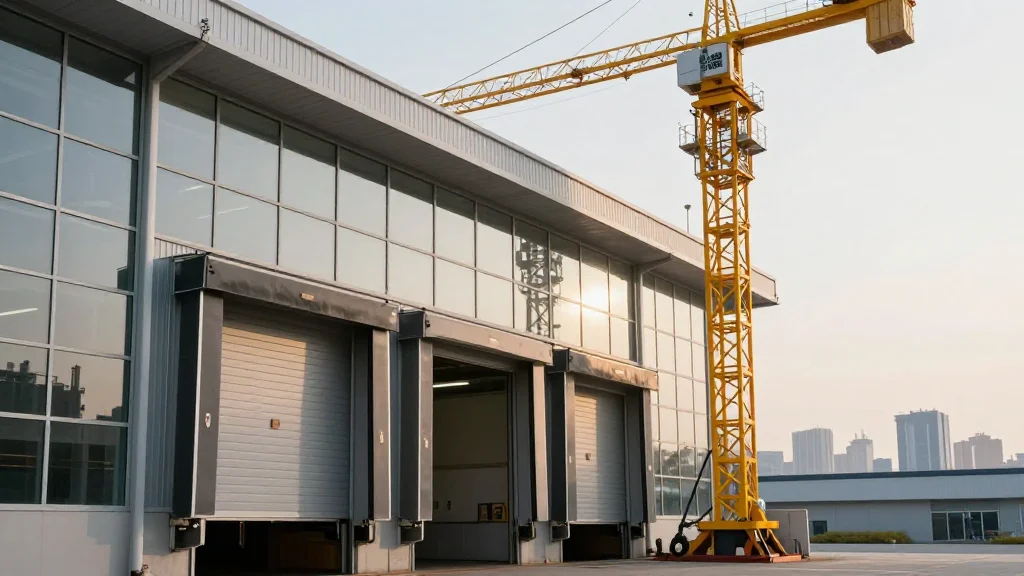
Industrial Real Estate Has Entered Its Fixer-Upper Phase
Companies Mentioned
Why It Matters
The shift creates high‑yield, low‑risk opportunities for investors and reinforces industrial real estate as the fastest‑growing asset class, while supporting supply‑chain resilience amid macro uncertainty.
Key Takeaways
- •Vacancy fell to 7.5%; rents climbing just under 1% monthly.
- •Q1 investment volume rose 36.6% to $28.6 billion.
- •“Bomb” warehouses >1M sf dropped from 50 to 25 in 12 months.
- •Top‑quartile submarkets could see 30% rent growth in five years.
- •Mid‑size assets in secondary markets attract value‑add investors.
Pulse Analysis
The industrial property market is undergoing a structural reset after the post‑COVID construction boom left a surplus of low‑quality space. With vacancy now hovering around 7.5% and new supply at its lowest quarterly level since 2017, landlords have regained pricing power. Tenants are gravitating toward newer, higher‑spec warehouses that can accommodate automation, robotics, and increased power demands, prompting a flight to quality that mirrors trends in premium office sectors. This environment sets the stage for value‑add investors to acquire under‑performing assets and reposition them for higher rents.
Capital is flowing back into the sector at a rapid clip. First‑quarter investment reached $28.6 billion, a 36.6% year‑over‑year jump, while leasing activity surged 18% YoY, driven largely by new space. Analysts at BGO use machine‑learning models across roughly 2,500 submarkets, flagging a top‑quartile rent growth potential of up to 30% over five years. Such data‑driven insights are sharpening investors’ ability to target high‑return pockets, especially in secondary and tertiary markets where midsize assets remain under‑utilized. The decline of "bomb" warehouses—from 50 to 25 units—further concentrates demand on modern, flexible facilities.
For tenants, the shift translates into more strategic location choices and the ability to consolidate operations in premium spaces that support advanced manufacturing, cold‑storage, and data‑center logistics. Federal incentives like 100% bonus depreciation for manufacturing equipment have lowered the cost of retrofitting warehouses for automation, accelerating the upgrade cycle. As reshoring and chip‑fabrication projects expand in regions such as Ohio and Texas, the demand for power‑rich, high‑clearance warehouses will keep pressure on supply, reinforcing the sector’s resilience even if broader economic headlines appear volatile. The combined forces of tighter supply, rising rents, and technology‑driven tenant needs suggest industrial real estate will continue to outpace other property classes in the near term.
Industrial Real Estate Has Entered Its Fixer-Upper Phase
Comments
Want to join the conversation?
Loading comments...