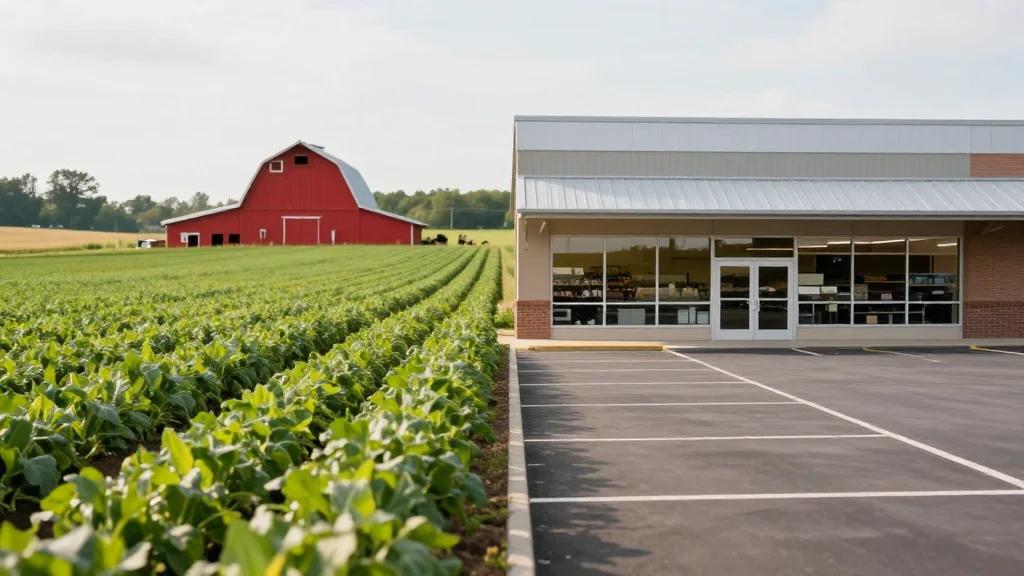
Ingles Markets’ Real Estate Grabs Attention in Proxy Fight
Why It Matters
The vote will determine whether Ingles pursues a potentially value‑destructive split or retains a real‑estate‑centric model, influencing shareholder returns and industry best practices for asset ownership.
Key Takeaways
- •Summer Road holds ~3% of Ingles Class A shares, pushing board nominee
- •Activist alleges hundreds of acres sit idle, hurting shareholder returns
- •Ingles says land ownership provides growth flexibility and $30 M rental income
- •Proposed split could trigger sale‑leaseback, potentially destroying profitability
- •Grocery sector debate intensifies over owning vs leasing store real estate
Pulse Analysis
The proxy contest at Ingles Markets highlights a classic clash between activist investors and incumbent management over asset utilization. Summer Road’s nominee, Rory Held, is leveraging a modest 3% stake to argue that the chain’s extensive land bank—much of it acquired from former competitors—remains under‑leveraged, eroding earnings per share. By urging a split of the grocery operation from its real‑estate arm, the activist hopes to unlock a valuation premium and attract interest from larger retailers, a strategy that could reshape the company’s capital structure if approved.
Ingles counters that owning the land on which 174 of its 194 stores sit provides a competitive edge. The firm points to $30 million in gross rent from third‑party tenants and the ability to reconfigure store layouts quickly in response to shifting consumer preferences. Compared with peers, Ingles’ ownership rate sits between Walmart’s near‑total ownership and Kroger’s roughly 50% stake, suggesting a middle‑ground approach that balances balance‑sheet strength with operational agility. The company argues that a forced sale‑leaseback would replace asset‑based cash flow with rent expenses, compressing margins and harming employee compensation.
The broader grocery sector is watching closely, as the decision could set a precedent for how retailers allocate capital between store operations and property assets. Ownership offers long‑term control and potential upside from rising land values, but ties up cash that might otherwise fund technology, supply‑chain upgrades, or store expansions. Conversely, leasing can free capital but introduces lease‑renewal risk and dependence on third‑party landlords. Investors will weigh these trade‑offs when assessing Ingles and similar chains, making the proxy outcome a bellwether for real‑estate strategy across the industry.
Ingles Markets’ real estate grabs attention in proxy fight
Comments
Want to join the conversation?
Loading comments...