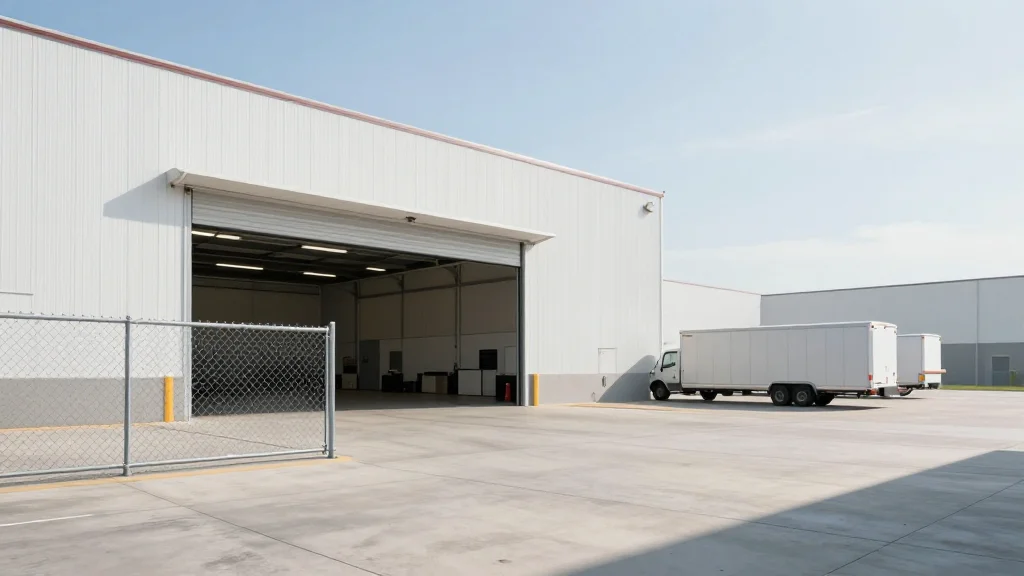
Inland Empire Industrial Slump Deepens, But Brokers Say Rebound May Be Near
Why It Matters
The shift from a supply‑driven surplus to rising demand signals a potential market inflection, affecting investors, developers, and tenants across the West Coast logistics corridor.
Key Takeaways
- •Vacancy hit 7.8% Q1, about 53.6 M SF empty
- •Leasing volume jumped 45.5% QoQ to 22.3 M SF
- •New construction pipeline fell to 102 K SF, down from 2 M SF
- •Average rent stayed near $1.00 per SF across IE
- •Brokers anticipate market inflection as pipeline dries and leasing rises
Pulse Analysis
The Inland Empire’s industrial market has entered a pronounced correction phase, with vacancy climbing to 7.8% and roughly 53.6 million square feet sitting idle. This reflects a broader West Coast trend where older, oversized facilities are being vacated as tenants consolidate or relocate. While national industrial absorption is turning positive, the region’s vacancy remains elevated due to the timing of lease expirations and a lag in new supply. Rents have softened to an average of $1.00 per square foot, a level that has persisted for three years, prompting landlords to reassess pricing strategies.
Against this backdrop, leasing momentum surged dramatically in Q1. Total leasing activity reached 22.3 million square feet, a 45.5% increase from the previous quarter and a 21.9% year‑over‑year gain. Third‑party logistics operators accounted for about half of the new deals, while automotive‑related firms, such as tire manufacturers, added significant demand. The surge in new leases, particularly the 13.6 million square feet of fresh commitments, suggests that tenants are capitalizing on lower rates and the availability of large, vacant blocks. Simultaneously, the pipeline of new construction has contracted sharply, with only 102 K SF completed in Q1 versus nearly 2 million SF a year earlier, reducing the risk of further vacancy inflation.
Industry analysts now view the market as approaching an inflection point. With the supply pipeline drying up and leasing activity accelerating, vacancy pressures may ease, setting the stage for a modest rent recovery. Investors should monitor the balance between dwindling new inventory and the pace of tenant absorption, as the next quarter could signal the start of a rebound that reshapes the logistics landscape of Southern California.
Inland Empire Industrial Slump Deepens, But Brokers Say Rebound May Be Near
Comments
Want to join the conversation?
Loading comments...