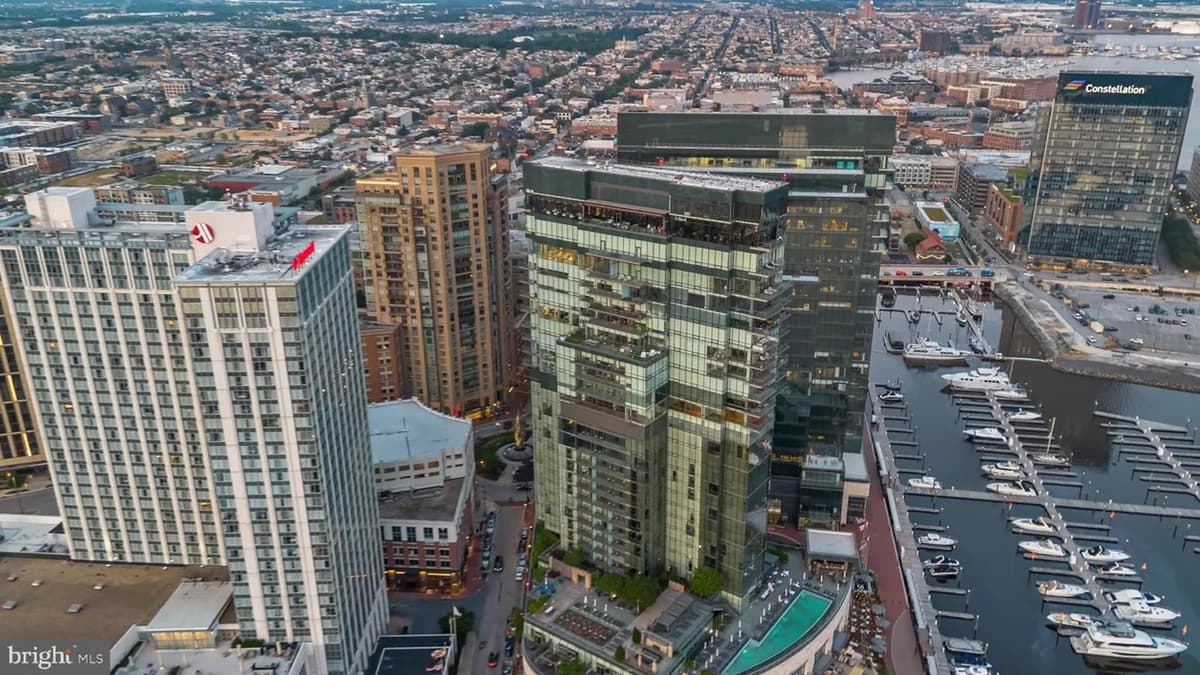
Investor Lawsuit Accuses Baltimore Luxury Condo Developer of Inflating Sales Prices
Why It Matters
If proven, the alleged price manipulation could undermine confidence in luxury condo disclosures and expose investors to hidden valuation risks, prompting tighter regulatory scrutiny in real‑estate transactions.
Key Takeaways
- •Investors claim developer inflated sale prices with $100K+ seller credits.
- •Eleven units bought by three investors now appear overvalued.
- •One-third of the 62‑unit condo tower remains unsold after a decade.
- •Developer filed a motion to dismiss; discovery currently paused.
Pulse Analysis
Baltimore’s Four Seasons Private Residences, a 62‑unit luxury condo perched atop a 29‑story hotel, has become the focus of a high‑stakes lawsuit that underscores the fragility of upscale real‑estate markets in secondary cities. The development, originally envisioned as a 150‑unit tower, was scaled back after the Great Recession and has struggled to attract affluent buyers amid the city’s lingering reputation challenges. The plaintiffs—three local investors who acquired 11 units through a network of LLCs—assert that the developer used unusually large seller credits, effectively inflating publicly reported sale prices while the actual transaction amounts were far lower. This alleged practice not only misleads prospective buyers but also skews market data that lenders, appraisers, and regulators rely on for risk assessment.
The core of the complaint centers on a specific transaction where a unit listed at nearly $590,000 reportedly included more than $100,000 in seller credits, reducing the true sale price to roughly $480,000. By keeping the higher figure on public records, the developer could create an illusion of robust demand and higher asset values, potentially influencing financing terms and resale expectations. The investors further allege that they were not informed of chronic plumbing problems that have caused sewage backups, compounding the financial strain of overvalued units and steep monthly fees. While the developer’s counsel has dismissed the claims as meritless and moved to dismiss the case, the court’s decision on the motion will set a precedent for how aggressively such pricing tactics can be challenged.
Beyond the immediate parties, the case raises broader questions about transparency in condominium sales, especially in markets where luxury projects are few and data points limited. If courts find that seller credits were used to misrepresent sale prices, lenders may tighten underwriting standards for similar developments, and buyers could demand more granular disclosure of post‑inspection concessions. For Baltimore, a city still battling perceptions of economic distress, the outcome could influence future investment in high‑end residential projects and shape regulatory approaches to ensure that public records reflect true market conditions.
Investor Lawsuit Accuses Baltimore Luxury Condo Developer of Inflating Sales Prices
Comments
Want to join the conversation?
Loading comments...