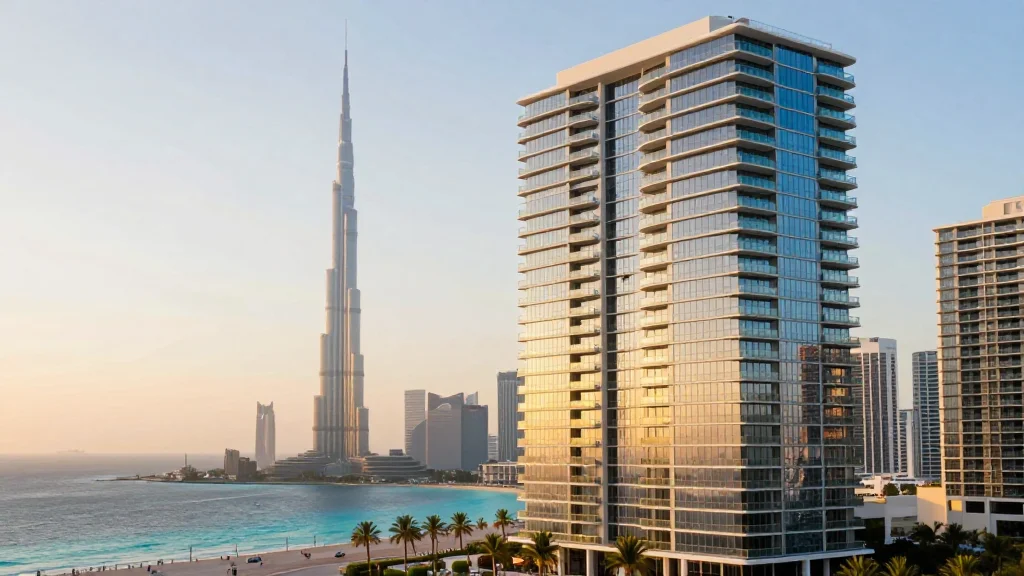
Iran War Hit To Dubai Condo Market 'Good For Miami,' Developers Say
Companies Mentioned
Why It Matters
The geopolitical shock is redirecting high‑net‑worth capital from Dubai to Miami, reshaping global luxury‑condo demand and offering U.S. developers a competitive edge. This realignment could spur further investment in Miami’s construction pipeline and alter international buyer dynamics.
Key Takeaways
- •Iran drone strikes dampen Dubai condo demand, boosting Miami interest
- •Miami condo closings rose 5.5% YoY in Q1 2026
- •European buyers shifting from Dubai back to Miami, citing stability
- •Dubai sales up 26% YoY, but slowed after conflict began
- •Short‑term rental projects drive new Miami condo supply
Pulse Analysis
The latest flare‑up between Iran and the U.S.-Israel alliance has sent ripples through the global luxury‑condo market. Dubai, long‑standing a magnet for affluent foreign investors, suffered a perceptible hit after Iranian drones targeted high‑profile residential towers. Even though the emirate posted a 26% year‑over‑year sales jump and over $10 billion in transactions in Q1, the conflict introduced heightened geopolitical risk, prompting cautious investors to reassess exposure to the Gulf’s real‑estate sector.
Meanwhile, Miami is capitalizing on the shift. The city recorded a 5.5% increase in condo closings in the first three months of 2026, the strongest pace since August 2024. Savills data shows Miami now ranks as the world’s second‑largest branded‑condo market, with 48 completed projects and 55 planned, rivaling Dubai’s 64 completed and 87 pipeline units. European buyers, who had migrated to Dubai amid earlier market optimism, are returning to Miami, attracted by the United States’ perceived financial stability and the safety of its legal framework. Developers such as Rilea Group and Urban Network Capital are already seeing upticks in Turkish and European inquiries, especially for short‑term‑rental‑friendly projects like The Rider Residences and Elle Residences.
For developers, the emerging trend signals a strategic pivot. With construction pipelines robust—Miami’s branded‑condo starts grew 19% from 2024 to 2025—developers can leverage the influx of foreign capital to accelerate supply, particularly in high‑density, short‑term rental segments. Investors should monitor macro‑economic variables, including oil price volatility and inflationary pressures, which could further influence buyer sentiment. If geopolitical tensions persist, Miami’s market may continue to outpace Dubai, reshaping the global hierarchy of luxury condo destinations.
Iran War Hit To Dubai Condo Market 'Good For Miami,' Developers Say
Comments
Want to join the conversation?
Loading comments...