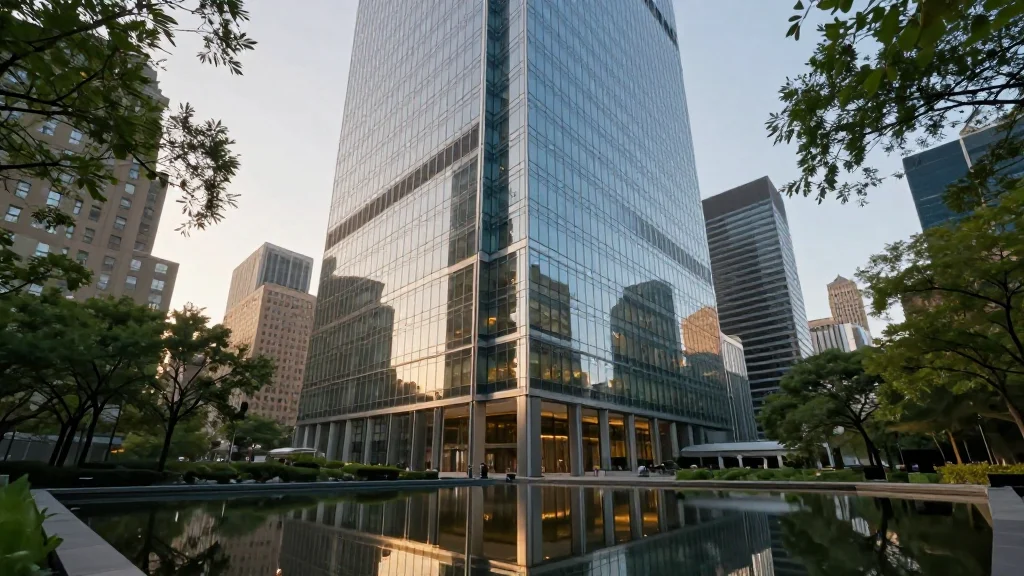
Iranian Government-Linked Fifth Avenue Office Transfers In $435M Deal: This Week's N.Y. Deal Sheet
Why It Matters
The deal demonstrates how U.S. authorities can leverage high‑value real‑estate assets to enforce sanctions and compensate terrorism victims, setting a precedent for future asset‑forfeiture settlements.
Key Takeaways
- •$435M transfer settles part of terrorism victims claim
- •Amir Kabir Foundation financed purchase with $189M structured mortgage
- •Mortgage carries 7% rate, 3% deferrable, 4% payable
- •Building yields rental income to fund $318M settlement
- •Deal underscores U.S. enforcement of Iranian sanctions
Pulse Analysis
The 650 Fifth Avenue tower sits at the intersection of geopolitics and New York real‑estate, having been tied to the Alavi Foundation—an organization historically linked to Iran’s former royal family—and Assa Corp, identified by the Treasury as a front for Bank Melli. After a 2017 jury authorized seizure of the asset, an appeals court reversed the ruling, prompting a negotiated settlement overseen by the New York State Attorney General. This legal backdrop illustrates the complexity of untangling foreign‑government‑linked holdings in the United States, especially when sanctions and terrorism‑related claims converge.
The transaction’s financial architecture is equally intricate. Amir Kabir Foundation acquired the property for $435 million, funding $189 million through a structured mortgage issued by Alavi. The loan carries a 7% annual interest rate, with 3% of interest deferrable and the remaining 4% payable over a three‑year term unless the foundation refinances early. Rental income, frozen during the forfeiture process, will be tapped to satisfy a $318 million settlement that compensates private judgment creditors holding claims against Iran as a state sponsor of terrorism. The arrangement allows the foundation to retain ownership while ensuring a reliable cash flow for victims.
Beyond the immediate settlement, the deal signals a broader shift in how U.S. authorities can monetize foreign‑linked assets to enforce sanctions and resolve litigation. By converting a high‑profile office tower into a revenue‑generating vehicle for judgment payments, regulators demonstrate a pragmatic approach that balances legal constraints with victim compensation. The transaction also adds a premium asset to New York’s office market, where net‑lease arrangements—such as Nike’s presence—provide stable returns. Investors and developers will watch this precedent closely, as it may pave the way for similar asset‑forfeiture strategies in other sanction‑heavy contexts.
Iranian Government-Linked Fifth Avenue Office Transfers In $435M Deal: This Week's N.Y. Deal Sheet
Comments
Want to join the conversation?
Loading comments...