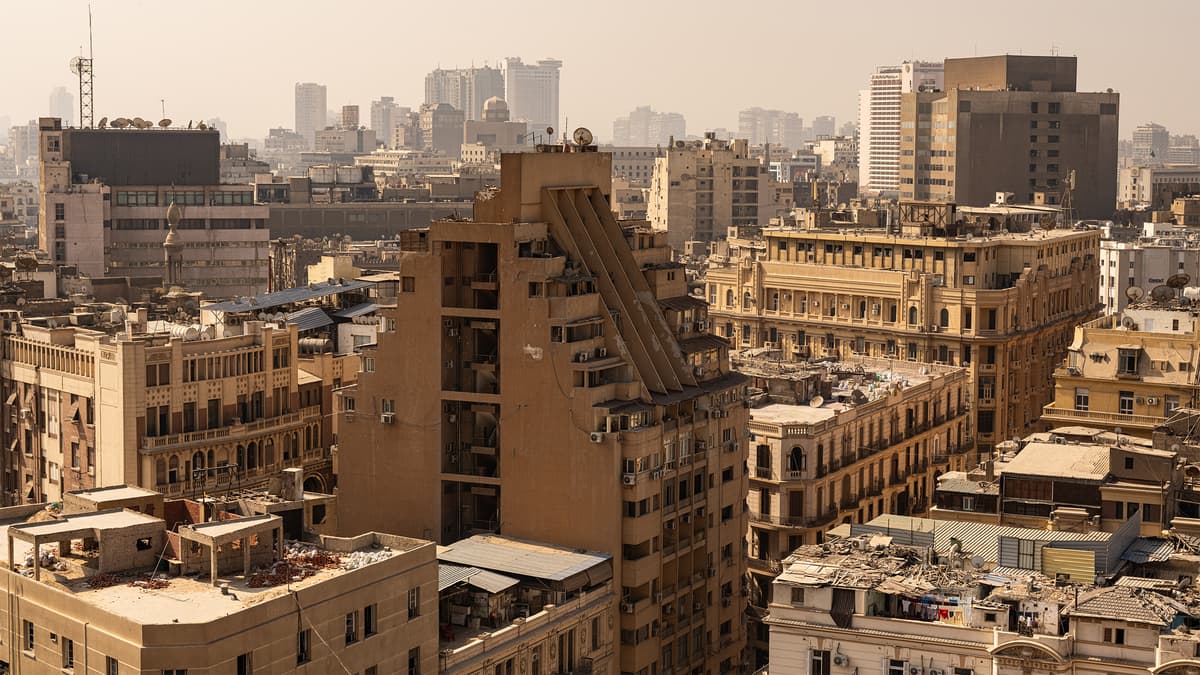
Is the Reinvention of Downtown Cairo Egypt’s Most Controversial Comeback?
Why It Matters
The redevelopment could reshape Cairo’s cultural heart, driving economic growth while risking displacement of historic communities, making the balance between investment and heritage preservation critical for Egypt’s urban future.
Key Takeaways
- •Al Ismaelia has renovated dozens of downtown Cairo properties since 2008
- •Legal reforms ending rent controls open market to domestic and foreign investors
- •Renovations spark gentrification fears among long‑time shop owners and artists
- •New co‑working spaces, boutique hotels, and designer shops showcase “Made in Egypt”
- •Community leaders call for rent caps and funds to protect local artisans
Pulse Analysis
Cairo’s downtown, once the glittering showcase of 19th‑century modernization, is now a laboratory for urban renewal. Investors like Al Ismaelia are leveraging Egypt’s new property‑law reforms to convert crumbling Belle Époque façades into co‑working hubs, boutique hotels and high‑end retail. This influx of capital aligns with the government’s broader push to diversify the economy beyond mega‑projects such as the new administrative capital, positioning the historic quarter as a magnet for creative industries and tourism. The shift also reflects a growing appetite among affluent Egyptians for locally‑made design and cultural experiences, reinforcing a "Made in Egypt" narrative that blends heritage with contemporary lifestyle.
However, the rapid upscale conversion raises concerns about social displacement. Decades‑old rent‑control agreements have been dismantled, allowing market‑rate leases that could price out family‑run tailors, bookshops and long‑standing cafés. Residents and artists warn that without protective measures, the district’s eclectic social mix—once a hallmark of its identity—may erode into a homogenized luxury enclave. Proposals such as rent caps, heritage‑preservation funds and community‑ownership models are emerging as potential buffers, aiming to retain the organic vibrancy that has defined the area for generations.
The downtown revival mirrors global debates on gentrification, where economic revitalization must be weighed against cultural continuity. For investors, the opportunity lies in capitalizing on a market hungry for authentic yet modern experiences; for policymakers, the challenge is to craft regulations that safeguard the district’s architectural legacy and social fabric. If managed thoughtfully, Cairo’s wust al‑balad could become a blueprint for sustainable urban regeneration in the Middle East, marrying profit with preservation and ensuring the city’s historic soul endures amid change.
Is the reinvention of downtown Cairo Egypt’s most controversial comeback?
Comments
Want to join the conversation?
Loading comments...