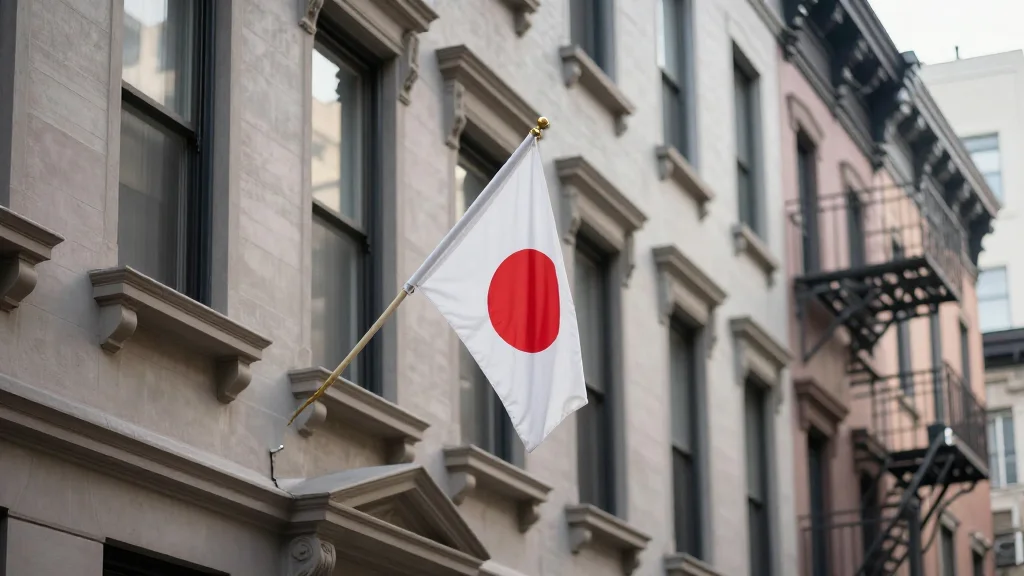
Japanese Investors Lead $2.1B Surge in NYC Multifamily Purchases

Why It Matters
The rapid rise of Japanese capital in New York’s multifamily market signals a broader reallocation of foreign investment toward asset classes that deliver higher yields and tax efficiencies. By targeting walk‑up buildings, Japanese firms are not only stabilizing a segment that had suffered from underinvestment but also tightening competition for mid‑tier housing, which could translate into higher rents and reduced affordability for tenants. The trend also reshapes the geopolitical flow of capital, reducing the influence of traditional players such as China and Europe. This realignment may prompt local developers and lenders to tailor financing structures and partnership models to accommodate Japanese investors’ preferences, potentially altering the city’s development pipeline for years to come.
Key Takeaways
- •Japanese investors have bought at least $2.1 billion of NYC property since Jan 2024.
- •326 multifamily units were acquired for $233 million, mainly in the $5‑$15 million range.
- •Cap rates in New York (~5%) are markedly higher than Japan’s 10‑year Treasury yield (~2.4%).
- •Accelerated depreciation of older wood‑frame buildings in Japan creates a tax shelter for U.S. assets.
- •90%+ of recent foreign multifamily purchases in NYC are attributed to Japanese buyers.
Pulse Analysis
Japanese capital’s pivot to New York’s multifamily sector reflects a disciplined search for yield in a low‑interest‑rate environment at home. The combination of higher U.S. cap rates, cheap domestic financing, and a tax code that rewards rapid depreciation creates a perfect storm for Japanese firms to outcompete other foreign buyers. Historically, foreign investment in NYC has been cyclical, with Chinese capital dominating the early 2010s and European funds filling gaps thereafter. The current Japanese wave is distinct because it targets a less glamorous but more cash‑flow‑stable asset class, suggesting a longer‑term strategic posture rather than a speculative sprint.
From a market‑structure perspective, the influx is likely to compress spreads on walk‑up deals, forcing local owners to either upgrade properties to meet Japanese standards or accept lower valuations. This could spur a wave of modest renovations, improving building quality but also raising operating costs. Moreover, the tax advantage that fuels Japanese demand may attract policy attention; any amendment to depreciation rules could quickly alter the economics and dampen the buying frenzy.
Looking forward, the sustainability of this trend hinges on three variables: Japanese domestic monetary policy, U.S. tax treatment of accelerated depreciation, and the ability of other foreign investors to re‑enter the market with competitive financing. If any of these factors shift, we could see a rebalancing of foreign capital flows, potentially reopening opportunities for domestic developers and smaller institutional investors. For now, Japanese investors have become the de‑facto liquidity providers for New York’s aging multifamily stock, a role that will shape pricing, development, and tenant outcomes for the foreseeable future.
Japanese Investors Lead $2.1B Surge in NYC Multifamily Purchases
Comments
Want to join the conversation?
Loading comments...